
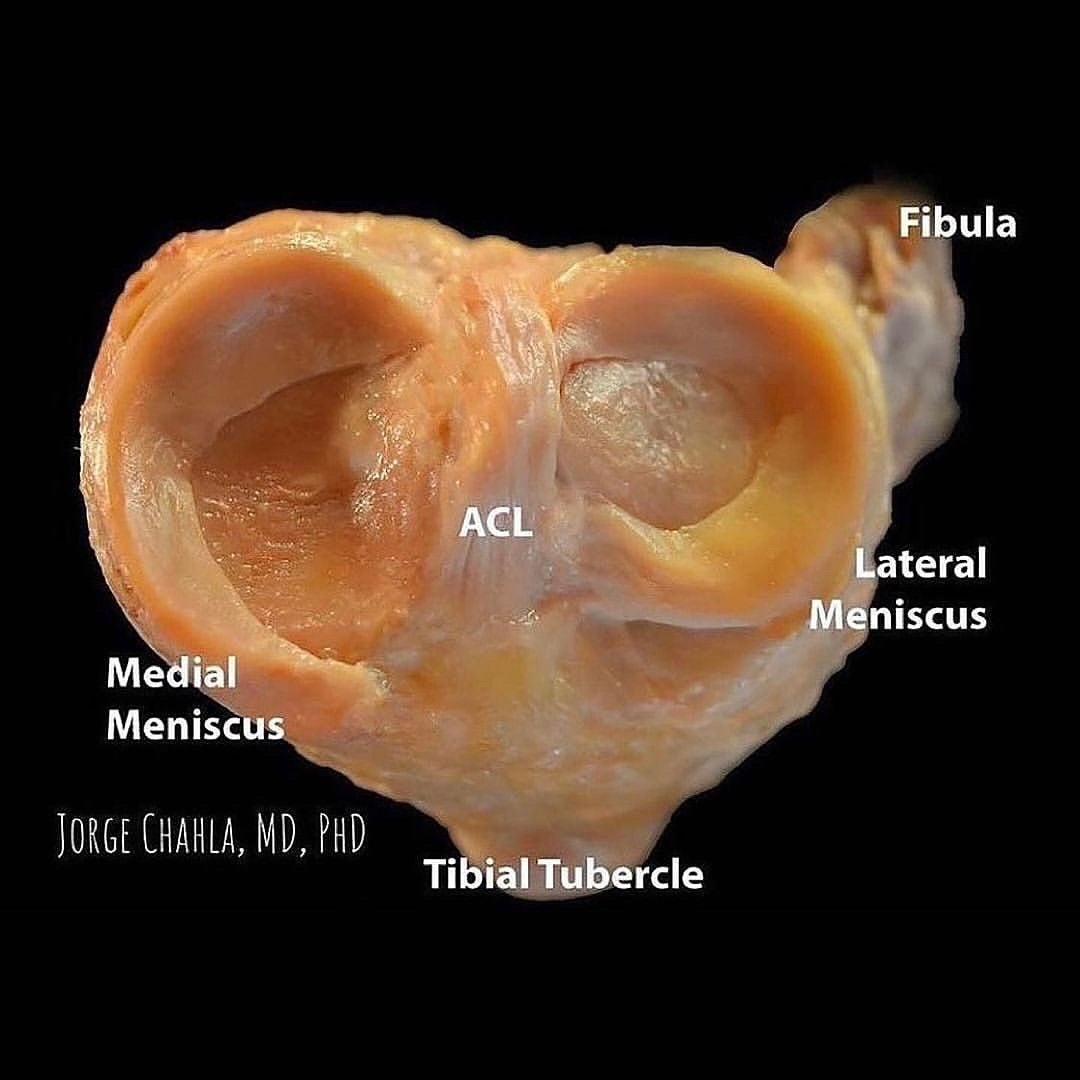

The knee joint contains a lateral and medial meniscus, which act as shock absorbers and force transducers. The menisci possess a slight concavity, which improves the fit between the femur and tibia and enhances overall joint stability.
Meniscus injuries can be traumatic or degenerative in nature and are more common in athletes that participate in sports that involve twisting on a planted foot (soccer, basketball, volleyball, etc).
Symptoms associated with a meniscus injury are usually reported as knee pain, catching, locking, buckling of the knee or any combination of these symptoms.
It should also be noted that a large percentage of the asymptomatic population have meniscus tears on MRI and experience no symptoms. So, don’t immediately get worried if you see evidence of meniscus changes on an MRI. Instead, focus on improving your level of function and reducing pain. Many meniscus issues can be resolved with non-surgical care.