Here is a link for our next office hours session. Please click the link to RSVP, so that I know you are planning to attend.

Here is a link for our next office hours session. Please click the link to RSVP, so that I know you are planning to attend.
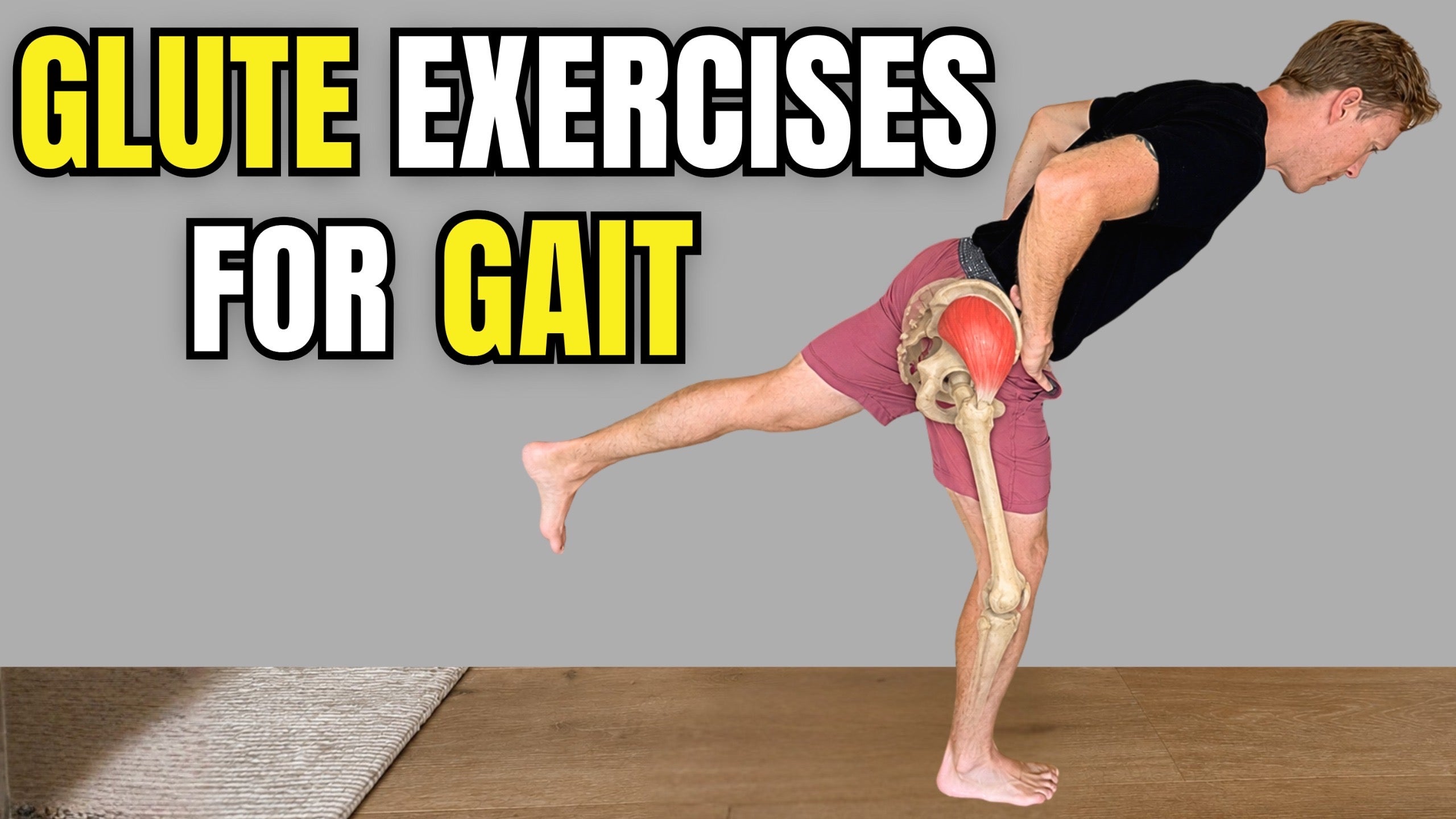
Hey everyone! I published a new video this morning on glute exercises that can help reduce pain and improve gait mechanics. Here is a link for the video.
👉Did you know that most (66.66%) disc herniations reabsorb with time and conservative care.
🧬The images in this post are from a case report from the New England Journal of Medicine (see reference) that documents the spontaneous resorption of a disc herniation without surgery.
🔎Case Study: A 29-year-old woman presented to the spine clinic with new-onset pain in her right leg, accompanied by paresthesia. MRI of the lumbar spine revealed a lumbar disc herniation resulting in substantial spinal stenosis and nerve-root compression (first image).
📗She elected conservative treatment with physical therapy and an epidural injection of glucocorticoids. A second MRI obtained at follow-up 5 months after presentation showed resolution of the herniation (second image). Her clinical symptoms resolved, and she was discharged from the clinic.
🧠The details of this individual’s rehab were not given in the case study, but it is important to know that relatively simple programs that include movements like walking, general low back mobility drills and low-load resistance training exercises help the majority of people.
✅A program for disc herniations can be found in the back and spine section here in the app.
📘References:
1. Hong J and Ball PA. Resolution of Lumbar Disk Herniation without Surgery. N Engl J Med. 2016.
2. Zhong M, et al. Incidence of Spontaneous Resorption of Lumbar Disc Herniation: A Meta-Analysis. Pain Physician. 2017.
3. Chiu C, et al. The probability of spontaneous regression of lumbar herniated disc: a systematic review. Clin Rehabil. 2015.
👉The rhomboid and trapezius muscles are located between the spine and shoulder blades and play a role in neck, back and shoulder movement health.
🔎Today’s post shows how the rhomboids (left side) and trapezius (right side) can work to pull the scapula (shoulder blade) backwards (retraction) toward the spine.
🧠Pain in this intrascapular region is quite common and can be associated with the muscles in the region, the underlying thoracic and rib joints, or can be referred from the neck.
✅If you are experiencing pain in this region, I would recommend implementing the exercises in the thoracic pain program here in the app. Here is a link for the program.
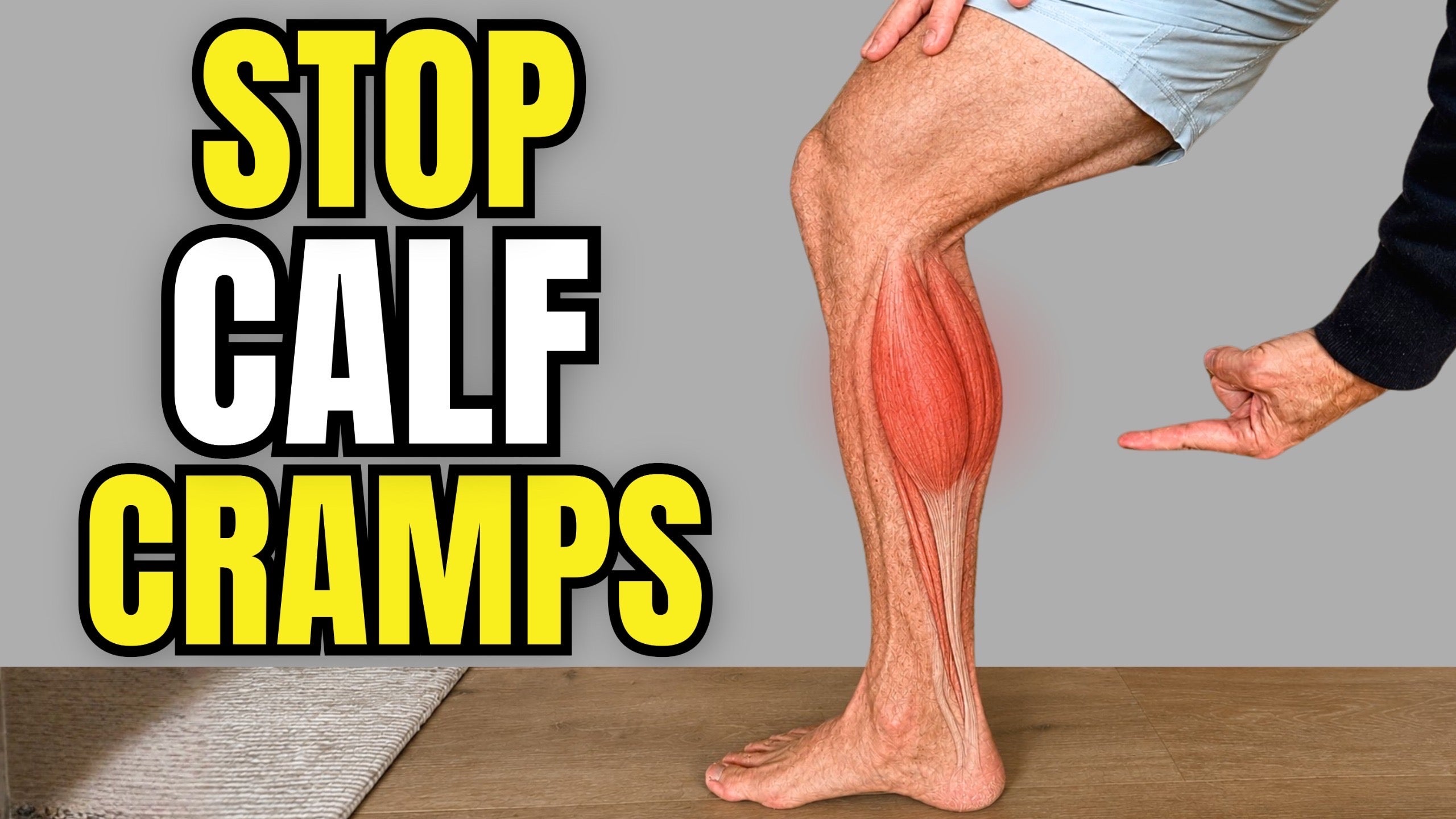
Hey everyone, a new video on exercises to help reduce calf cramps is available!
📚The anterior compartment of the forearm contains the wrist and finger flexors, which are responsible for flexing the wrist and providing grip strength.
🧠Soft tissue mobilization (massage) of these muscles is often implemented in physical therapy and can help with conditions like golfer’s elbow (medial epicondylalgia), carpal tunnel syndrome and various wrist pain issues.
🔎To mobilize these muscles, work from the distal forearm toward the inside of the elbow (medial epicondyle). Starting all the way down at the wrist usually isn’t necessary or comfortable as the majority of the muscle is located more proximally.
✅The app includes a comprehensive golfer’s elbow program that shows how to perform these types of soft tissue mobilizations on yourself. Visit the elbow section to find this program.
📚The suboccipital muscles are a small but incredibly important group of muscles located at the base of the skull. These four muscles connect the upper cervical spine (C1 and C2) to the occiput and help control the fine movements of the head and neck.
🔎Their primary roles include subtle head rotation, extension, and stabilization, but they also contain a very high density of sensory receptors. This means they play a major role in proprioception, balance, eye movement coordination, and helping your brain understand where your head is positioned in space.
👉The four suboccipital muscles include:
• Rectus capitis posterior major
• Rectus capitis posterior minor
• Obliquus capitis superior
• Obliquus capitis inferior
🧠Because these muscles work constantly to stabilize the head, they can become overactive or sensitive with prolonged screen time, stress, forward head posture, headaches, or neck injuries. Tightness and irritation in this region are commonly associated with cervicogenic headaches and upper neck pain.
✅Improving upper cervical mobility, posture awareness, breathing mechanics, and deep neck muscle function can often help reduce excessive strain in this area.
📚Shoulder abduction isn’t just the arm lifting out to the side, it’s a coordinated effort across multiple joints.
🔎The movement starts at the glenohumeral joint, where the supraspinatus initiates abduction and the deltoid drives it. At the same time, the rotator cuff stabilizes the humeral head to prevent excessive upward movement.
🧠As the arm continues upward, the scapula joins in. This creates the classic 2:1 rhythm, meaning for every 3° of motion, 2° comes from the shoulder joint and 1° from the scapula.
👉This scapular motion is controlled by the trapezius and serratus anterior, helping rotate the scapula upward and clear space for the arm to move overhead.
✅Smooth shoulder motion is less about one muscle and more about how everything works together.
Hi everyone, here is the replay from today's office hours session. I hope you find it to be helpful!
Hi everyone, our next office hours session will be this Wednesday at 9am PT. Here is a link to RSVP. I hope to see you there!