Hi everyone,
I will be hosting an office hours session this Friday morning at 10:30am PT. If you are on planning to join, please RSVP at the link below.


Hi everyone,
I will be hosting an office hours session this Friday morning at 10:30am PT. If you are on planning to join, please RSVP at the link below.
Hi everyone, I hope you are having a great weekend so far!
If you have any downtime, I posted a new podcast here in the app. In this episode, I interview, chiropractor, physical therapist, and pain specialist, Greg Lehman. Greg is an expert in terms of the intersection between pain and biomechanics and helping people better understand how to treat pain. I hope you enjoy this episode and find the information to be helpful!

Hello Doctor Tom and Everyone,
I am new member (41 year old) who joined only today. I am in a chronic nerve related issue along with possibly strength and stability issue since last 18 months. While taking membership I saw option to interact with Doctor Tom and I thought I can explain my situation and get some personalised recommendations. How can I do that? Please please help!
Few key details:
1. Returned to Gym after 10 years in Jan 2025.
2. Started having inside knee pain on left knee which continued to become very sharp pain on pressing and could not stand or walk more than 5min. Burning feeling at night when in bed around inside of knee. Waited for it to heel for 2 months and situation only became worse.
3. Also had discomfort and inflammation kind of pain around L2 or L1 in back whenever I lied down in bed on my back. But ignored this symptom.
3. Did Xray and Ultra sound with no findings.
4. After 4months did MRI for possible Menicus tear and no findings.
5. Dealt with that for 14 months untill April this year and suddenly problem went away and started to appear in right knee. Not the same level but similar. Thats when I started to realize it is possibly nerve related.
6. Walking and standing became better around 30 min now.
7. Started getting burning feeling in right knee since April this year.
8. Started getting outside ankle sudden burning /hot feeling for may be 10 seconds on left leg few times a day since this month.
9. Started last two weeks with right hip burning / hot feeling while sitting for more than 5 min.
10. Started feeling groin burning / hot on both leg while sitting for more than 30 min.
11. Still have that L1 and L2 area discomfornt and inflammation kind of pain while lying on back.
Please suggest a path forward.
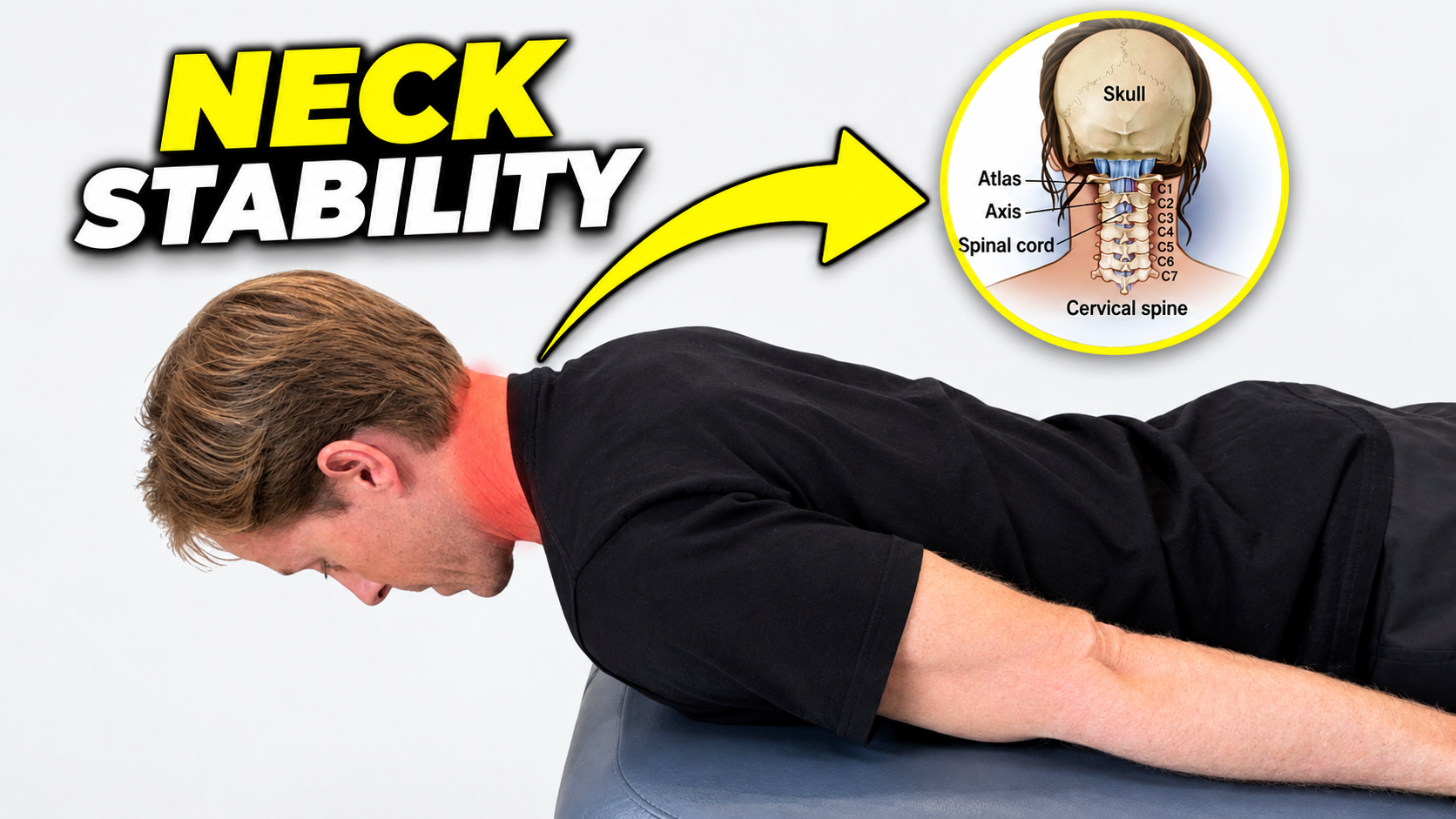
Hi everyone! A new neck stability video is available here in the app. The three exercises in this video can help if you have neck pain or if you have suffered an injury in the past (car accident, sport injury) that has created spinal instability. Here is a link for this video.
📚Mobilization of the nervous system can often be a helpful strategy for reducing nerve-related pain. In this video series, I am demonstrating two techniques (straight leg raise and slump) for the sciatic nerve.
🔎Typically, the straight leg raise is used when symptoms are more acute (1-2 sets, 10-15 reps) and the slump is used when symptoms are becoming less severe.
🧠By moving in a specific pattern, neural mobilization is thought to help the nerve and its branches slide against adjacent tissues, increase blood flow and reduce symptoms.
✅A more comprehensive sciatica rehab program can be found in the low back section of the app. Here is a link you can use to access this program.
https://membership.rehabscience.com/programs/sciatica?category_id=259689
👉Today’s video shows the anatomy of a full-thickness rotator cuff tear with retraction—a more advanced injury pattern where the torn tendon pulls away from its normal attachment on the humeral head.
🔎Rotator cuff tears most commonly involve the supraspinatus tendon, but larger tears may extend into the infraspinatus or subscapularis, creating greater disruption in the force-couple mechanics that keep the humeral head centered during arm elevation.
🧠Some individuals with larger tears respond well to targeted loading programs that improve surrounding musculature and optimize shoulder mechanics, while others—depending on their tear size, symptoms, and goals—may require surgical consultation.
🔎Here’s a cool dynamic x-ray that shows the knee joint moving through flexion and extension.
🧠The knee or tibiofemoral joint normally moves from a fully extended position (0 degrees) or even a bit of hyperextension (-5 degrees) to a maximally flexed position of 135-145 degrees.
✅If you are struggling with limited knee mobility, I would recommend starting with the knee arthritis program here in the app. Here is a link for the program.
https://membership.rehabscience.com/programs/knee-osteoarthritis?category_id=258965
Hi everyone,
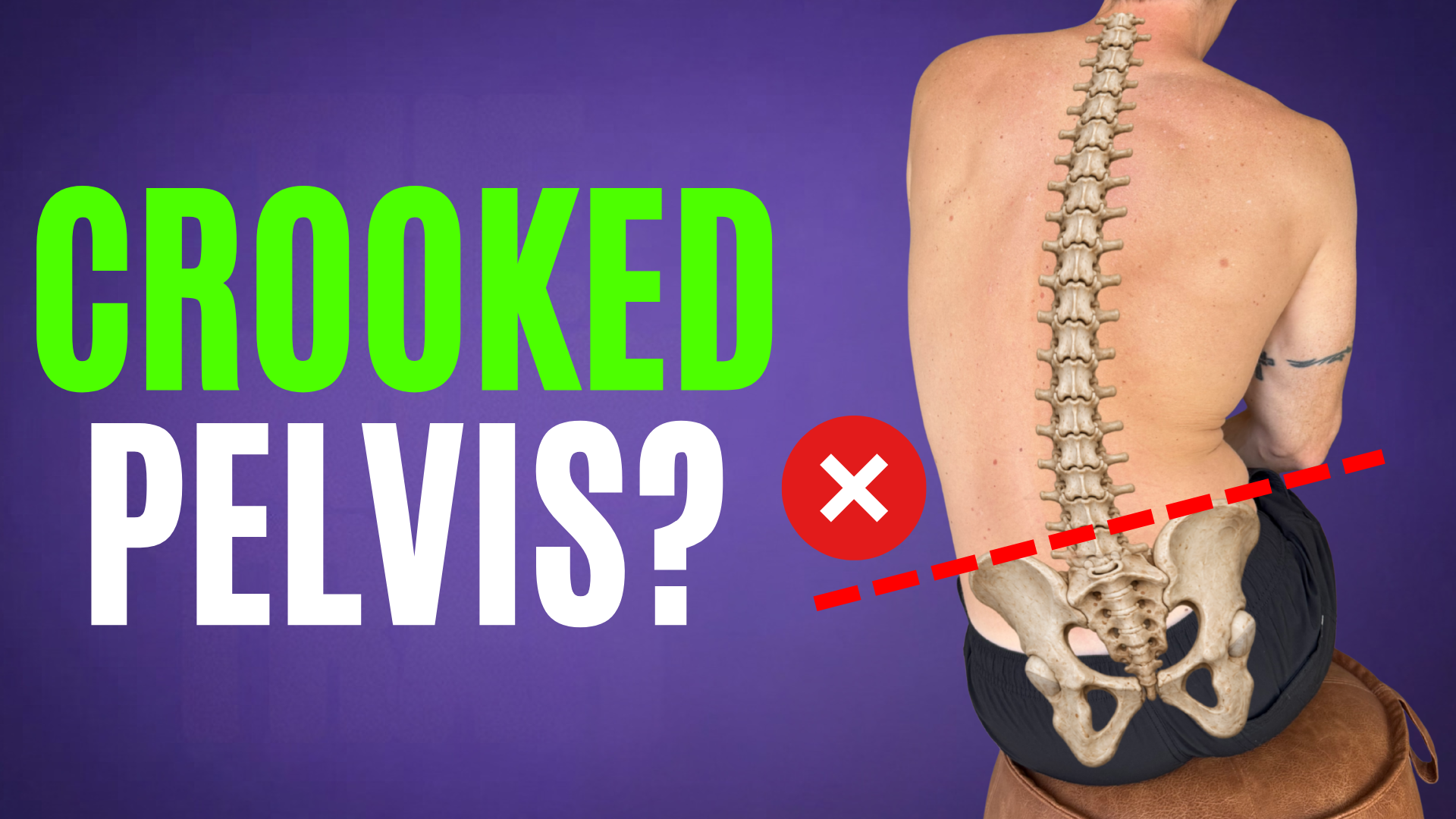
A new video on pelvic obliquity rehab is available. Here is a link for the video.
📚The quadratus lumborum or QL muscle is a low back muscle that runs from the iliac crest (top side of pelvis) to the 12th rib and the transverse processes (lateral projections) of the lumbar vertebrae.
🔎Discomfort in the QL region is observed in many cases of low back pain and is typically reproduced with palpation of the muscle between the 12th rib and pelvic crest.
🧠If you have pain in this region, give the massage technique in this video a try and let me know if you have any questions. As always, if you have pain that is either staying the same or worsening, make sure to see your local physical therapist.
✅The low back pain program here in the app will teach you mobilization techniques, stretches and strengthening exercises that can help reduce QL related back pain. Click the link below to open the low back pain program.
https://membership.rehabscience.com/programs/back-pain?category_id=259689
📚The anterior compartment of the forearm contains the muscles that flex the wrist and fingers and contribute to grip strength.
🧠Soft tissue mobilization (massage) of these muscles is commonly used in physical therapy to help manage symptoms associated with conditions such as medial elbow pain (golfer’s elbow) and some wrist and forearm disorders.
🔎For medial elbow pain, I typically work through the muscle bellies in the forearm rather than applying pressure directly to the medial epicondyle. Start in the distal-to-mid forearm and gradually work toward the inside of the elbow. Starting all the way down at the wrist usually isn’t necessary because most of the muscle tissue is located farther up the forearm.
👉Keep in mind that soft tissue mobilization is primarily a way to temporarily modulate symptoms and improve comfort with movement or exercise. It isn’t necessary to assume that massage is “breaking up” scar tissue or permanently changing the muscle.
✅The app both include a comprehensive golfer’s elbow program that demonstrates how to perform these types of soft tissue mobilizations on yourself, along with exercises designed to progressively build strength and capacity. Click the link below to access this program.
https://membership.rehabscience.com/programs/golfers-elbow?category_id=260466