Tom W.

Image for the badge Activation.
Activation earned for a 1-day streak!
Image for the badge Control.
Control earned for a 7-day streak!

Posted

26 Aug 14:15

Image from Tom W.'s post

Hey everyone,

Here is the replay from today's office hours session. We discussed supraspinatus injuries and how neck pain can contribute to shoulder dysfunction. I hope you find this discussion to be helpful!


https://membership.rehabscience.com/programs/office-hours-826-6af539?utm_source=product&utm_medium=share&utm_campaign=content_share&utm_term=4323104&utm_content=copy

Commented on post was deleted

25 Aug 10:14

Hi Chris,

Thanks for pointing this out. I wonder if it has something to do with how things are displaying on your device. I haven’t had anyone mention this issue to date. Can you try logging in on a computer and let me know what you see?

Thanks, Tom

24 Aug 19:44

Thank you, Chris! I’m so glad to hear that the app and programs have been helpful to you!

Posted

24 Aug 11:00

00:15

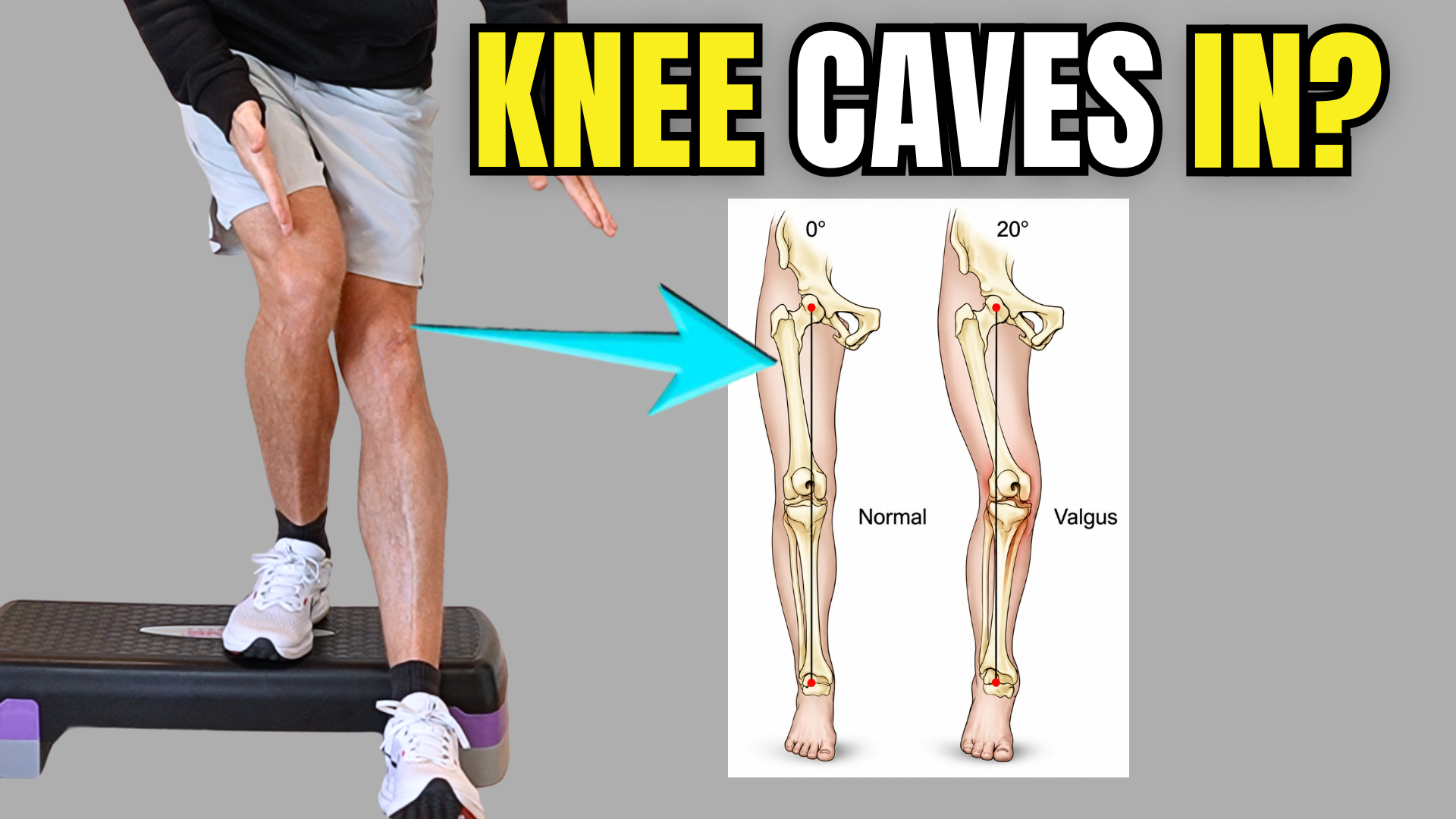
🔎The lateral step down can be useful both as an assessment of lower quarter control and as a prehab/rehab exercise.

🧠In the traditional test, the individual places their hands on their hips and stands at the edge of a 20cm step. Then, they bend the affected knee until the heel on the other limb contacts the floor. Finally, they return to the start position and perform a total of five repetitions.

👉Whether you are performing this as a test or an exercise, here are the items that would indicate a potential control issue:

1️⃣Arm Strategy: removal of hand from waist

2️⃣Trunk Alignment: leaning in any direction

3️⃣Pelvis: loss of horizontal plane

4️⃣Knee: center of tibia medial to 2nd toe

5️⃣Stance: patient steps onto non-test limb

✅If you want to test your control, simply have someone record your movement and review the results using the criteria above. If an issue is detected, this test can then be used as an exercise on your leg training day.

📚Reference: Rabin A, et al. Factors Associated With Visually-Assessed Quality of Movement During a Lateral Step Down Test Among Individuals With Patellofemoral Pain. Journal of Orthopaedic & Sports Physical Therapy. 2014.

Posted

21 Aug 18:13

Yes, they basically refer to the same thing. Genu valgum is a more general term for inward knee collapse where as dynamic valgus refers to situations where inward knee collapse is observed during movement.

Reply

20 Aug 13:36

For pain in the back of the shoulder, I would recommend following the shoulder pain/rotator cuff program. Here is a link for that program. 

https://membership.rehabscience.com/programs/shoulder-pain?category_id=259882

20 Aug 13:35

Hi Jorge, 

For tibialis posterior tendinitis, I would recommend implementing the exercises in the achilles pain program here in the app. Tibialis posterior is located in the posterior compartment of the lower leg along with the calf muscles, so the exercises in the calf and achilles program will also target tibialis posterior. Here is a link for that program.

https://membership.rehabscience.com/programs/achilles-tendinopathy?category_id=261017

19 Aug 08:48

Hi Erin, I would recommend starting at phase one of the ankle sprain program here in the app and working your way through that program. Here is a link for the program.

https://membership.rehabscience.com/programs/ankle-sprain?category_id=261017

Reply

18 Aug 12:49

Hi Erin, great question. If your pain is now under control, then I would recommend picking 3-4 strengthening exercises from the end of phase 3 or any of the exercises from phase 4 and performing them 2-4 times each week to help keep the area strong and healthy. If you are prone to tightness in your hips or low back, then you may also want to integrate a few of the mobility exercises from the earlier phases to help keep pain away.

Reply