Here is a great article on gluteal tendinopathy that refutes some of the common myths. I thought you might enjoy reading it as it has many practical takeaways.
https://www.sciencedirect.com/science/article/pii/S2468781225000013


Here is a great article on gluteal tendinopathy that refutes some of the common myths. I thought you might enjoy reading it as it has many practical takeaways.
https://www.sciencedirect.com/science/article/pii/S2468781225000013
Hi all, here is a recent study on low back pain and imaging that I thought you might find relevant to your own practices. I have included a link to the full-text study below my summary.
A recent qualitative study published in Musculoskeletal Science & Practice (Lullo G. et al., 2025) explored why patients with non‑specific chronic low back pain (cLBP) often request imaging even when it is not clinically indicated. Three primary themes emerged: (1) a strong desire to “know the cause” of their pain despite recognizing its multifactorial nature; (2) the perception that imaging is necessary when conservative treatments fail; and (3) imaging producing mixed outcomes—some feel reassured, others experience increased anxiety or misleading interpretations. The authors stress the importance of practitioner‑led patient education about the limitations of imaging and the value of movement‑based care.
Clinical Takeaways for Practitioners:
Avoid imaging for low back pain unless red flags are present—use history and exam to triage.
Explicitly discuss incidental findings with patients to prevent structural‑deficit thinking and unnecessary interventions.
Emphasize movement, load progression, and functional recovery to shift focus away from imaging and toward active rehabilitation.
Hi everyone,
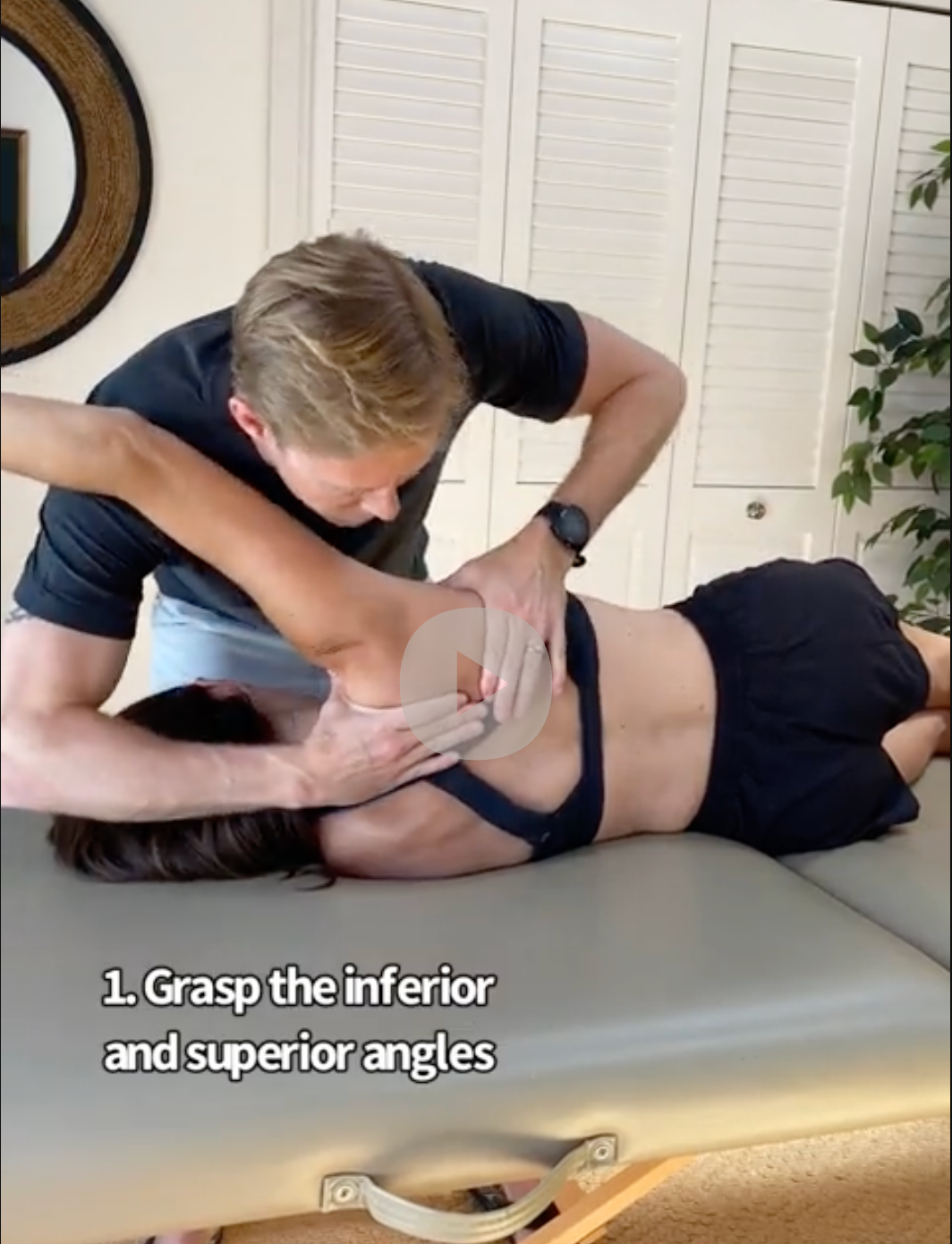
Here’s a great technique for improving scapular upward rotation in individuals with limited mobility or pain when reaching overhead that I covered on Instagram today.
When reaching overhead, approximately 45 to 60° of the total motion comes from upward rotation of the scapula or shoulder blade.
Limited scapular upward rotation may apply extra stress to other shoulder structures including the rotator cuff tendons, which could result in pain and limited function.
Here is a link, so that you can watch a video of the mobilization. https://www.dropbox.com/scl/fi/gwx2j2kr5bzjr1eqo25le/Scapular-Upward-Rotation-Mobilization.mov?rlkey=w4okugt8s7ttkqavv6t01mbrv&st=a9r9lrxe&dl=0
If you're a new practitioner to the community, please introduce yourself. I'd love to know what brought you here, what type of health or fitness background you have and what type of patients/clients you see. Thank you for being here!
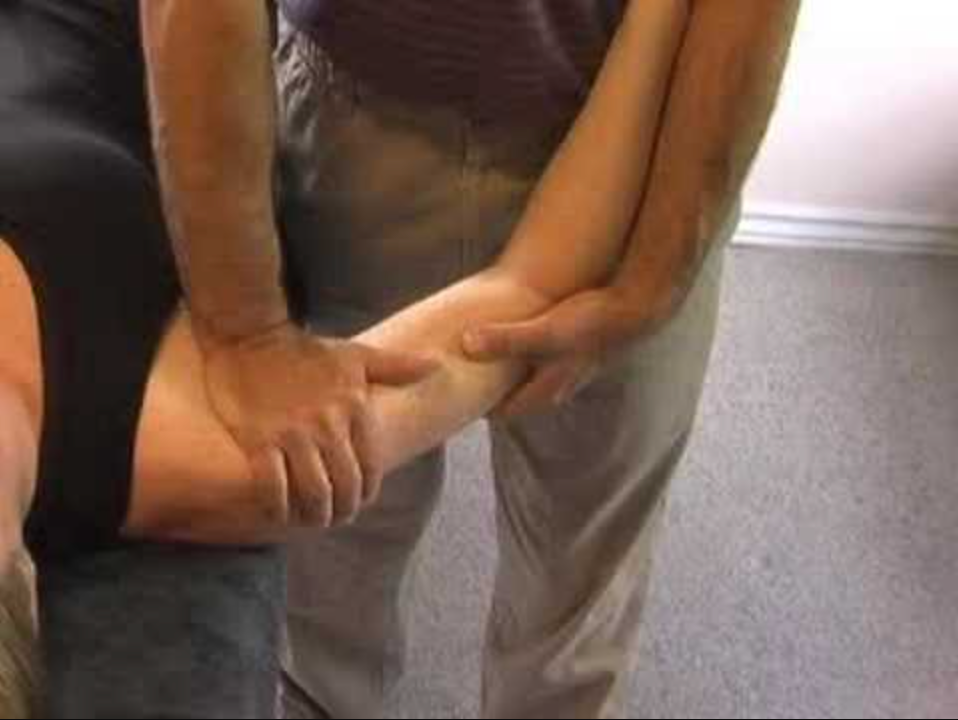
Today's post on Instagram covered the posterior glenohumeral (GH) joint mobilization, which can be a useful technique when looking to help individuals who present with painful and/or limited shoulder range of motion. Here is a link for the post, if you didn't see it. https://www.instagram.com/reel/DPtkti2Ebk_/?igsh=NTc4MTIwNjQ2YQ==
Once upon a time, we thought joint mobilizations like this one created changes in movement by physically stretching the joint capsule. Nowadays, this seems less likely and it is hypothesized that any alteration in movement and/or pain that is observed is probably more related to neurophysiological processes.
In addition to a clinician-delivered technique like this mobilization, patients would typically also be prescribed joint stretching and active mobility exercises to be completed on their own.
The frozen shoulder program here in the app is a great place to start if you are struggling with a loss of shoulder mobility and need stretches or mobility exercises. Here is the link to the program: https://membership.rehabscience.com/programs/frozen-shoulder?category_id=259882
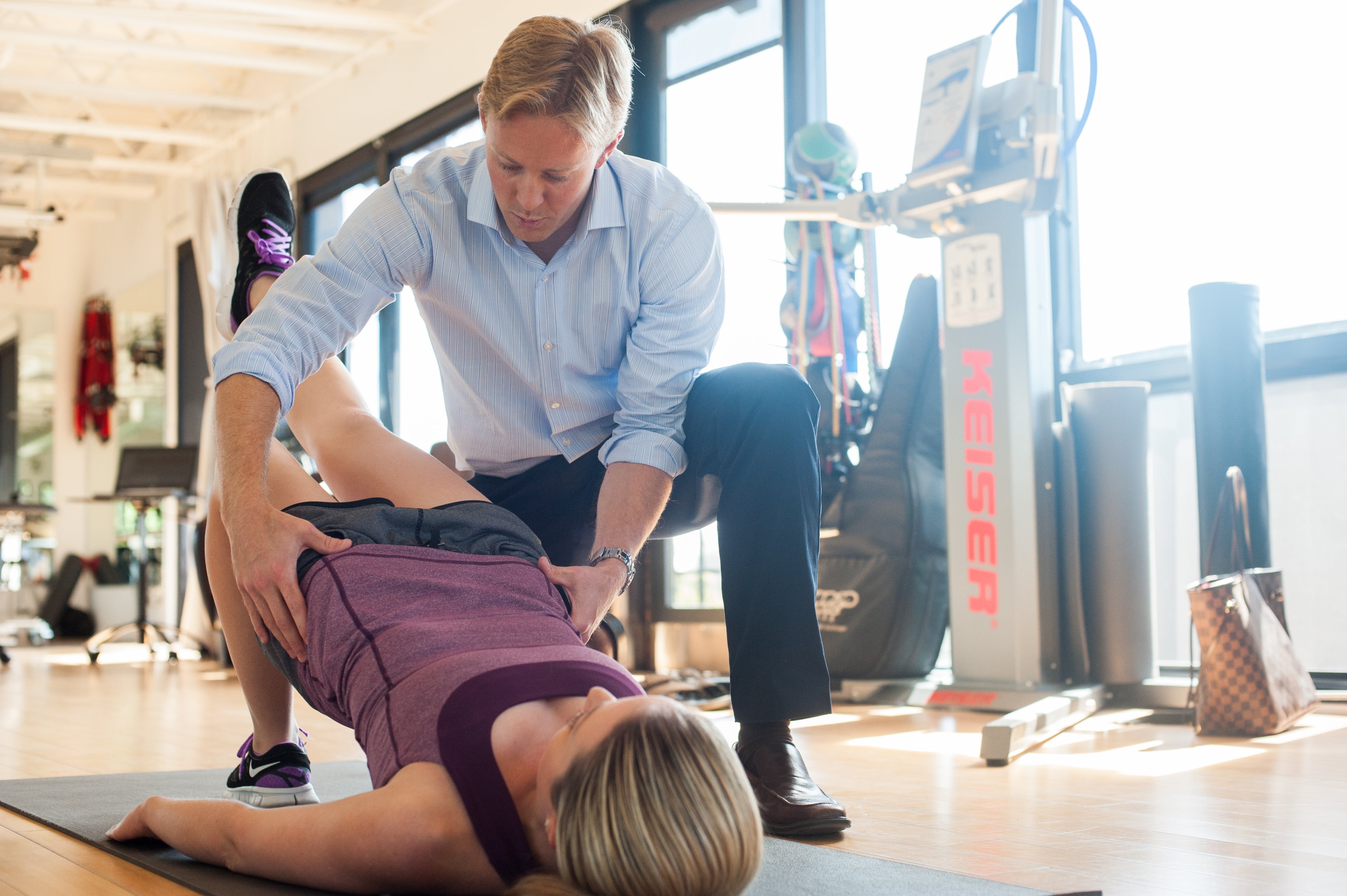
👋 Welcome to the Practitioner Community!
Hi everyone, and welcome to the Rehab Science App. This private community was created specifically for rehab, fitness, and movement professionals who want to deepen their knowledge and better serve their clients and patients.
🌟 What This Community Is About
This space is designed for professionals to:
Discuss rehab and prehab programming in greater depth
Explore orthopedic assessment tutorials and clinical applications
Share professional insights, case experiences, and questions
Network with like-minded practitioners from around the world
🙋 Introduce Yourself
Let’s get to know each other! Please introduce yourself below:
What’s your professional background (PT, trainer, chiropractor, yoga instructor, etc.)?
What area of rehab or movement do you specialize in?
What are you hoping to get out of this community?
I’ll start us off: I’m Tom, a physical therapist and educator based in California. Over the past decade I’ve taught thousands of people—both patients and practitioners—about pain, movement, and rehab. My hope is that this space becomes a hub where professionals can share ideas, learn together, and continue to elevate the way we help people move and feel better.