Sorted by
Newest posts Popular Latest activity
 
April 19
00:06

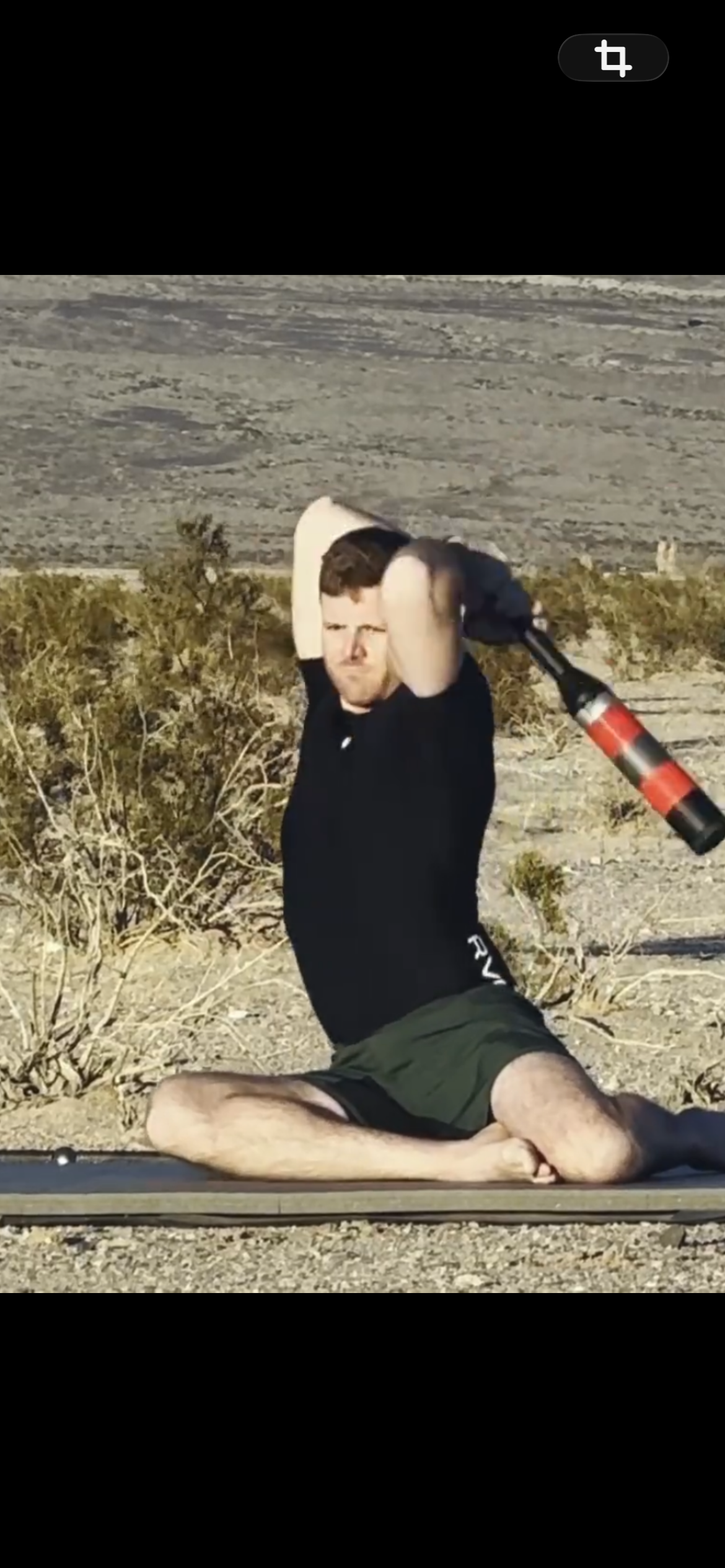
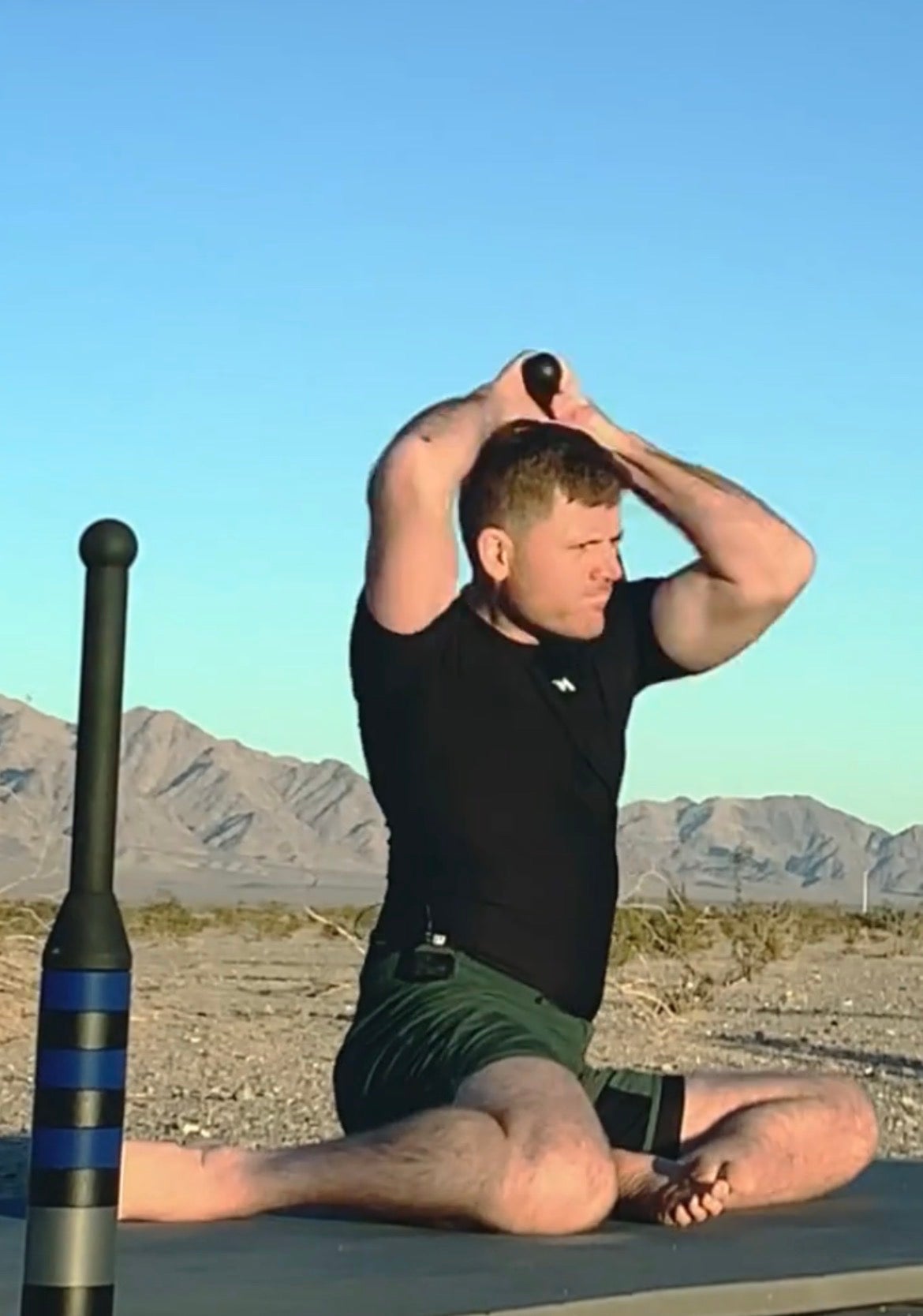
The ligamentum teres is one of the most overlooked structures in the hip joint.

Historically, it was thought to play a minimal role in function. But more recent research suggests it may contribute to hip stability, particularly in positions of deep flexion, adduction, and external rotation. It also appears to have a sensory role, meaning it may be a source of pain in some individuals.

Injuries to the ligamentum teres can occur with trauma, repetitive hip rotation, or underlying instability. Symptoms are often vague and may include deep groin pain, clicking, locking, or a sense of giving way.

Rehab should focus less on the ligament itself and more on improving overall hip stability and control. Strengthening the surrounding musculature, especially the deep hip rotators and glutes, is key.

2
 
April 17
00:17

📚The trapezius is one of the largest and most important muscles of the upper body, spanning from the base of the skull, down the cervical and thoracic spine, and out to the shoulder blade. It is divided into upper, middle, and lower fibers, with each region contributing to different movements and postural control.

🔎The upper trapezius helps elevate the shoulder blade, assist with upward rotation of the scapula, and contribute to neck extension and side bending. The middle trapezius primarily retracts the scapula, helping pull the shoulder blades back toward the spine. The lower trapezius helps depress the scapula and also plays a major role in upward rotation, especially during overhead arm movement.

🧠Functionally, the trapezius is critical for shoulder mechanics, neck support, and upper body stability. It works continuously during reaching, lifting, carrying, and maintaining posture, making it essential for efficient movement and reducing excess strain on the neck and shoulders.

April 10

Hi Tom,

Could you share some insight? After a trip and fall forward on my knees, I am having extreme pain behind the knee when in full flexion. The evening after it happened, the pain started at about 45 degree flexion. It has improved since the fall, doesnt hurt when standing or in extension. Now if I squat to get something from the floor, it really hurts.

3
April 08

Hi Tom - Would you please send me the link for tarsal tunnel syndrome? Thank you!

1
January 20

Hello! I finally received an MRI for my "shoulder pain"! Here's the story: "Shoulder pain and mechanical symptoms due to multiregional labral tears (superior, posterior, inferior, anterior-inferior) with a 2.3 × 1.3 cm posterior-medial humeral head chondral defect, early glenohumeral degenerative changes, small intra-articular loose bodies, and mild bursitis, with intact rotator cuff and biceps tendon." Which part of your program do you recommend? I am scheduled to see an ortho surgeon next week. (But of course would love to avoid surgery.) Thanks!

2
 
December 28, 2025
Image from Tom W.'s post

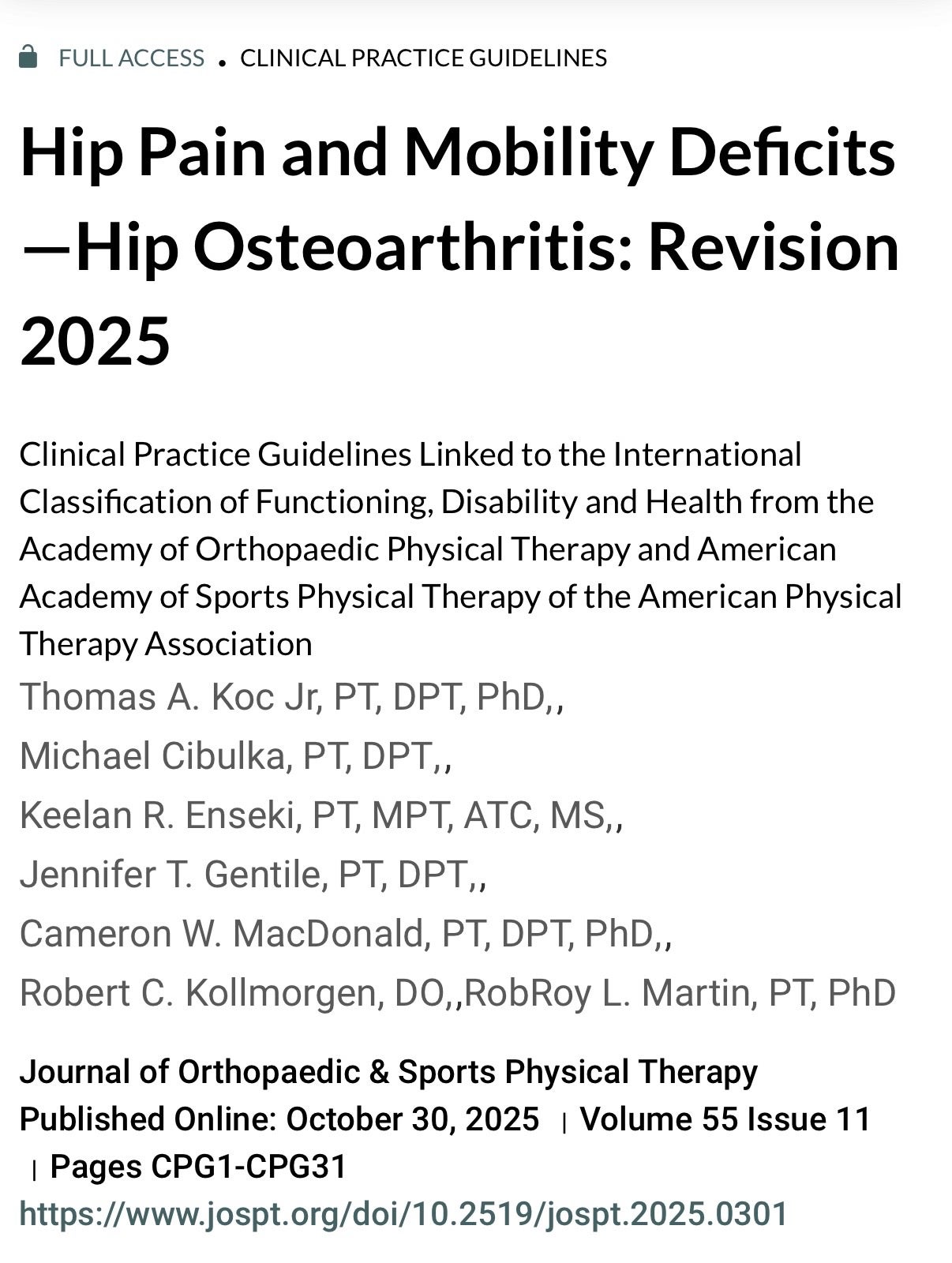
The Journal of Orthopaedic and Sports Physical Therapy produces clinical practice guidelines (CPGs) that cover various common conditions and the evidence surrounding the treatment of that condition. In October of 2025, the hip osteoarthritis CPG was updated.

Here is a link for the article, in case you want to learn more about which interventions have the most research support for treating hip OA.

https://www.jospt.org/doi/10.2519/jospt.2025.0301

2
November 18, 2025
• Edited (Nov 19, 2025)

Hello, I am looking for information on hearing loss specifically in relation to neck issues. I have a client who has hearing loss and wears hearing aids in both ears. They've had "all the tests" but none of the tests give any clue what the cause of their hearing loss is. They do report a sore neck for the past 15 years which coincides with the duration of their hearing loss. They haven't been investigated for Eagle Syndrome. And haven't had their tonsils removed. They don't report any trauma to their head or neck. They are 48 years old. They are experiencing loss of confidence. I've tried literature searches but so far haven't found anything "helpful." 🙏 for any assistance, Caroline

3
 
November 03, 2025
Image from Tom W.'s post

Here is a great article on gluteal tendinopathy that refutes some of the common myths. I thought you might enjoy reading it as it has many practical takeaways.

https://www.sciencedirect.com/science/article/pii/S2468781225000013

 
October 30, 2025
Image from Tom W.'s post

Hi all, here is a recent study on low back pain and imaging that I thought you might find relevant to your own practices. I have included a link to the full-text study below my summary.

A recent qualitative study published in Musculoskeletal Science & Practice (Lullo G. et al., 2025) explored why patients with non‑specific chronic low back pain (cLBP) often request imaging even when it is not clinically indicated. Three primary themes emerged: (1) a strong desire to “know the cause” of their pain despite recognizing its multifactorial nature; (2) the perception that imaging is necessary when conservative treatments fail; and (3) imaging producing mixed outcomes—some feel reassured, others experience increased anxiety or misleading interpretations. The authors stress the importance of practitioner‑led patient education about the limitations of imaging and the value of movement‑based care.

Clinical Takeaways for Practitioners:

  1. Avoid imaging for low back pain unless red flags are present—use history and exam to triage.

  2. Explicitly discuss incidental findings with patients to prevent structural‑deficit thinking and unnecessary interventions.

  3. Emphasize movement, load progression, and functional recovery to shift focus away from imaging and toward active rehabilitation.

    https://www.sciencedirect.com/science/article/pii/S246878122500164X?via%3Dihub=&utm_campaign=%5BE%5D%20Roundup%20%20%7C%20October%202025%20FREE%20%2801K8ABCC8S1R354Z18GED6T3EX%29&utm_medium=email&utm_source=klaviyo&_kx=PWY1roWpjvRu82bkdyNGJeFd9lL0zBwBvPcQsLMSNxXwRh-VOqRFCNvS2j3Z9gKQ.TVa3AR

2
 
October 24, 2025
Image from Tom W.'s post

Hi everyone,

Here’s a great technique for improving scapular upward rotation in individuals with limited mobility or pain when reaching overhead that I covered on Instagram today.

When reaching overhead, approximately 45 to 60° of the total motion comes from upward rotation of the scapula or shoulder blade.

Limited scapular upward rotation may apply extra stress to other shoulder structures including the rotator cuff tendons, which could result in pain and limited function.

Here is a link, so that you can watch a video of the mobilization. https://www.dropbox.com/scl/fi/gwx2j2kr5bzjr1eqo25le/Scapular-Upward-Rotation-Mobilization.mov?rlkey=w4okugt8s7ttkqavv6t01mbrv&st=a9r9lrxe&dl=0