Sorted by
Newest posts Popular Latest activity
  in  🔶 open-forum
May 02
00:27

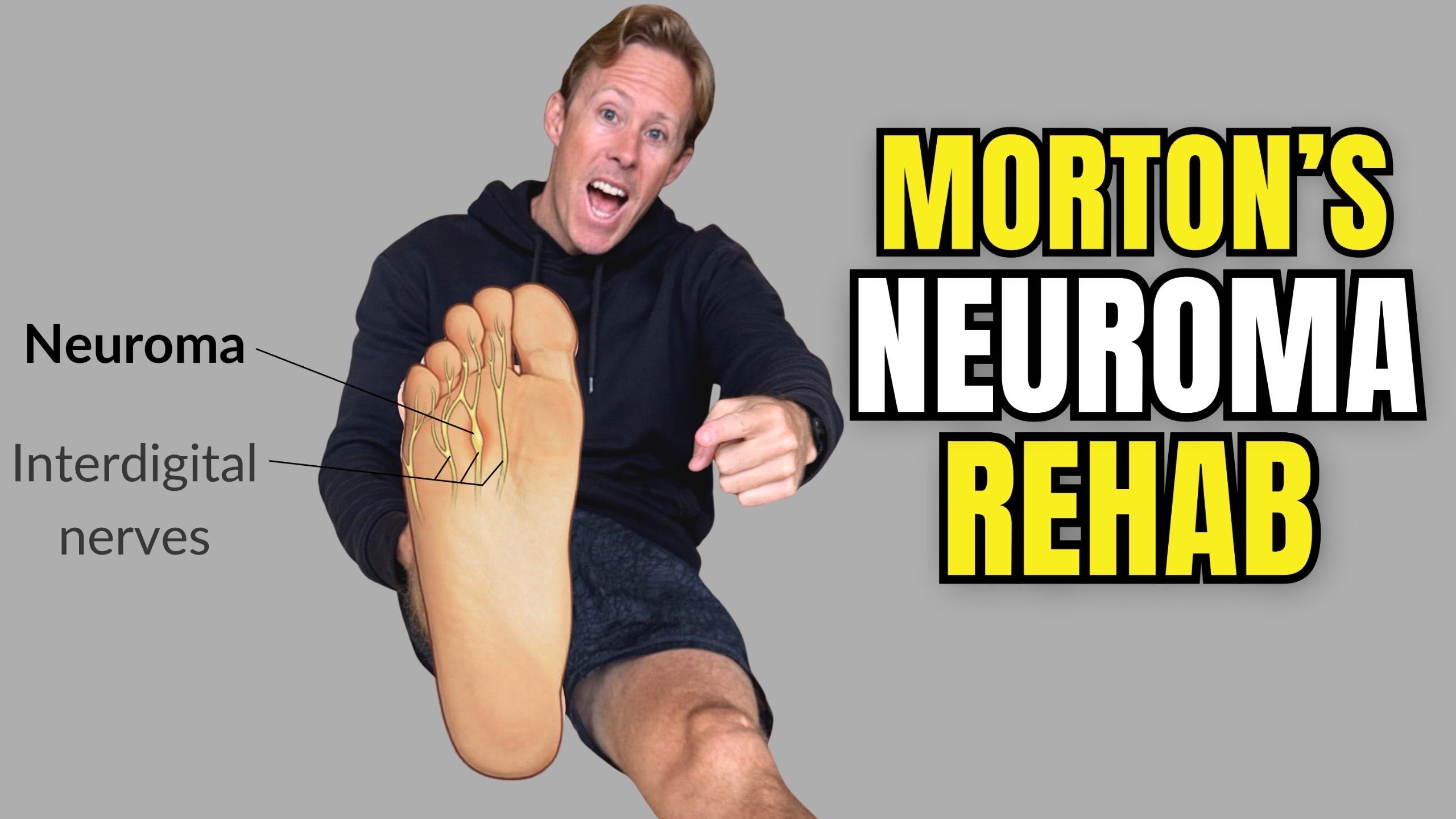
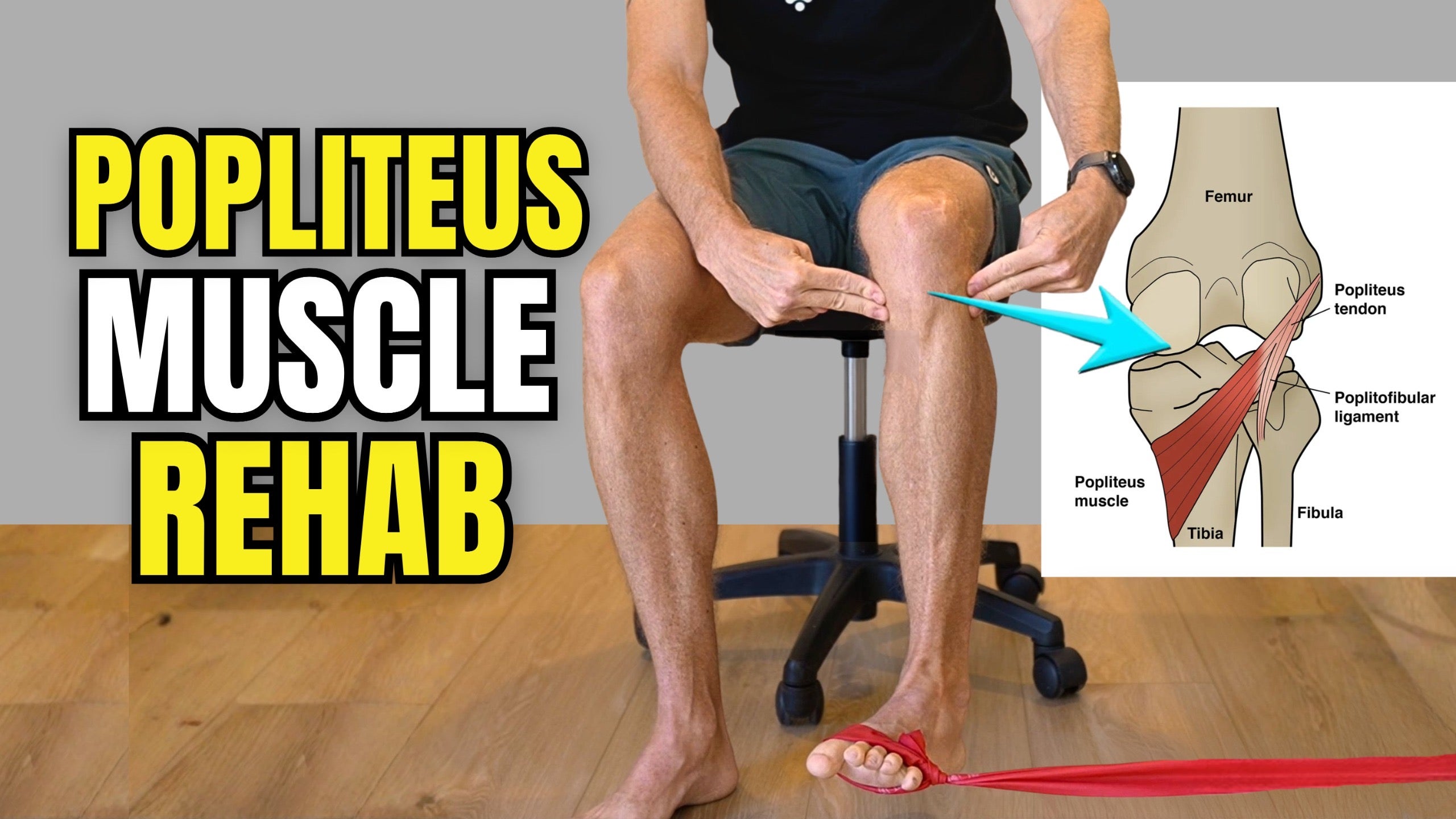
🧠Pain in the muscles along the medial tibial border can occur with posterior shin splints, calf strains, tibialis posterior tendinopathy and arch related issues, like plantar fasciopathy.

🔎If you are having pain in this region, the massage technique shown in this video may be helpful. It is an area I often find myself working when patients present with the conditions mentioned above.

✅Besides soft tissue/massage work, make sure to also add the exercises for the calf muscles and tibialis posterior. The shin splints program here in the membership is a good place to start.
  in  🔶 open-forum
April 29
Image from Tom W.'s post
  in  ⚕️ practitioner-questions
April 28
• Edited (Apr 28, 2026)
Image from Chris's post
1 / 2
Image from Chris's post
2 / 2

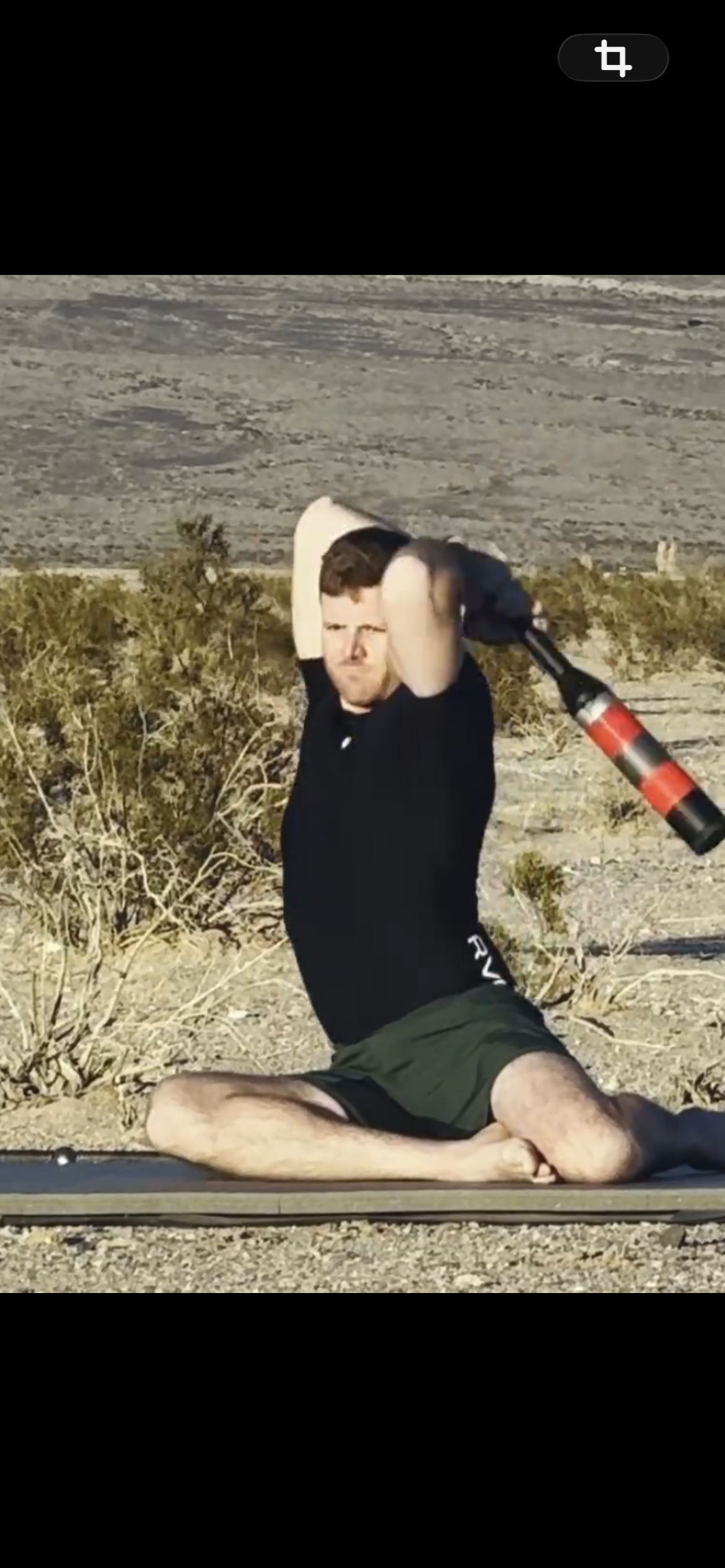
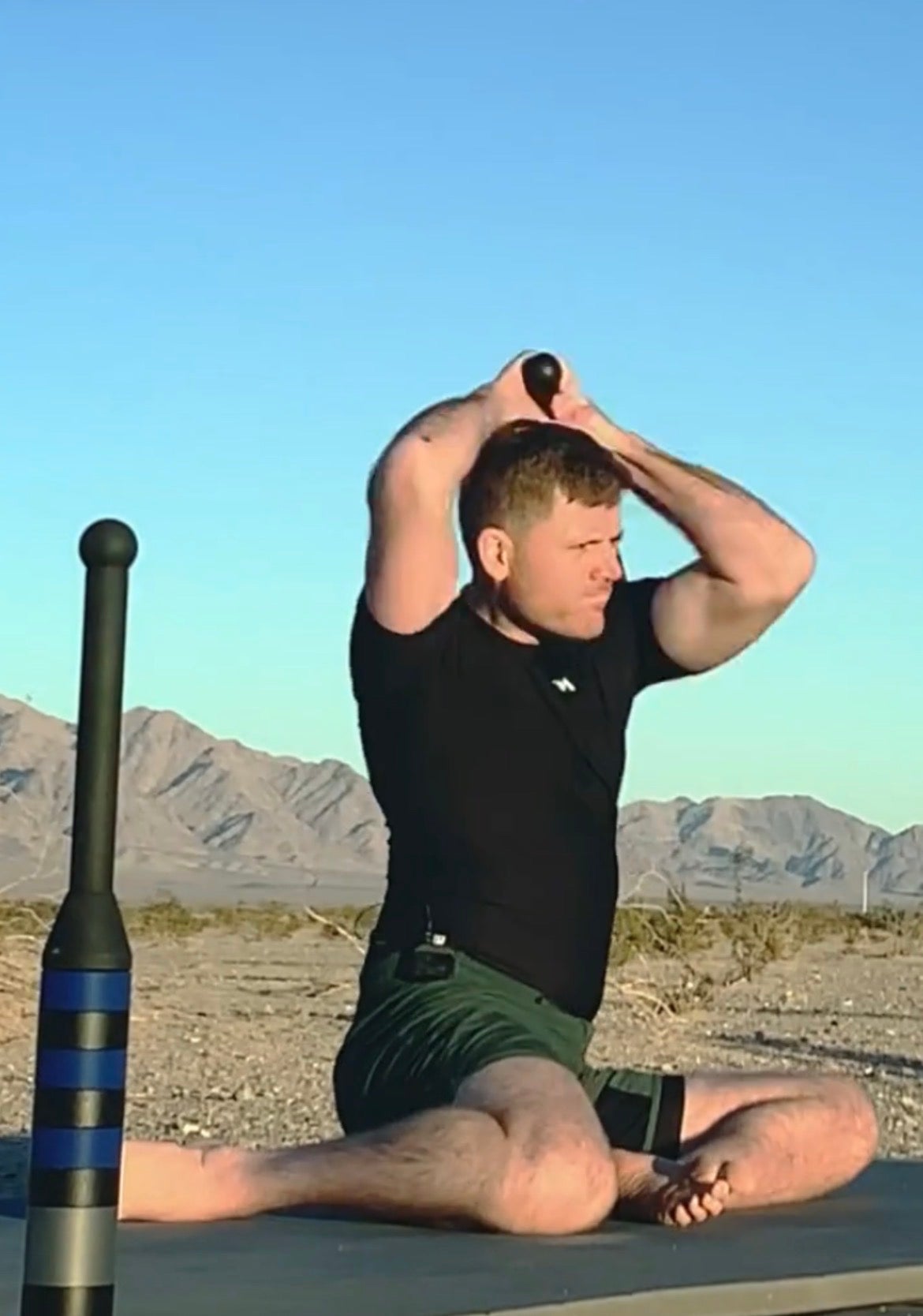
Help - Hip Assymetry and Unflexible/Cramping when loaded.

I have a very noticeable difference in my hip flexibility tighter right vs left. I really realized this is a problem last month when doing 2-handed shield casts with a 10lb club while in the shin box position. I could do 13 shield casts in 30-seconds left to right vs just 3-5 right to left while struggling to avoid hitting my back on the back swing. Also, I do a Slam Ball program which is all about deep squatting and in the rock bottom position for 60 seconds that right hip tends to cramp after 40-50 seconds. Never the left side though.

Can you suggest any routines or

Particular exercises that would help with range and mobility in those hip areas?

I added 2 photos showing this particular exercise that exposes this severe assymtry and limitation. Photo 1 on left - is the left to right more mobile/no cramping and photo 2 - is right to left right side limited range, tight and cramps on prolonged deep weighted squats. Thank you for any ideas I am committed to overcoming this but regular stretching isnt working

4
  in  ⚕️ practitioner-questions
April 28
00:15

🔎When the supraspinatus tendon sustains a large or “massive” tear, the issue isn’t just local tissue damage—it fundamentally alters how the shoulder moves and functions.

🧠The supraspinatus plays a key role in initiating shoulder abduction and, more importantly, in stabilizing the humeral head within the glenoid. When that stabilizing force is compromised, the biomechanics of the shoulder begin to shift.

👉Here’s what typically happens:

• Loss of humeral head controlWithout adequate supraspinatus function, the humeral head tends to migrate superiorly during arm elevation. This reduces the available subacromial space and increases mechanical compression of surrounding structures.

• Deltoid dominance without restraintThe deltoid continues to generate upward force, but without the counterbalance of the rotator cuff, that force becomes less efficient. Instead of producing smooth rotation, it drives excessive superior translation.

• Altered force couplingThe rotator cuff normally works as a coordinated unit. With a massive tear, this balance is disrupted, often leading to compensatory overactivity of the remaining cuff and scapular musculature.

• Functional limitationsPatients often report difficulty with overhead movements, weakness, and in more severe cases, an inability to actively elevate the arm (sometimes referred to as pseudoparalysis).

✅Over time, these changes can contribute to chronic dysfunction, pain, and even rotator cuff arthropathy if left unmanaged.

1
  in  🔶 open-forum
April 27
• Edited (Apr 27, 2026)
00:08

📚The ACL connects the femur (thigh bone) to the tibia (shin bone) and runs at an oblique angle from the posterior aspect of the femur to the anterior aspect of the tibia. Due to this arrangement, the ACL is responsible for preventing anterior translation of the tibia or posterior translation of the femur.

🧠In the anterior drawer test, which is being demonstrated in the first video, the examiner attempts to pull the tibia anteriorly. If the ACL is compromised, the tibia will translate forward farther than it normally should.

✅Here in the app you will find a comprehensive rehabilitation program for knee ligament injuries, which can be found under the knee section. Here is a link for that program.

https://membership.rehabscience.com/programs/knee-ligament-injury?utm_source=product&utm_medium=share&utm_campaign=content_share&utm_term=3776140&utm_content=mobile

  in  🔶 open-forum
April 23
Image from Tom W.'s post
  in  🔶 open-forum
April 22
Image from Tom W.'s post
  in  🔶 open-forum
April 21
Image from Tom W.'s post

Hey everybody!

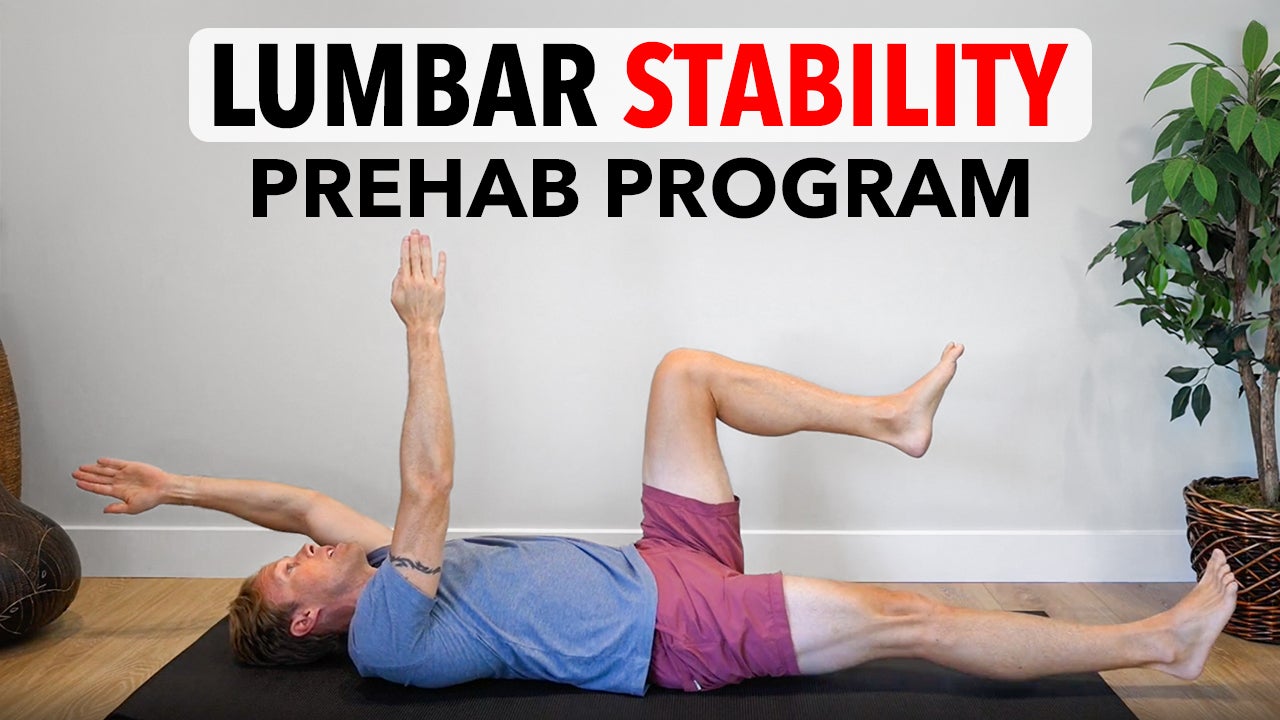
I added a new lumbar stability workout to the prehab section of the app. Here is a link for this new routine.

https://membership.rehabscience.com/programs/lumbar-stability?category_id=262574&utm_source=product&utm_medium=share&utm_campaign=content_share&utm_term=4161798&utm_content=copy

  in  🔶 open-forum
April 20
Image from Tom W.'s post

Hi everyone,

Here is the link to sign up for my next office hours session, which will be held this Wednesday at 9am PT. Please bring any rehab questions that you have or feel free to attend and listen to the discussion.

https://membership.rehabscience.com/programs/live-uqxp2qfs5u4?category_id=262577&utm_source=product&utm_medium=share&utm_campaign=content_share&utm_term=4160560&utm_content=copy

  in  🔶 open-forum
April 19

I love your rehab science t-shirts. Do you sell them?

1