Hi Tom - Would you please send me the link for tarsal tunnel syndrome? Thank you!


Hi Tom - Would you please send me the link for tarsal tunnel syndrome? Thank you!

Hi everyone,
Office hours will return to normal this coming week and will be held on Wednesday at 9am PT. Please use the link below to sign up.
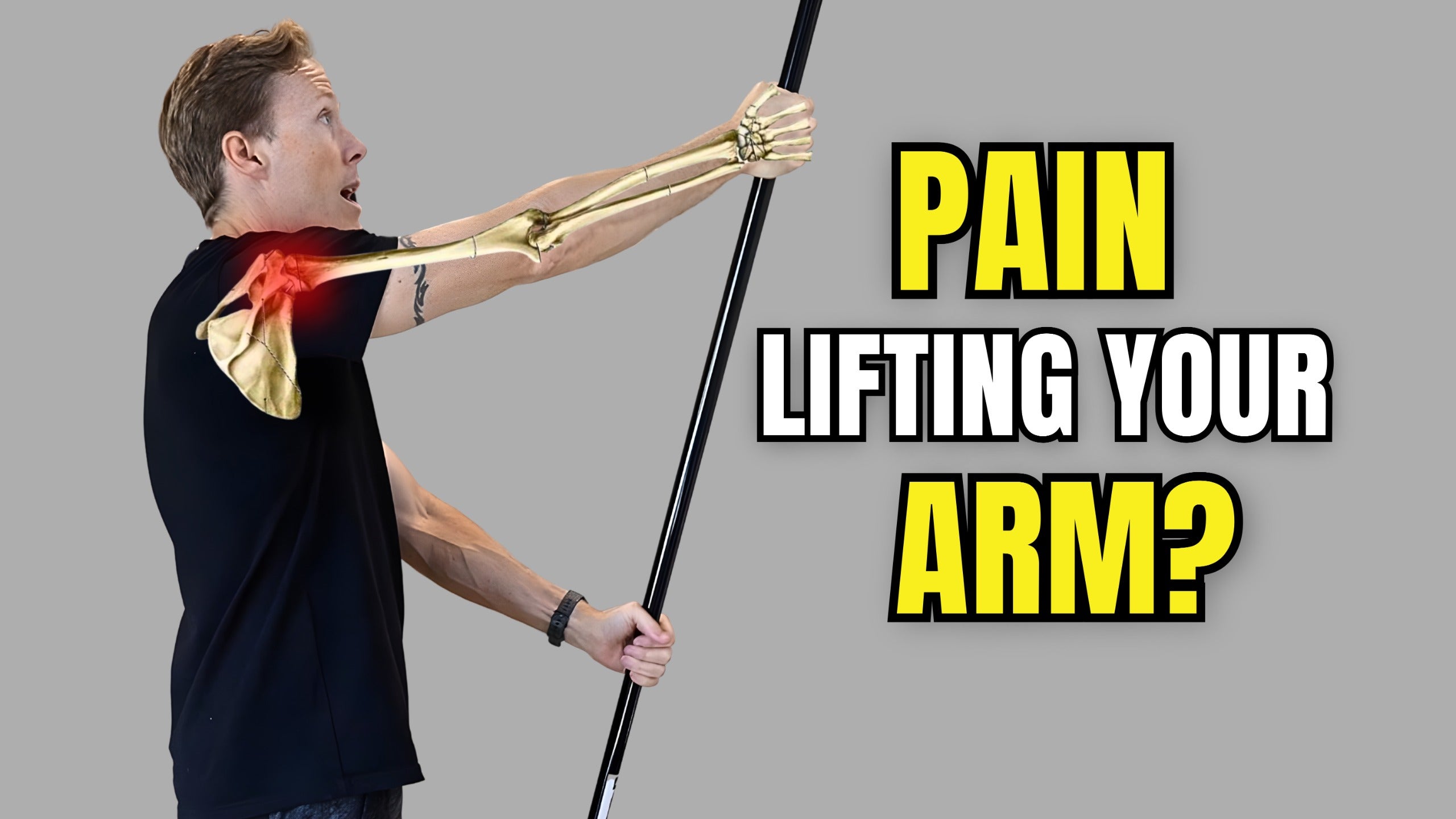
Hey everybody! A new video on shoulder pain when lifting your arm is now available and will teach you three mobility exercises that can be helpful when lifting your arm on its own is painful.
Hi everybody, I hope you are having a great weekend so far! There won't be an office hours session this coming week as I am traveling with my family for spring break.
If you have any questions this next week, please feel free to start a community post, so we can all learn or send me a private message.
Thank you! -Tom
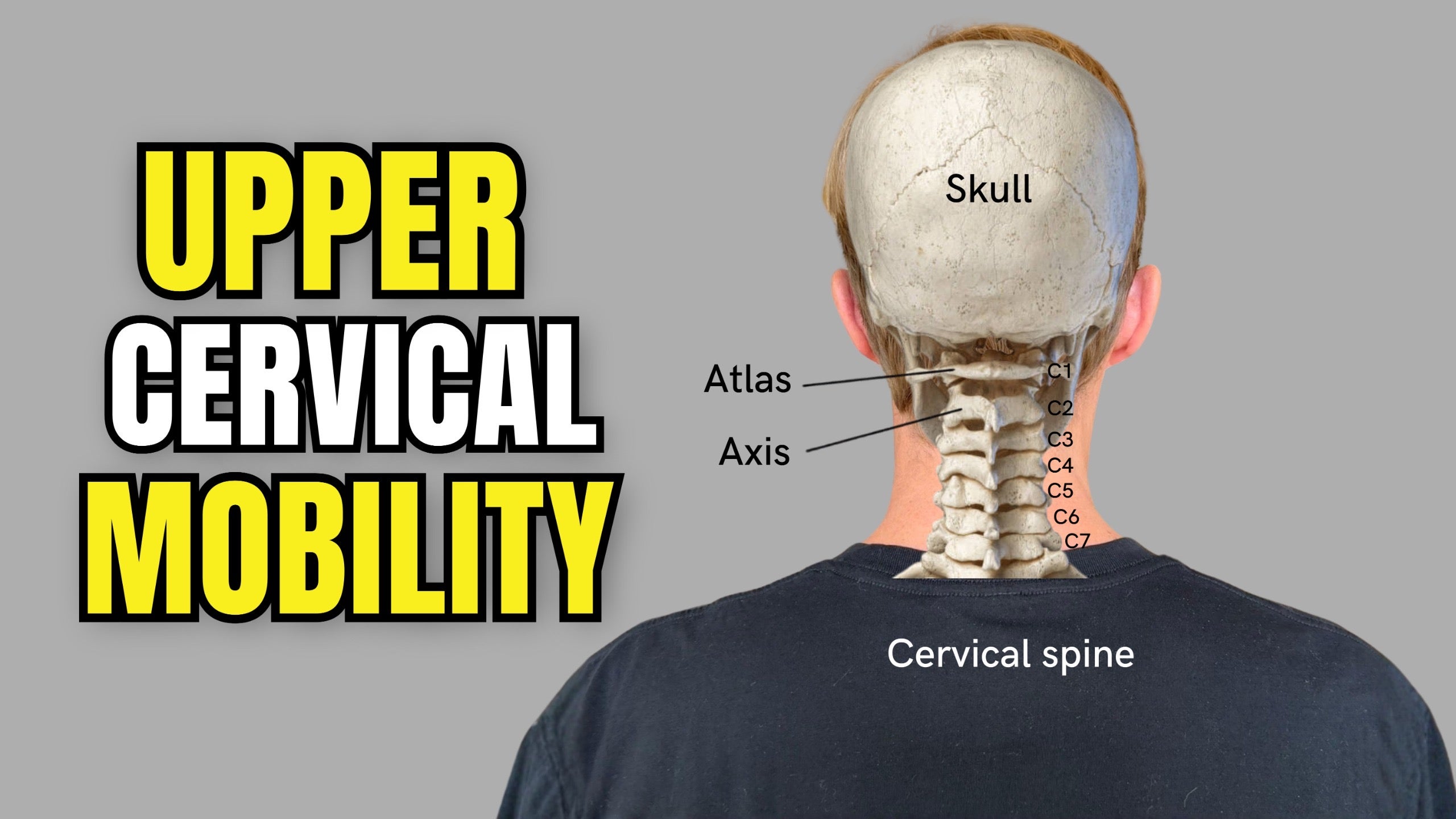
Hi everyone, a new upper cervical mobility video is now available. Here is a link:
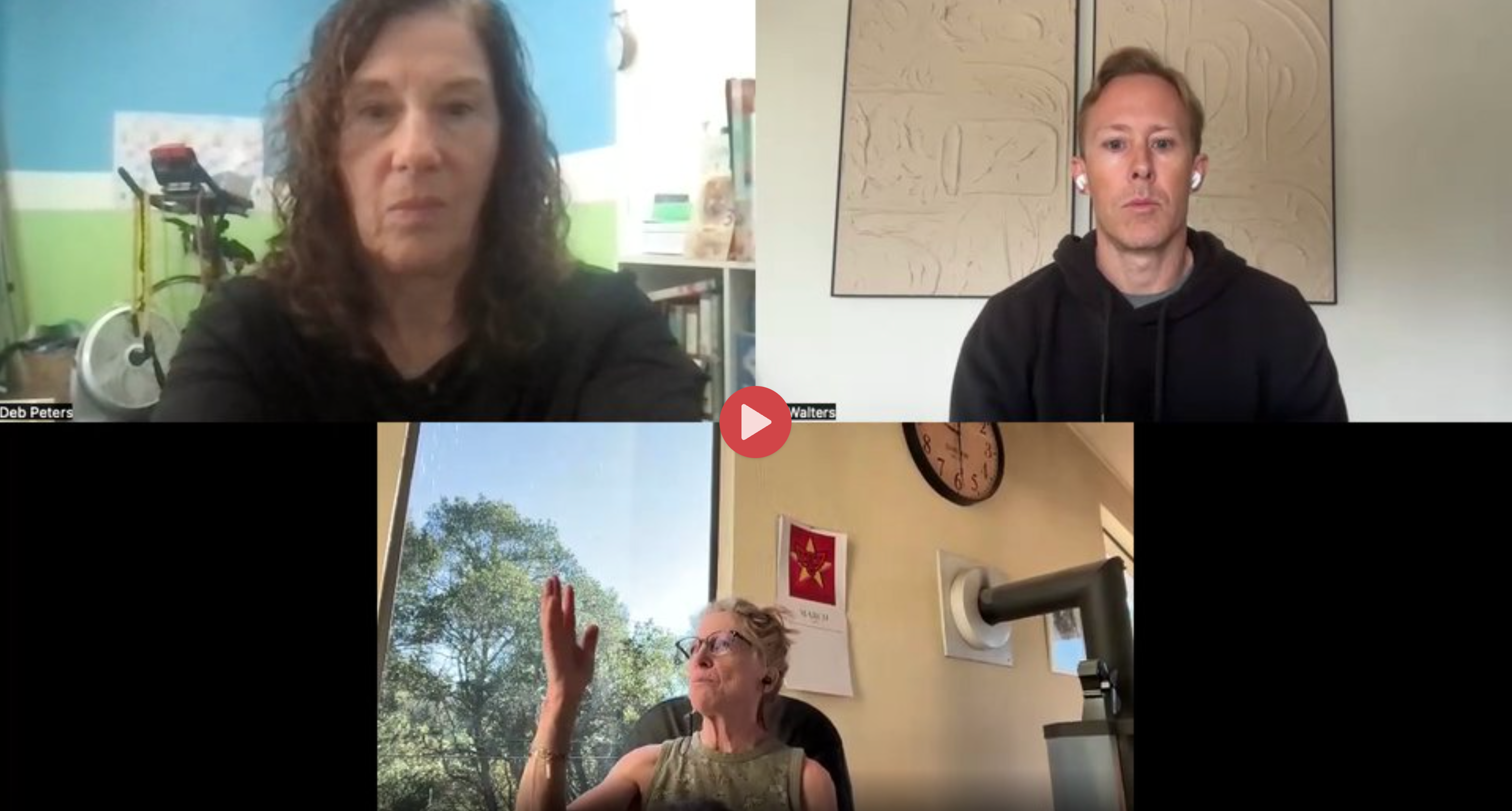
Here is a link for the replay of today's office hours session. I talked with Deb and Linda who are both practitioners and they shared a ton of good insights about movement, rehab and pain!
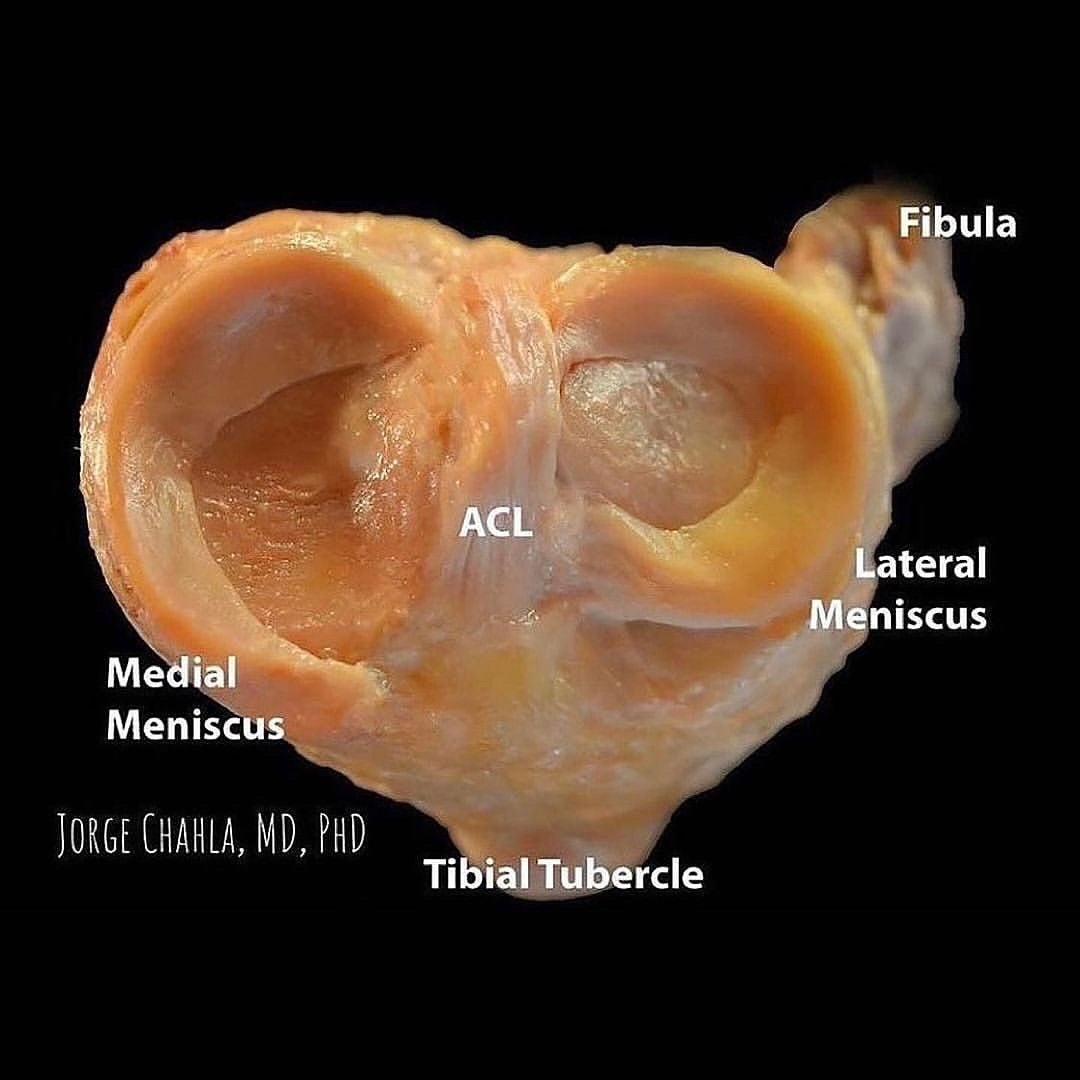
The knee joint contains a lateral and medial meniscus, which act as shock absorbers and force transducers. The menisci possess a slight concavity, which improves the fit between the femur and tibia and enhances overall joint stability.
Meniscus injuries can be traumatic or degenerative in nature and are more common in athletes that participate in sports that involve twisting on a planted foot (soccer, basketball, volleyball, etc).
Symptoms associated with a meniscus injury are usually reported as knee pain, catching, locking, buckling of the knee or any combination of these symptoms.
It should also be noted that a large percentage of the asymptomatic population have meniscus tears on MRI and experience no symptoms. So, don’t immediately get worried if you see evidence of meniscus changes on an MRI. Instead, focus on improving your level of function and reducing pain. Many meniscus issues can be resolved with non-surgical care.
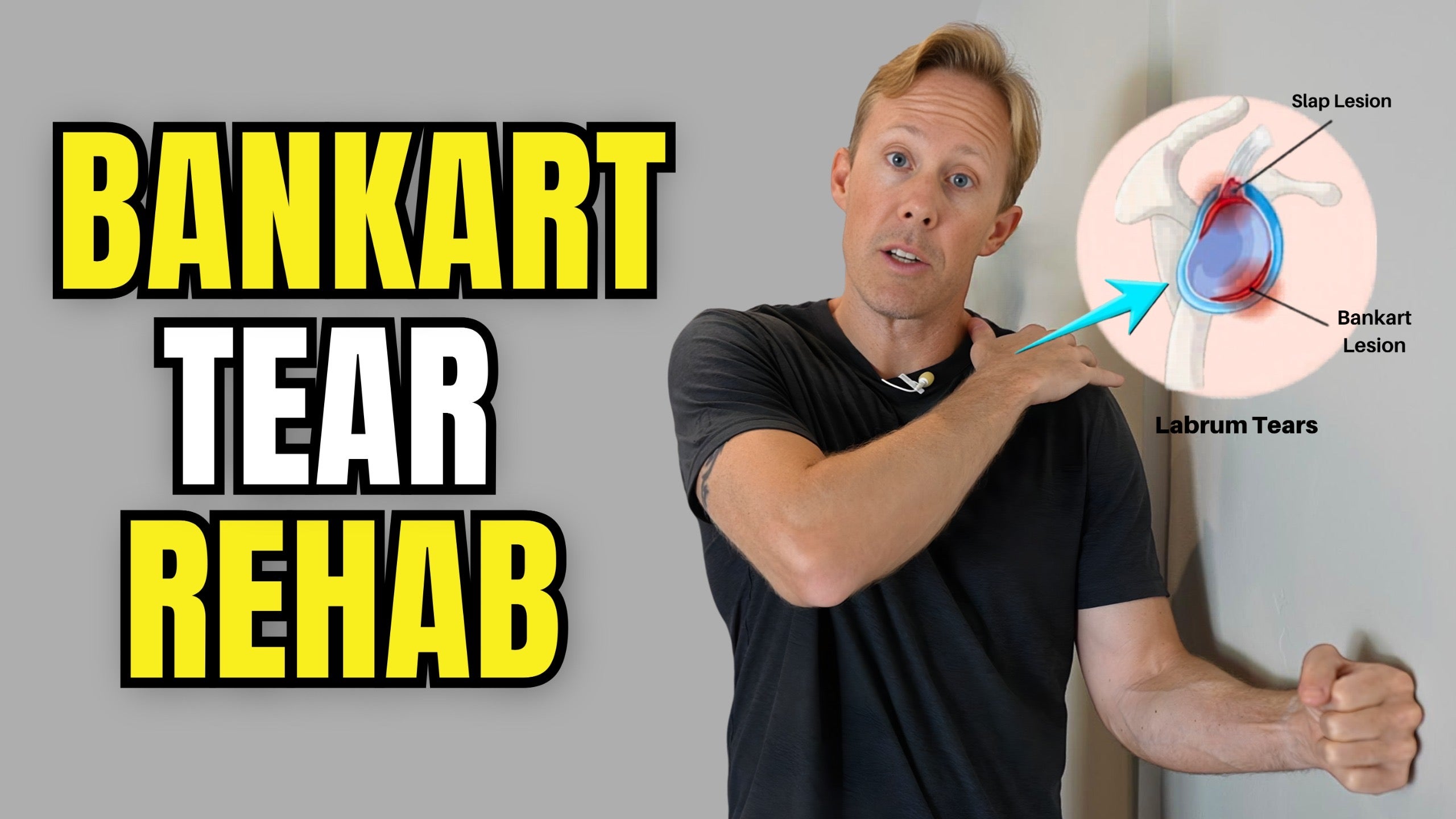
A new video on bankart shoulder injuries is available here in the app. If you have ever dislocated your shoulder or if your shoulder clicks and feels loose, these are good exercises to implement.
Hi everyone! I just wanted to make sure you know that you can post here in the community or send me a direct message, if you ever have a question.
If the question is more personal, then the DM function is a great option. Here is a link for that area of the app.
https://membership.rehabscience.com/community/direct_messages/chats
If the question is something you don't mind others seeing, then the community area is a great place to ask, so that everyone can learn together.
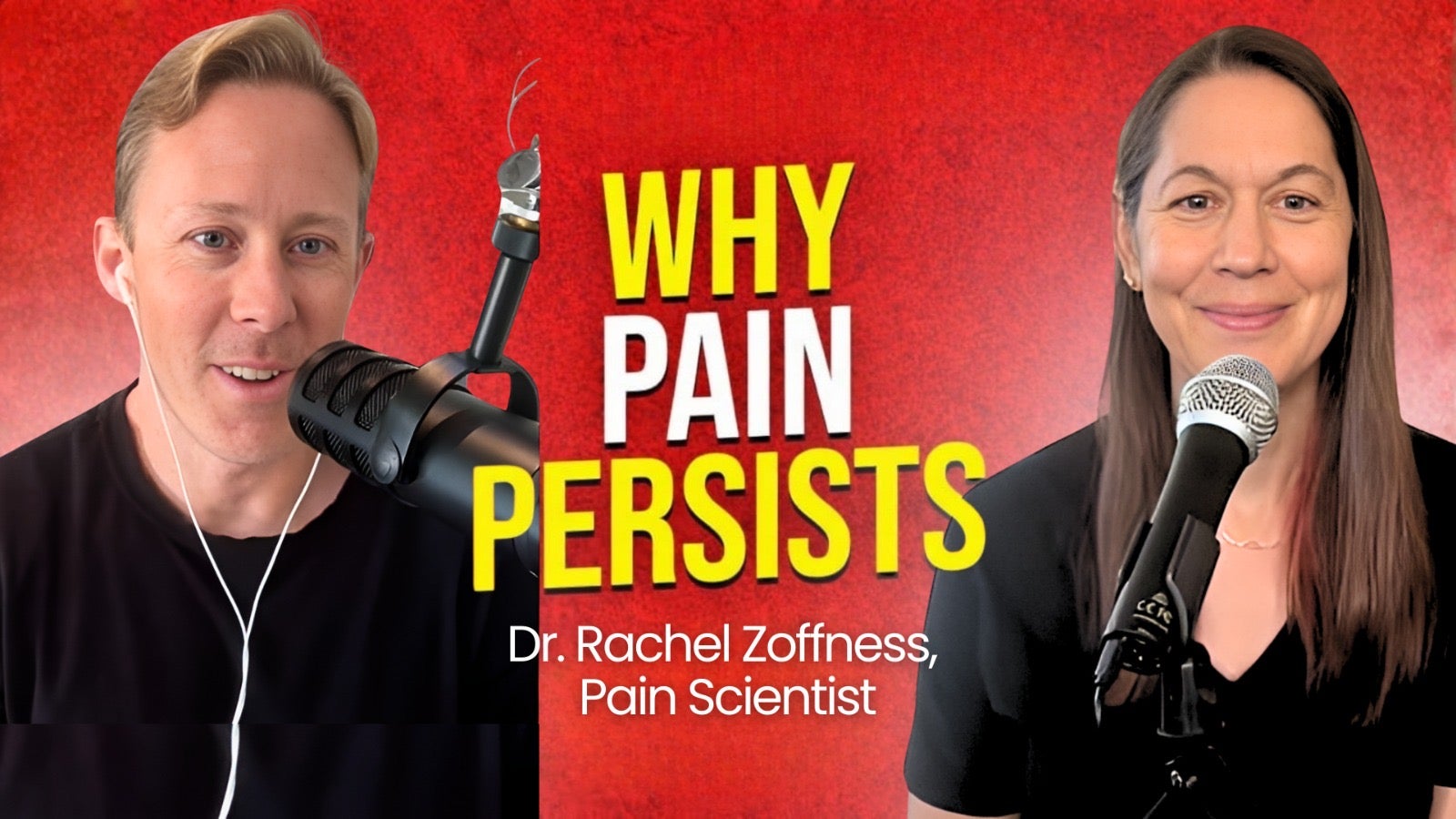
I interviewed pain psychologist, Dr. Rachel Zoffness, PhD, on my podcast earlier this week and I really think you would enjoying learning more from her about how our thoughts and emotions can influence pain. Whether you are a practitioner or someone suffering from pain, Dr. Zoffness shares so many incredible insights and strategies to think about in your own life.
Here is a link for the episode, which you can find in the new 'Podcasts' section here in the membership.