Sorted by
Newest posts Popular Latest activity
  in  🔶 open-forum
August 15
00:18

📚The posterior compartment of the forearm contains the wrist and finger extensor muscles, which are responsible for extending the wrist and fingers and partially stabilizing the lateral elbow.

🧠Soft tissue mobilization (massage) of these muscles is often implemented in physical therapy and can help with conditions like tennis elbow (lateral epicondylalgia), radial nerve entrapment issues and some wrist pain issues.

🔎To mobilize these muscles, work from the distal forearm proximally toward the outside of the elbow (lateral epicondyle). Tenderness will usually be most severe as you get closer to the elbow where the tendons attach.

👉In addition to implementing soft tissue techniques like this, it’s also important to incorporate exercises that load and strengthen the extensor muscles and their tendons.

✅The tennis elbow program here in the app will teach you the best exercises and guide you through three phases of rehab. Click the link below to access this program.

https://membership.rehabscience.com/programs/tennis-elbow?category_id=260466

  in  🔶 open-forum
August 12

Hi Tom. I meant to ask you this morning on YouTube about your thoughts on daily stretching and if you think it's important. Can you share with us your thoughts, and would you consider making a video about stretches/what's most important? I'd like to get a PT perspective as opposed to a fitness person's.

6
  in  🔶 open-forum
August 12
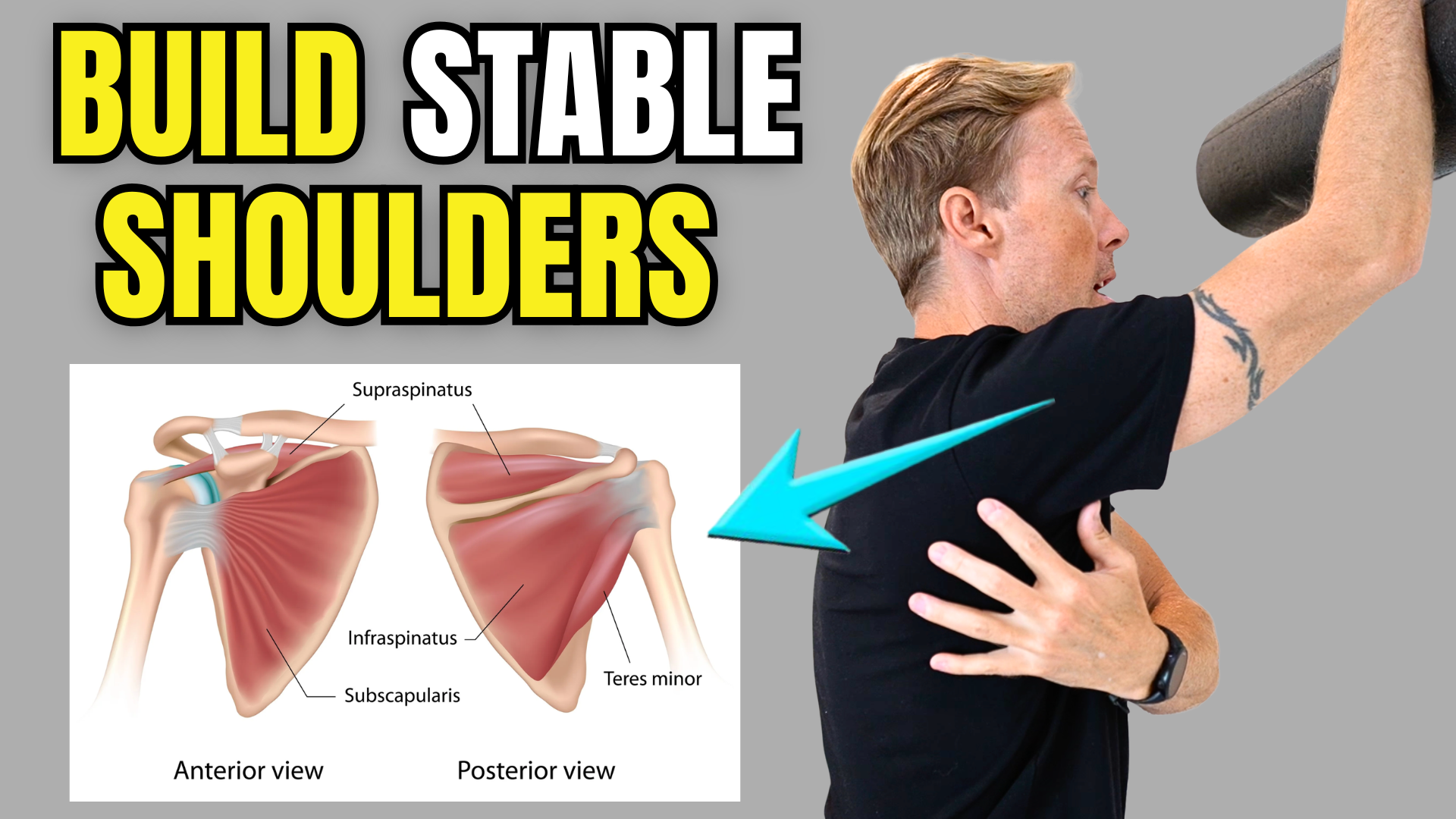
Image from Tom W.'s post
  in  🔶 open-forum
August 10
00:16

📚The rhomboid muscles (rhomboid major and minor) are located between the shoulder blades and the spine and work to retract, inferiorly rotate and elevate the scapulae.

🔎Rhomboid minor is located just above rhomboid major and runs from the spinous processes of C7-T1 to the medial end of the scapular spine. Rhomboid major runs from the spinous processes of T2-5 to the medial scapular border. Both muscles are innervated by the dorsal scapular nerve (C5).

👉The rhomboids are thought to be a common myofascial source of mid-back pain and/or tightness. As such, a bit of targeted soft tissue mobilization work in this area can often greatly help reduce symptoms.

🧠It is also important to note that rhomboid region pain is often related to thoracic spine and rib issues and can even be referred from the neck. So, if your pain continues to return and is only temporary reduced with soft tissue work, make sure to see a practitioner who can assess these other regions for a possible contribution.

  in  🔶 open-forum
August 08
00:11

📚The radial nerve is one of the three major peripheral nerves of the upper extremity and supplies the posterior arm and forearm.

🔎More specifically, the radial nerve provides motor innervation to the triceps and the wrist/finger extensor muscles. The nerve also relays sensory input from most of the back of the hand and fingers (except the pinky and medial half of the ring finger).

🧠The two mobilizations demonstrated in this post can be useful for individuals who are experiencing pain, numbness or tingling in the back of the hand, especially near the thumb, index and middle finger.

1️⃣Sliders involve placing one end of the nerve on tension while the other end is slack. In this example, when the wrist is flexed (nerve on tension at the wrist), the neck is laterally flexed toward the arm (nerve on slack at the neck). Then, the neck and wrist positions switch, which creates the sliding movement of the nerve. Try alternating back and forth 10-15 times and use the technique whenever you are experiencing nerve symptoms (pain, tingling, numbness).

2️⃣Next, we see a ‘tensioner’ position where the nerve is put on tension across its entire path. In this position, you will likely experience a neural ‘stretch’, which can feel slightly different than a muscle stretch. Tensioners can be held for several seconds and are usually implemented once the person’s symptoms are no longer acute.

✅A nerve pain program can be found here in the app in the head and neck section. Here is a link for that program.

https://membership.rehabscience.com/programs/neck-nerve-pain?category_id=260344

  in  🔶 open-forum
August 05
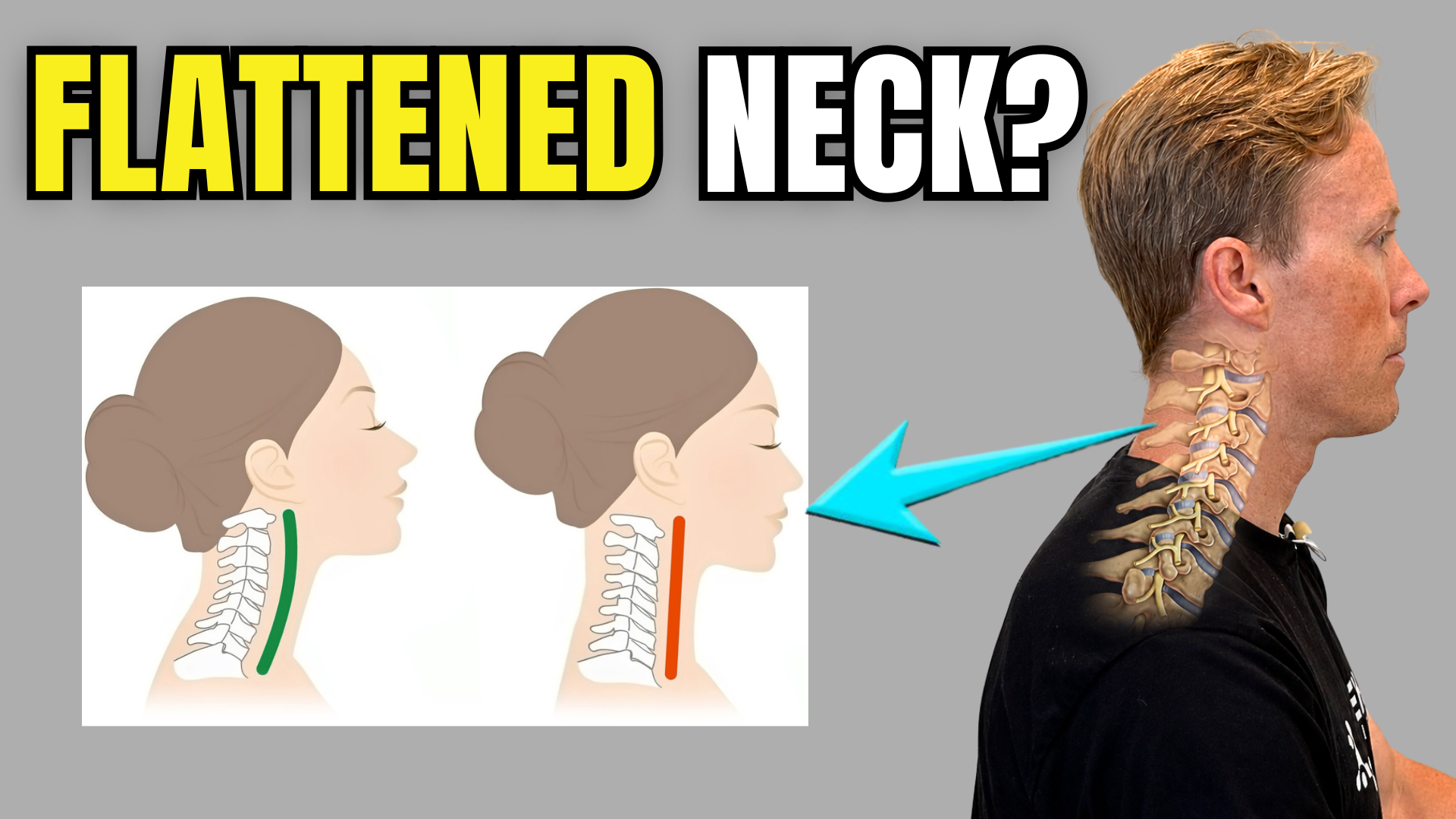
Image from Tom W.'s post

Hi everyone, 

A new video looking at a loss of the cervical lordosis or a flattening of the neck curve and exercises that can help reduce pain is now available. Here is a link for the video.

https://membership.rehabscience.com/programs/flattened-neck-e88931?utm_source=product&utm_medium=share&utm_campaign=content_share&utm_term=4294996&utm_content=copy

  in  🔶 open-forum
August 01
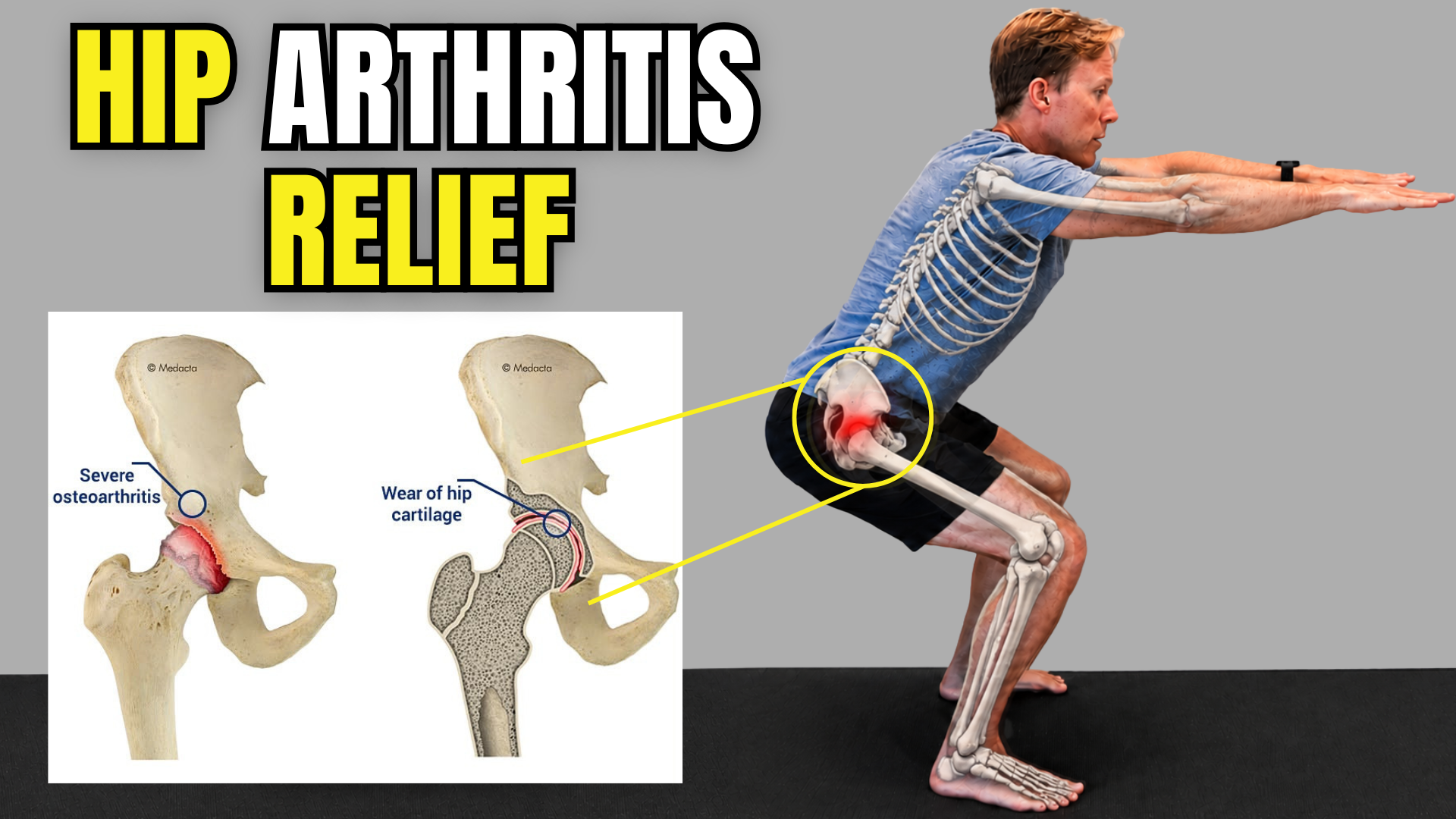
Image from Tom W.'s post

Hi everyone, a new hip arthritis rehab video is available here in the app. Here is a link for the video.

https://membership.rehabscience.com/programs/hip-oa?utm_source=product&utm_medium=share&utm_campaign=content_share&utm_term=4288389&utm_content=mobile

  in  🔶 open-forum
July 31
00:17

📚Rectus femoris is a two joint (biarticular) muscle that crosses both the hip and knee joints. This muscle is technically part of the quadriceps group, but has the ability to create both hip flexion and knee extension due to its attachment points.

🔎The position shown in this video is referred to as the Thomas test and is often used by physical therapists to assess hip flexor and rectus femoris flexibility. But, you can also do it at home with a partner!

🧠The Thomas test position can also be great for stretching rectus femoris and the other hip flexors and can be quite helpful to people with low back pain and/or anterior hip and thigh tightness.

✅In order to maximize the stretch, follow the cues listed below and complete 2 to 4 repetitions with 15 to 30 second holds.

1️⃣Hold the pelvis down in order to limit low back movement.

2️⃣Push the knee down toward the floor gently to create hip extension.

3️⃣Bend the knee slowly to create knee flexion until a moderate stretch is reported by your partner.

  in  🔶 open-forum
July 29

Hi Tom, is there any particular brand/type of "Peanut Tool" I should buy? There are a bunch on Amazon!  Thx!

2
  in  ⚕️ practitioner-questions
July 29

Hi Tom, Do you have any content on pelvic floor? Not speaking of weakness in particular but but also tightness, and in general what I have heard called dysfunction. 

1