Tom W.

Image for the badge Activation.
Activation earned for a 1-day streak!
Image for the badge Control.
Control earned for a 7-day streak!

Posted

14 Jan 10:06

Image from Tom W.'s post

Hi all,

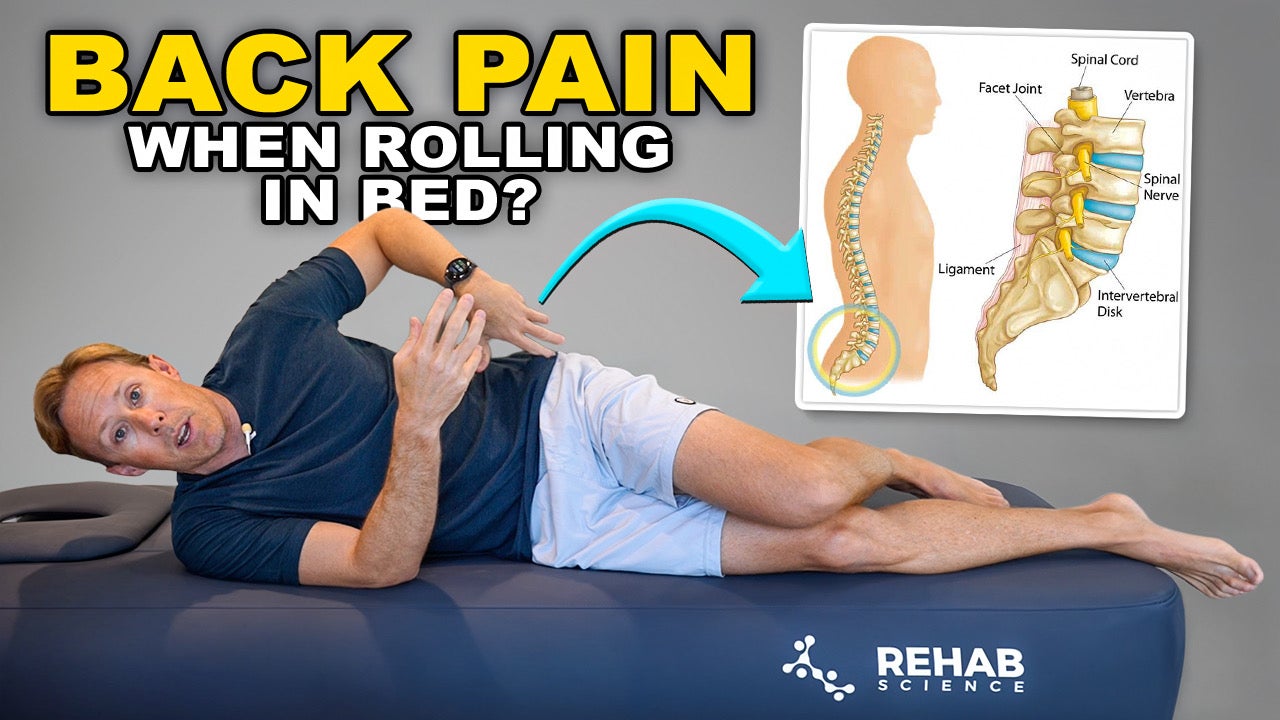
I uploaded a new video on exercises that can help with back pain associated with rolling in bed or getting out of bed. Here is a link for the video.


https://membership.rehabscience.com/programs/back-pain-rolling?utm_source=product&utm_medium=share&utm_campaign=content_share&utm_term=3981518&utm_content=mobile

Posted

13 Jan 11:46

Image from Tom W.'s post

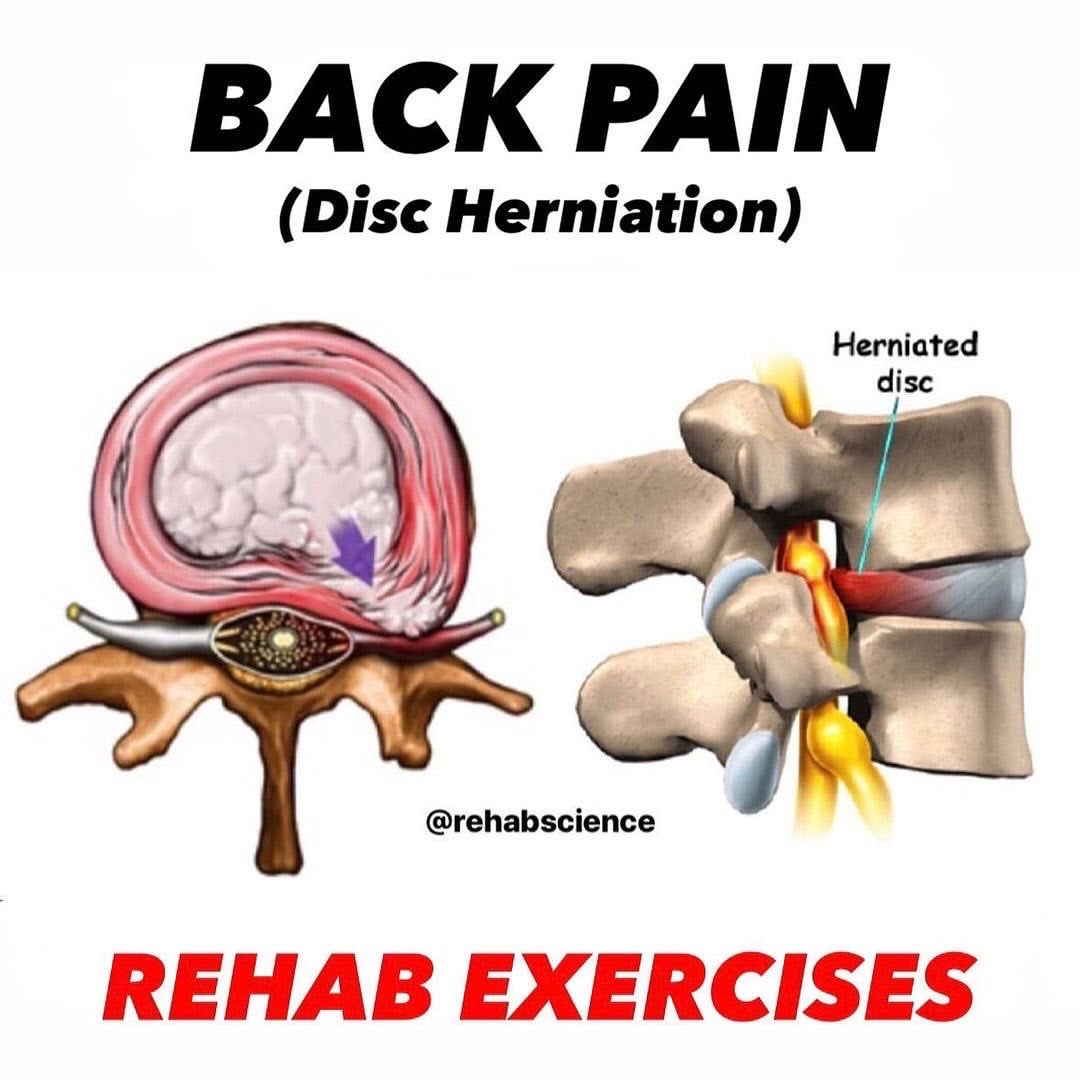
📚Lumbar disc herniations occur when the soft, gel-like center (nucleus pulposus) of a spinal disc in the lower back bulges or leaks through a tear in the tougher outer layer (annulus fibrosus).

🔎When a disc herniates, it may irritate or even mechanically compress nearby nerves, causing pain, numbness, or weakness in the lower back, legs, and sometimes feet. The severity of symptoms varies, with some individuals experiencing mild discomfort, while others suffer from significant neurological deficits depending on the location and extent of the herniation.

🧠It’s important to note that many of us with no pain (asymptomatic) actually have degenerative disc changes and disc herniations that would be visible on an MRI. Furthermore, many disc herniations heal and reabsorb without surgery.

✅If you or one of your clients are suffering from a lumbar disc herniation or disc bulge, I would encourage you to implement the exercise exercises in the nerve pain program here in the membership. Here is a link for that program.

https://membership.rehabscience.com/programs/sciatica?category_id=259689

Posted

11 Jan 15:04

Today's Instagram post was a video from Seattle Science Foundation that looked at the three primary ligaments that stabilize the lateral aspect of the ankle joint, which include: the anterior talofibular ligament (ATFL), calcaneofibular ligament (CFL), and posterior talofibular ligament (PTFL). 

Together, these structures resist excessive inversion and internal rotation of the talus, particularly during weight-bearing and rapid changes in direction.

In an inversion ankle sprain, the ATFL is most commonly injured first due to its orientation and role in stabilizing the ankle in plantarflexion, followed by the CFL with more severe forces. Understanding this ligamentous anatomy helps guide rehabilitation, emphasizing progressive loading, proprioception, and restoring control through ranges where these ligaments are most stressed. 

If you have suffered an ankle sprain or are working with someone who has, I would recommend following the ankle sprain program here in the membership. Here is a link for that program:

https://membership.rehabscience.com/programs/ankle-sprain?category_id=261017&utm_source=product&utm_medium=share&utm_campaign=content_share&utm_term=3805466&utm_content=copy

Posted

09 Jan 14:00

Image from Tom W.'s post

Hi all,

Next week's live office hours session will be on Thursday at 9am PT rather than Wednesday. Please use the link below to RSVP for the live session.

https://membership.rehabscience.com/programs/live-y4nwvwuzou4?category_id=262577&utm_source=product&utm_medium=share&utm_campaign=content_share&utm_term=3977960&utm_content=copy

4

Posted

08 Jan 12:04

Image from Tom W.'s post

Hi everyone!

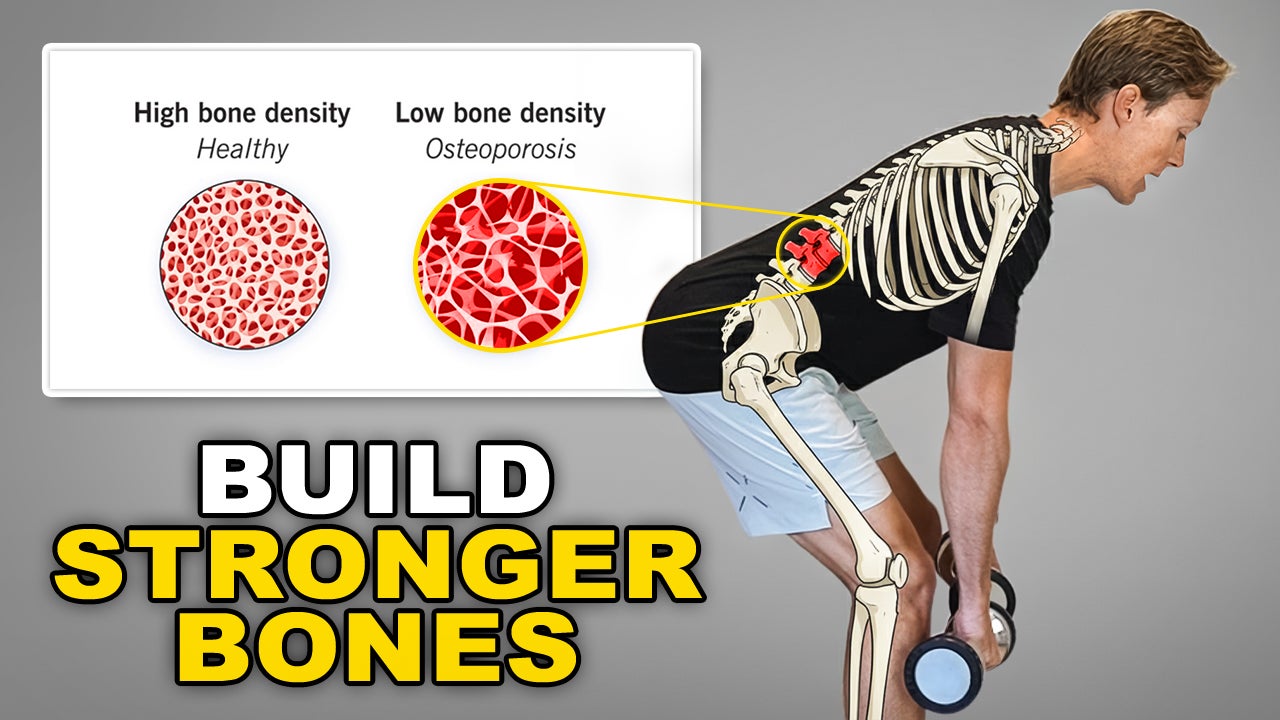
I published a new video this morning on research and exercises that can help improve bone density. Here is a link for the video.

https://membership.rehabscience.com/programs/bone-density?category_id=267144&utm_source=product&utm_medium=share&utm_campaign=content_share&utm_term=3973720&utm_content=copy

4

Posted

07 Jan 10:19

Posted

05 Jan 08:01

Image from Tom W.'s post

Hi everyone,

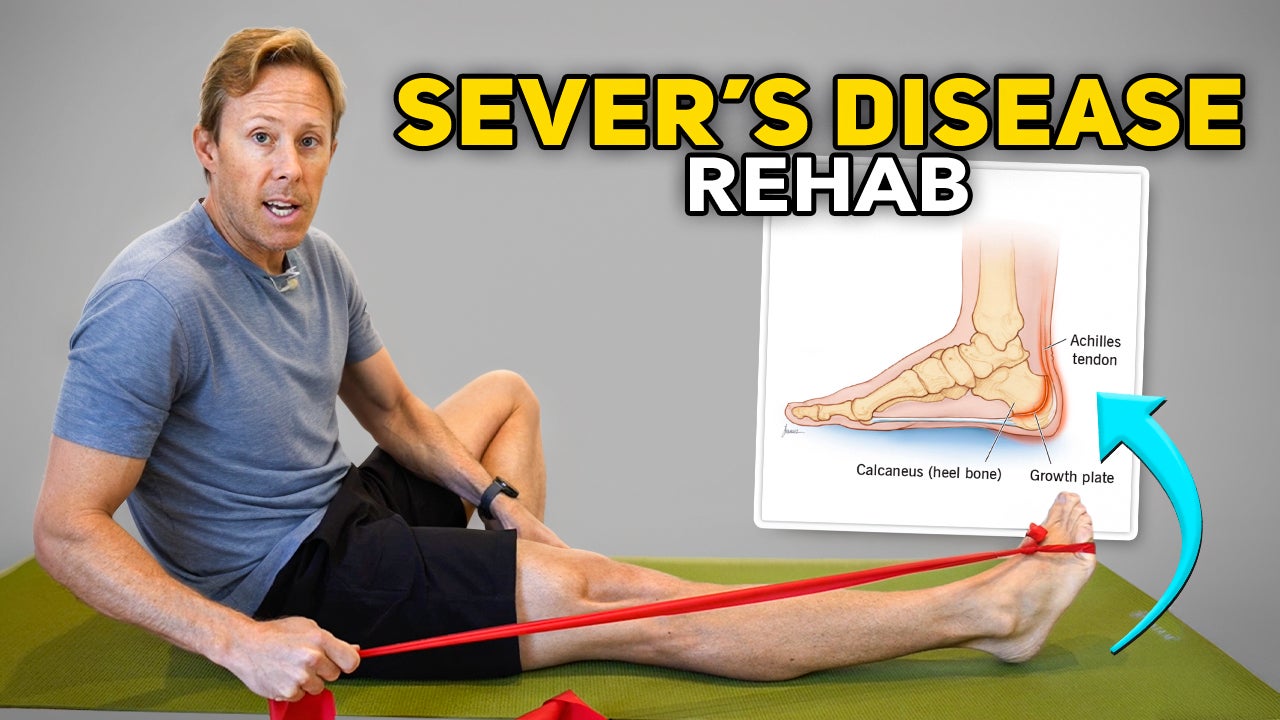
I just published a new video on Sever's disease, which is a cause of heel pain in kids and adolescents. Here is a link for the video, if you want to learn more about how to treat this condition.

https://membership.rehabscience.com/programs/severs-disease?category_id=267144&utm_source=product&utm_medium=share&utm_campaign=content_share&utm_term=3971352&utm_content=copy

Posted

04 Jan 11:38

On Instagram the other day, I covered manual therapy techniques that can help reduce pain related to iliotibial (IT) band syndrome.

The IT band (ITB) is a dense, fibrous band of connective tissue that runs along the lateral thigh from the hip to the knee. ITB syndrome typically manifests as lateral knee pain and is one of the most common overuse injuries occurring in 12-25% of runners and 12.5% of cyclists.

While soft tissue mobilization work can help reduce pain temporarily, our primary focus should be on implementing the appropriate training modifications and therapeutic exercises.

If you are struggling with lateral knee or leg pain or have a patient/client who is experiencing this pain, you might want to consider implementing manual therapy techniques like shown in this video in addition to the exercises in the IT band syndrome program here in the app. Here is a link for that program.

https://membership.rehabscience.com/programs/iliotibial-band-pain?category_id=258965

Posted

29 Dec 12:55

Hi everyone,

I hope you are enjoying the holiday season and have some fun New Year’s plans! I just wanted to let you know that our next live office hours session will be on Wednesday, January 7th at 9am PST. See you then!

Here is a link, if you want to reserve a spot.

https://membership.rehabscience.com/programs/live-74wrqp4jjqg

2

Posted

28 Dec 09:19

Image from Tom W.'s post

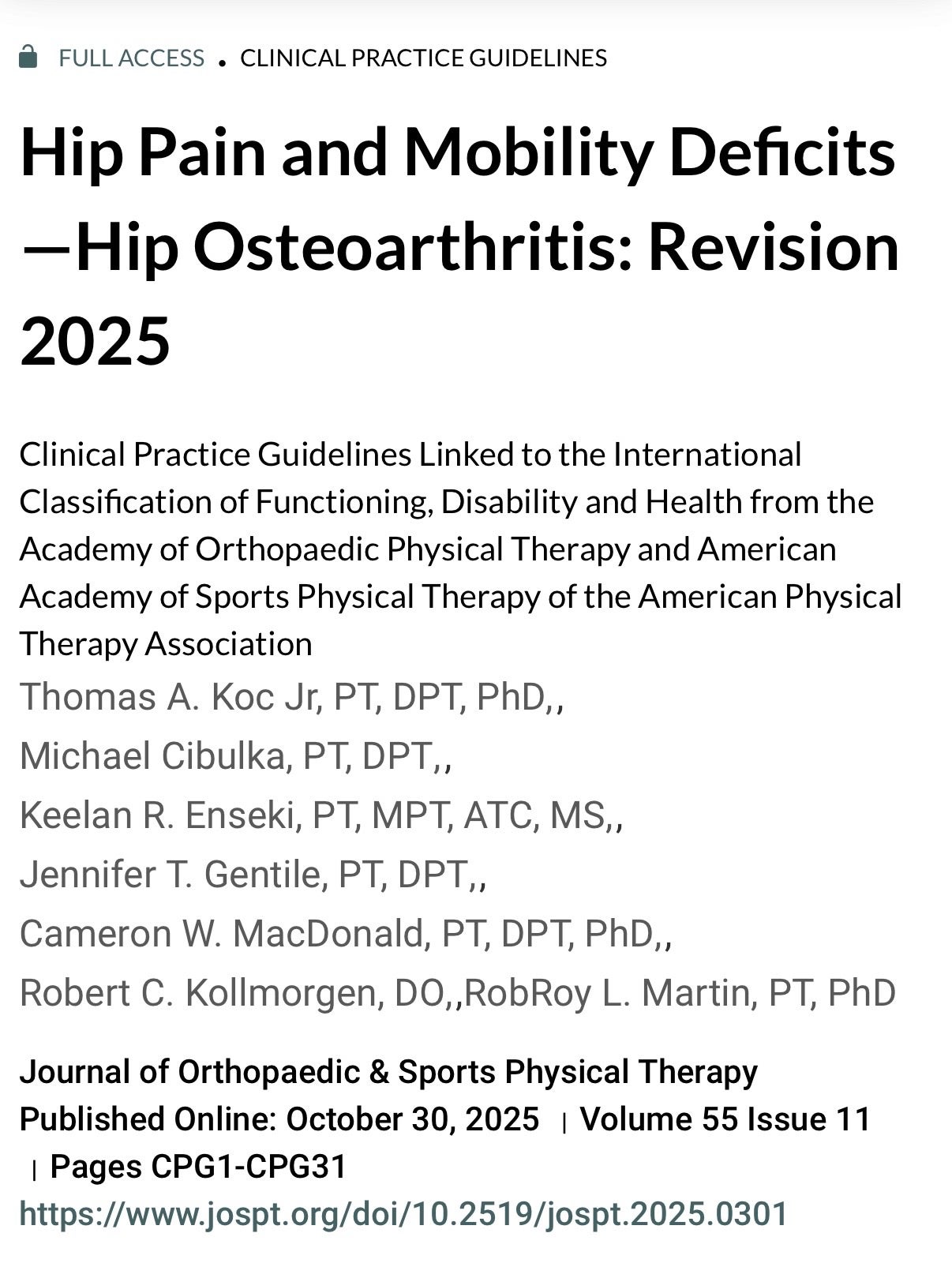
The Journal of Orthopaedic and Sports Physical Therapy produces clinical practice guidelines (CPGs) that cover various common conditions and the evidence surrounding the treatment of that condition. In October of 2025, the hip osteoarthritis CPG was updated.

Here is a link for the article, in case you want to learn more about which interventions have the most research support for treating hip OA.

https://www.jospt.org/doi/10.2519/jospt.2025.0301

2