Happy Halloween, everyone! I hope you have a great weekend!



Posted
Replied on Hi all, here is a recent study on low...
Posted
Hi all, here is a recent study on low back pain and imaging that I thought you might find relevant to your own practices. I have included a link to the full-text study below my summary.
A recent qualitative study published in Musculoskeletal Science & Practice (Lullo G. et al., 2025) explored why patients with non‑specific chronic low back pain (cLBP) often request imaging even when it is not clinically indicated. Three primary themes emerged: (1) a strong desire to “know the cause” of their pain despite recognizing its multifactorial nature; (2) the perception that imaging is necessary when conservative treatments fail; and (3) imaging producing mixed outcomes—some feel reassured, others experience increased anxiety or misleading interpretations. The authors stress the importance of practitioner‑led patient education about the limitations of imaging and the value of movement‑based care.
Clinical Takeaways for Practitioners:
Avoid imaging for low back pain unless red flags are present—use history and exam to triage.
Explicitly discuss incidental findings with patients to prevent structural‑deficit thinking and unnecessary interventions.
Emphasize movement, load progression, and functional recovery to shift focus away from imaging and toward active rehabilitation.
Commented on Newb question. Why are some videos u...
Replied on Meniscus Injury
Replied on 👋 Welcome to the Rehab Science Community!
Replied on If you're a new practitioner to the c...
Posted
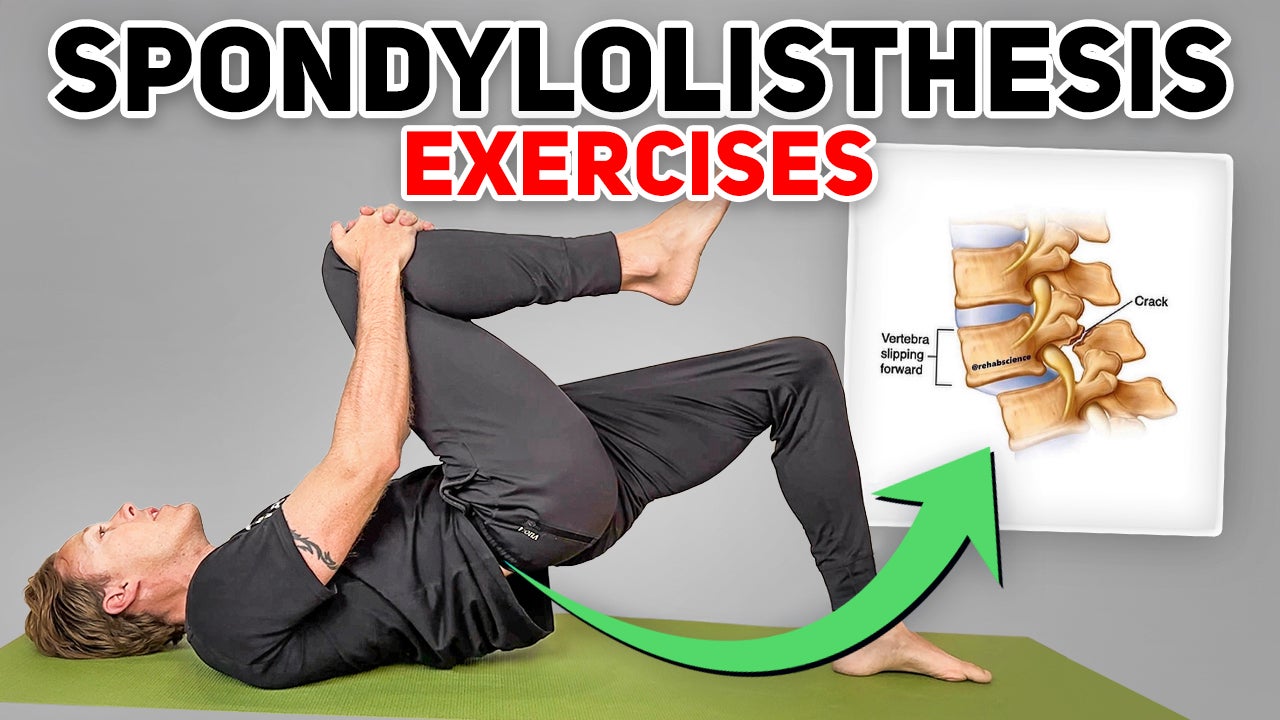
I uploaded a new spondylolisthesis rehab program in the back section a couple of days ago. Here is the link, if you didn't see it.
https://membership.rehabscience.com/programs/spondylolisthesis?offset=48&cid=4439935
Posted
Hi everyone,
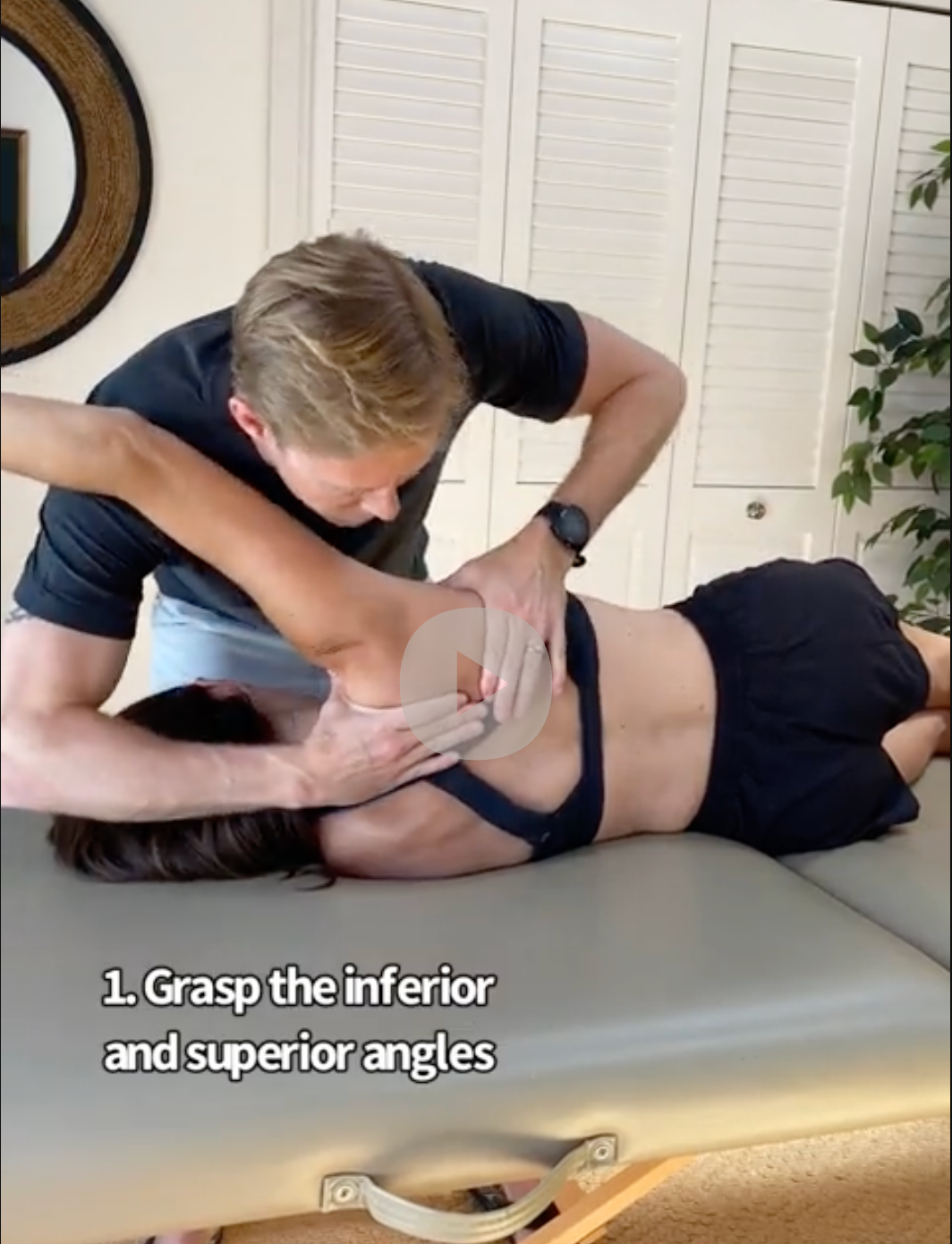
Here’s a great technique for improving scapular upward rotation in individuals with limited mobility or pain when reaching overhead that I covered on Instagram today.
When reaching overhead, approximately 45 to 60° of the total motion comes from upward rotation of the scapula or shoulder blade.
Limited scapular upward rotation may apply extra stress to other shoulder structures including the rotator cuff tendons, which could result in pain and limited function.
Here is a link, so that you can watch a video of the mobilization. https://www.dropbox.com/scl/fi/gwx2j2kr5bzjr1eqo25le/Scapular-Upward-Rotation-Mobilization.mov?rlkey=w4okugt8s7ttkqavv6t01mbrv&st=a9r9lrxe&dl=0
Replied on Prone Reach
01 Nov 14:01
Hi Linda, While the infrasternal angle can vary from one person to another, this isn't something we can permanently change with exercise. The cartilaginous connections between the lower ribs and the sternum allow for movement, especially during breathing, but exercise will not permanently alter the resting posture of this region or the associated angle. This is something we see fairly often in the posture and exercise research. The infrasternal angle will naturally increase during inhalation and there are some theories that the angle may increase when the external obliques are weak or inactive. It may be that having your patients/clients engage their external obliques can help prevent the infrasternal angle from increasing during spinal rotation exercises and/or movements.