Here is a link for the replay of today's office hours session. I talked with Deb and Linda who are both practitioners and they shared a ton of good insights about movement, rehab and pain!

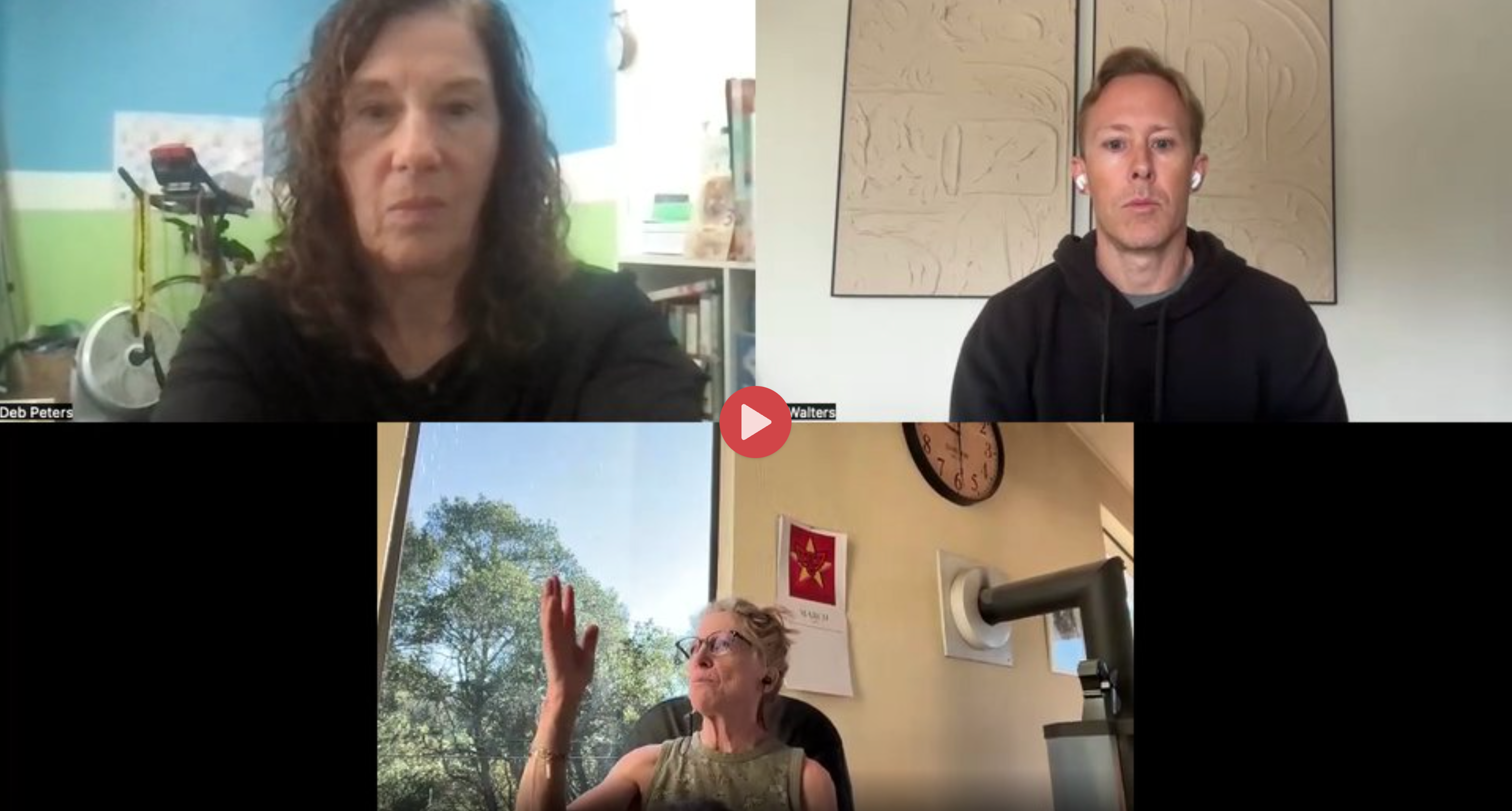
Here is a link for the replay of today's office hours session. I talked with Deb and Linda who are both practitioners and they shared a ton of good insights about movement, rehab and pain!
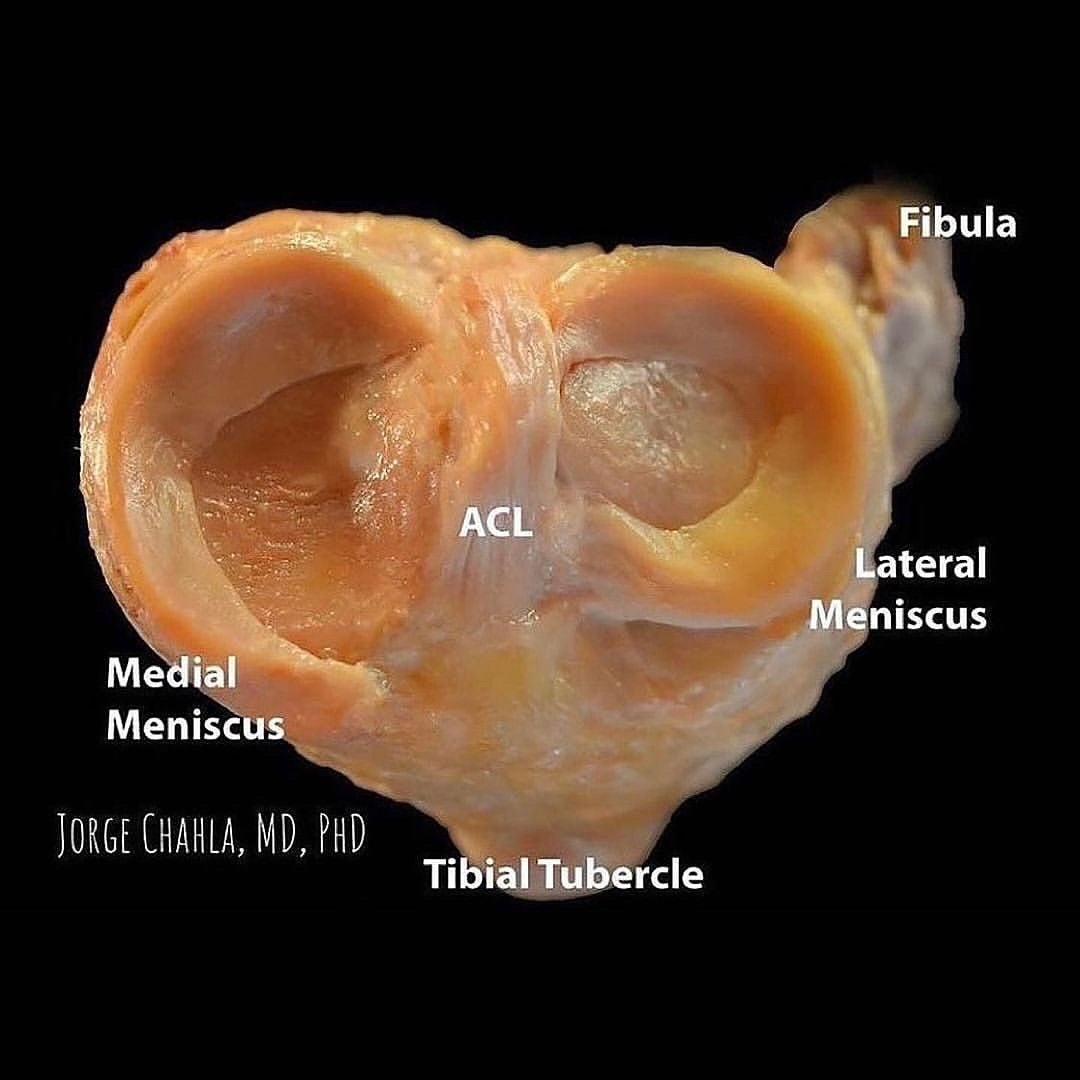
The knee joint contains a lateral and medial meniscus, which act as shock absorbers and force transducers. The menisci possess a slight concavity, which improves the fit between the femur and tibia and enhances overall joint stability.
Meniscus injuries can be traumatic or degenerative in nature and are more common in athletes that participate in sports that involve twisting on a planted foot (soccer, basketball, volleyball, etc).
Symptoms associated with a meniscus injury are usually reported as knee pain, catching, locking, buckling of the knee or any combination of these symptoms.
It should also be noted that a large percentage of the asymptomatic population have meniscus tears on MRI and experience no symptoms. So, don’t immediately get worried if you see evidence of meniscus changes on an MRI. Instead, focus on improving your level of function and reducing pain. Many meniscus issues can be resolved with non-surgical care.
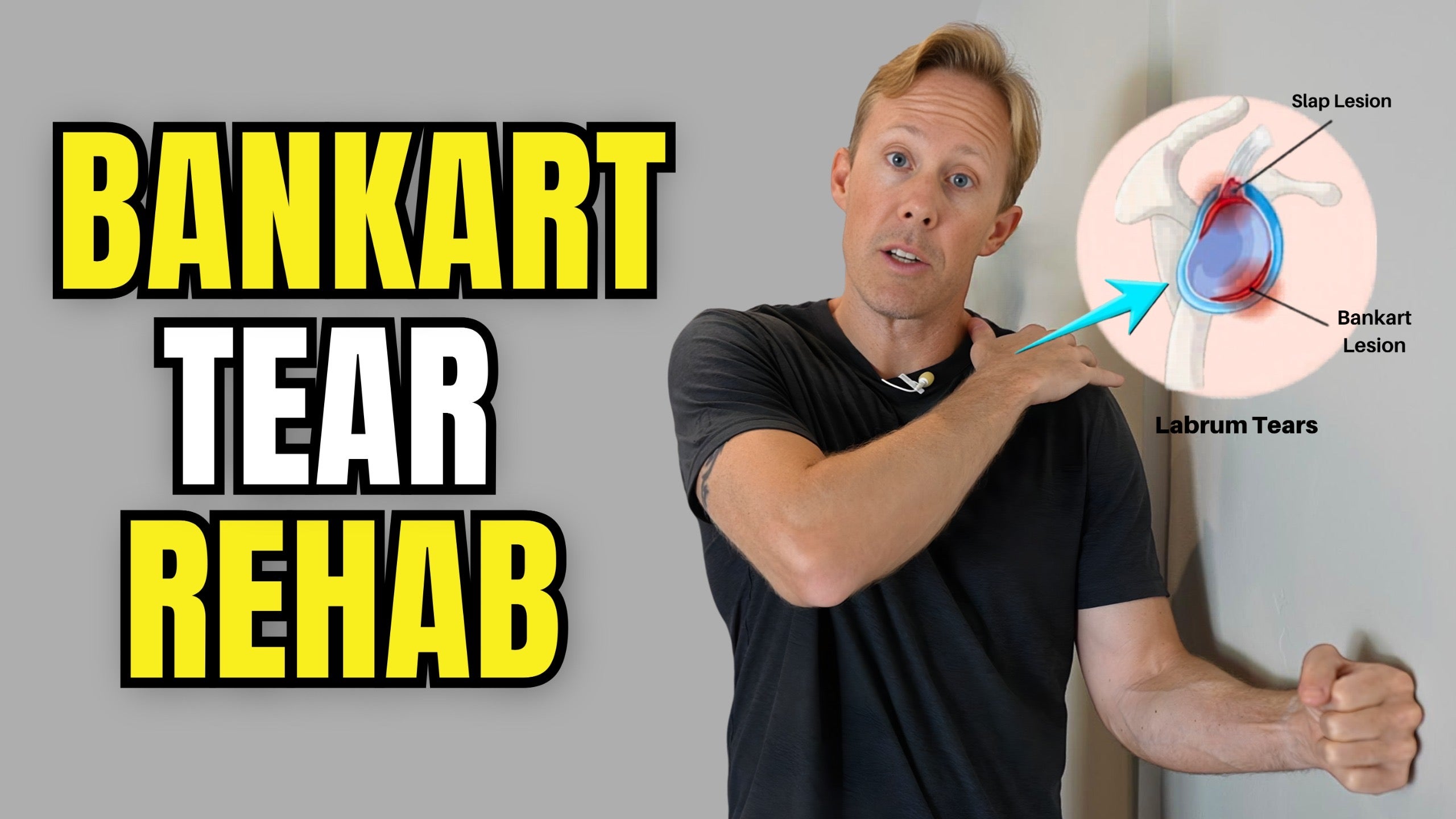
A new video on bankart shoulder injuries is available here in the app. If you have ever dislocated your shoulder or if your shoulder clicks and feels loose, these are good exercises to implement.
Hi everyone! I just wanted to make sure you know that you can post here in the community or send me a direct message, if you ever have a question.
If the question is more personal, then the DM function is a great option. Here is a link for that area of the app.
https://membership.rehabscience.com/community/direct_messages/chats
If the question is something you don't mind others seeing, then the community area is a great place to ask, so that everyone can learn together.
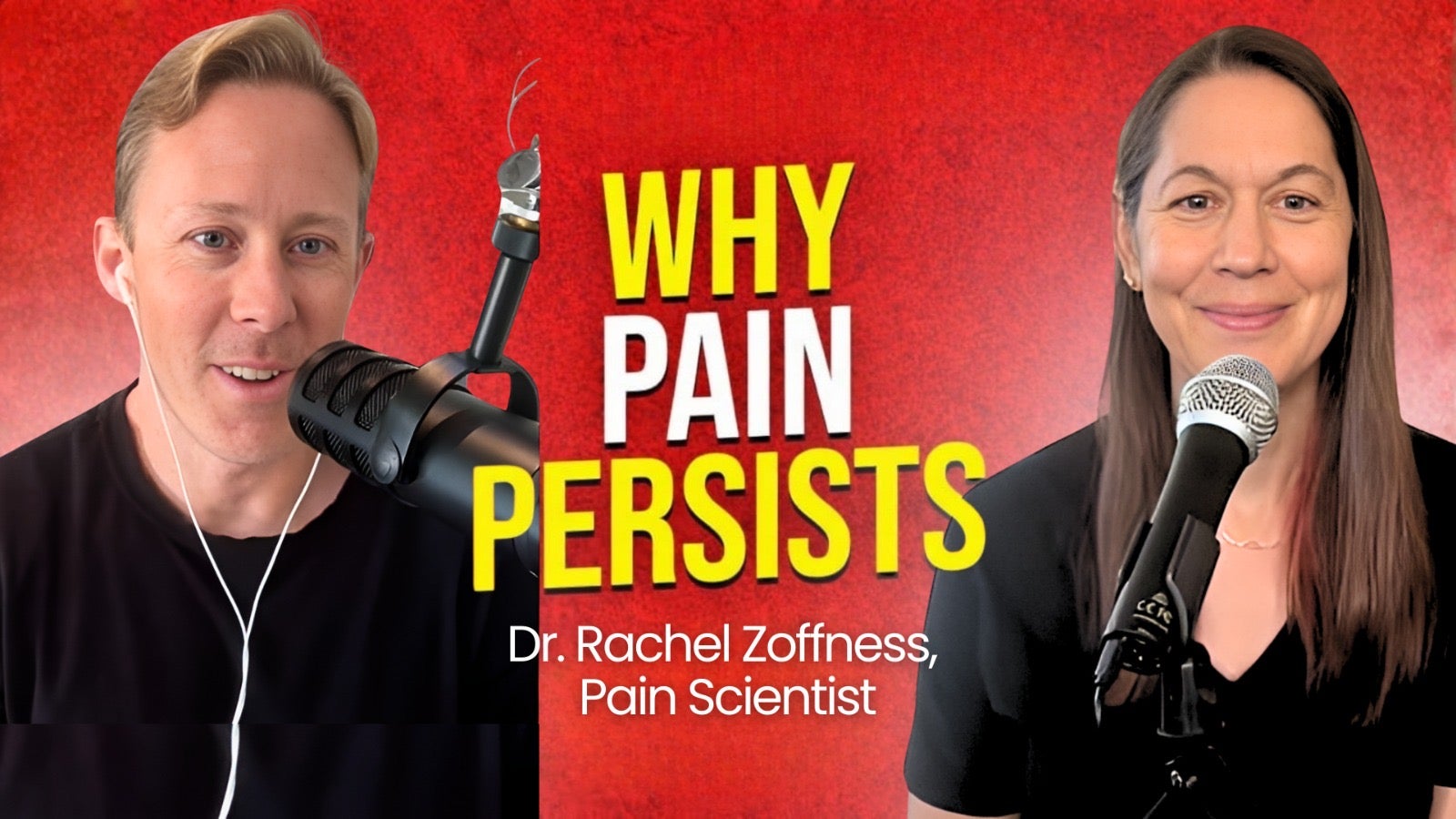
I interviewed pain psychologist, Dr. Rachel Zoffness, PhD, on my podcast earlier this week and I really think you would enjoying learning more from her about how our thoughts and emotions can influence pain. Whether you are a practitioner or someone suffering from pain, Dr. Zoffness shares so many incredible insights and strategies to think about in your own life.
Here is a link for the episode, which you can find in the new 'Podcasts' section here in the membership.
Hi everyone,
Here is the replay from today's office hours session. Thank you to everyone that attended!
Here is the link for this week's office hours session. If you aren't able to attend and have a question, please feel free to comment on this post or send my a private message at any time.
📚The median nerve begins at the neck, like our other peripheral nerves of the upper extremity, and receives contributions from many nerve roots (C5-T1). The nerve then courses down the arm, giving sensation to the palm side of the hand, the thumb, index, middle and the lateral half of the ring finger. It also provides motor input to most of the muscles that move our wrist and fingers into flexion (imagine making a fist).
🔎In terms of pathology, most of us would think of carpal tunnel syndrome when discussing the median nerve. The median nerve is the only nerve that passes through the carpal tunnel, which is the most common site for developing a compression neuropathy in the human body. Besides carpal tunnel syndrome, some people with general neck pain find this mobilization to be helpful.
1️⃣The exercise shown here is a ‘slider’ mobilization for the median nerve, which is intended to help it move (10–15 reps, perform several times each day).
✅The carpal tunnel syndrome program here in the app, will teach you more exercises for the median nerve.
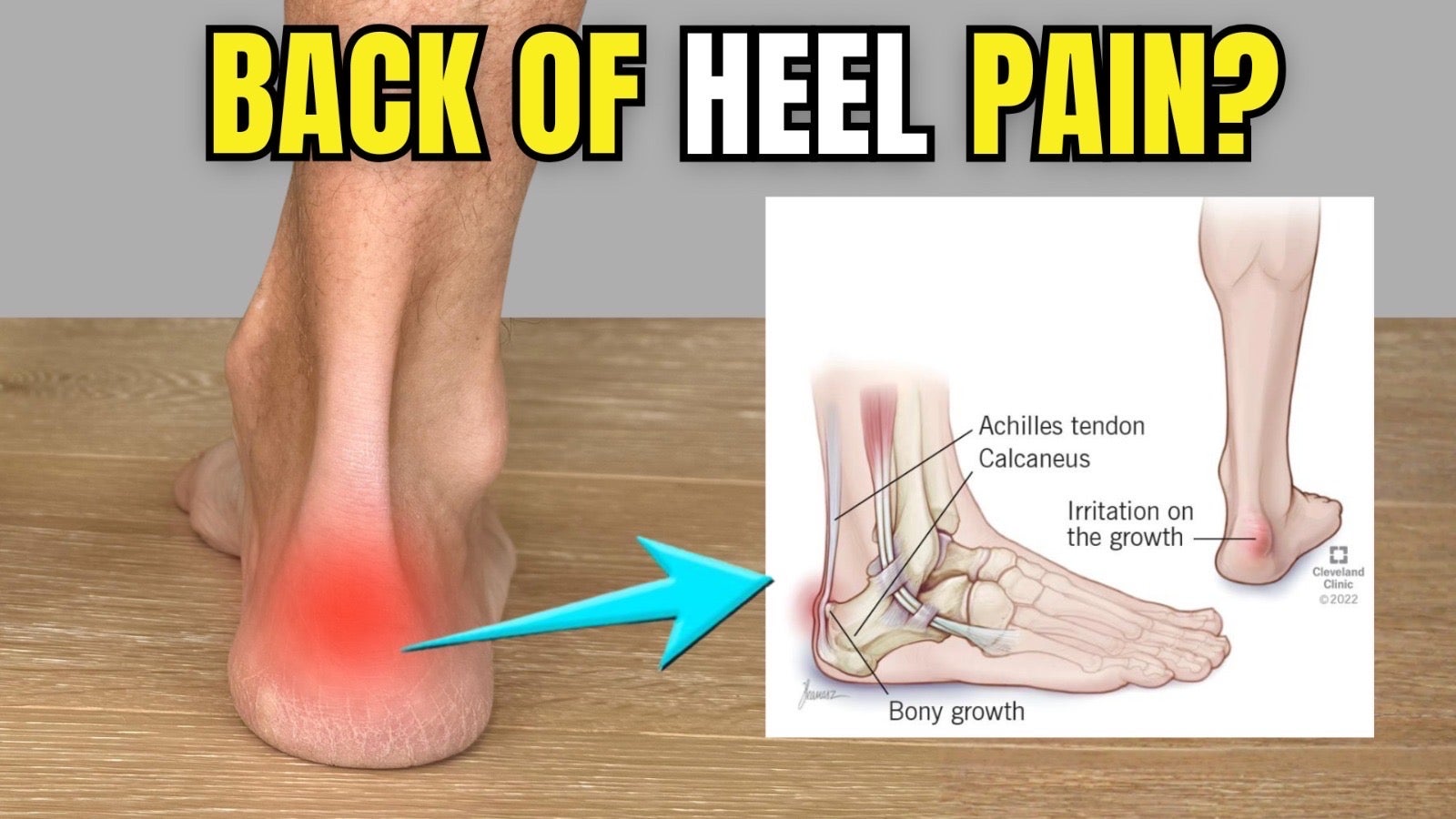
Hi everyone! A new posterior heel pain video is available under the ‘Quick Rehab Sessions’ category.
📚The hamstrings are a group of three muscles located at the back of the thigh, responsible for knee flexion and hip extension.
🔎The medial hamstrings include the semitendinosus and semimembranosus, which run along the inner portion of the thigh. These muscles originate from the ischial tuberosity of the pelvis and insert on the tibia, contributing to knee flexion, internal rotation of the leg, and hip extension.
🧠The biceps femoris, the lateral hamstring muscle, has two heads: a long head that originates from the ischial tuberosity and a short head that originates from the femur. Both heads insert on the fibula, making this muscle unique from the medial hamstrings. The biceps femoris is primarily responsible for knee flexion and external rotation of the leg, with the long head also contributing to hip extension.
✅Strengthening both the medial and lateral hamstrings is crucial for knee stability and overall lower-body function. In the hip and knee sections here in the app, you will find a hamstring rehab program.