A new video on exercises to promote shoulder stability is available here in the app. Here is a link for the video.

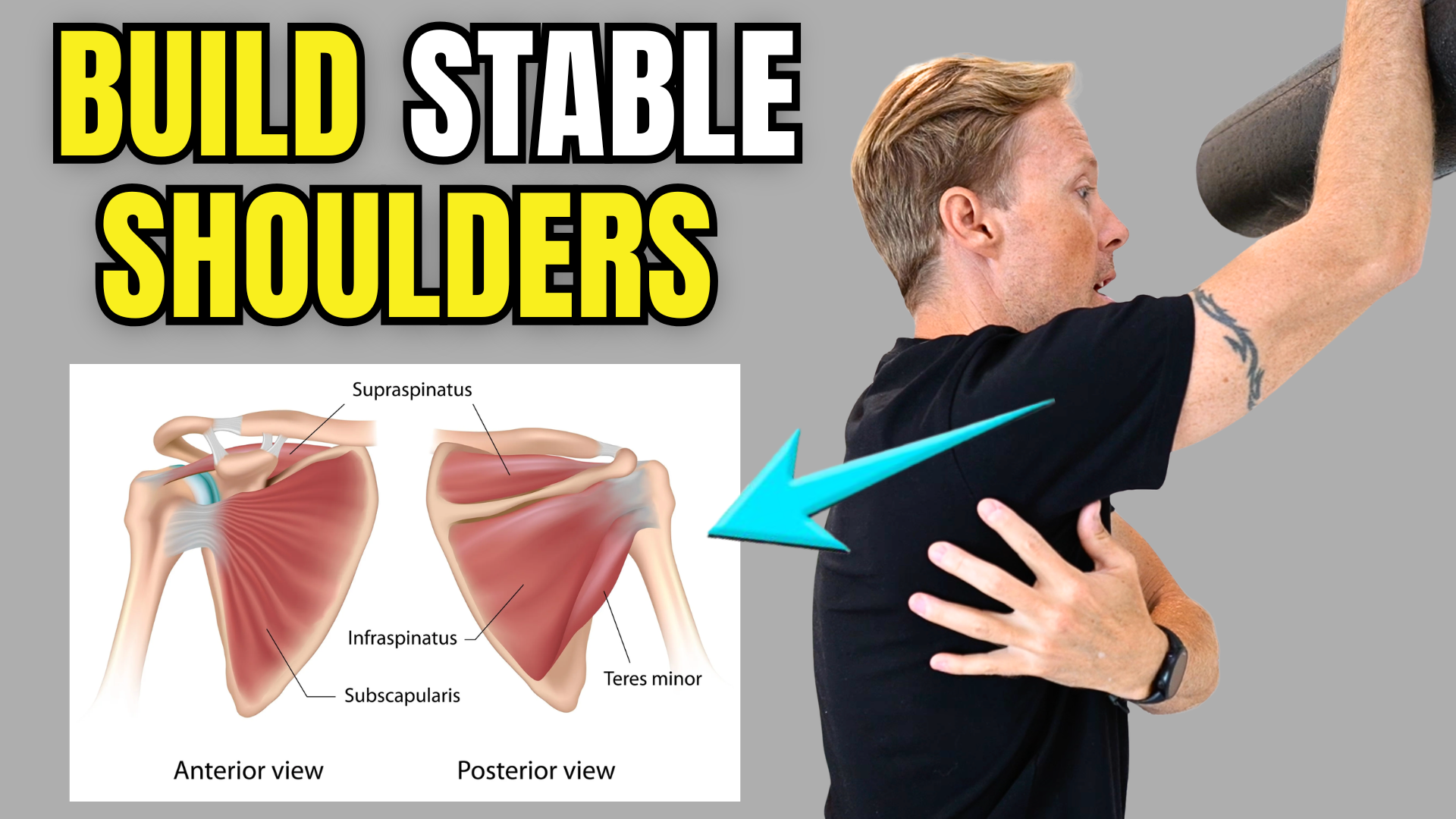
A new video on exercises to promote shoulder stability is available here in the app. Here is a link for the video.
📚The rhomboid muscles (rhomboid major and minor) are located between the shoulder blades and the spine and work to retract, inferiorly rotate and elevate the scapulae.
🔎Rhomboid minor is located just above rhomboid major and runs from the spinous processes of C7-T1 to the medial end of the scapular spine. Rhomboid major runs from the spinous processes of T2-5 to the medial scapular border. Both muscles are innervated by the dorsal scapular nerve (C5).
👉The rhomboids are thought to be a common myofascial source of mid-back pain and/or tightness. As such, a bit of targeted soft tissue mobilization work in this area can often greatly help reduce symptoms.
🧠It is also important to note that rhomboid region pain is often related to thoracic spine and rib issues and can even be referred from the neck. So, if your pain continues to return and is only temporary reduced with soft tissue work, make sure to see a practitioner who can assess these other regions for a possible contribution.
📚The radial nerve is one of the three major peripheral nerves of the upper extremity and supplies the posterior arm and forearm.
🔎More specifically, the radial nerve provides motor innervation to the triceps and the wrist/finger extensor muscles. The nerve also relays sensory input from most of the back of the hand and fingers (except the pinky and medial half of the ring finger).
🧠The two mobilizations demonstrated in this post can be useful for individuals who are experiencing pain, numbness or tingling in the back of the hand, especially near the thumb, index and middle finger.
1️⃣Sliders involve placing one end of the nerve on tension while the other end is slack. In this example, when the wrist is flexed (nerve on tension at the wrist), the neck is laterally flexed toward the arm (nerve on slack at the neck). Then, the neck and wrist positions switch, which creates the sliding movement of the nerve. Try alternating back and forth 10-15 times and use the technique whenever you are experiencing nerve symptoms (pain, tingling, numbness).
2️⃣Next, we see a ‘tensioner’ position where the nerve is put on tension across its entire path. In this position, you will likely experience a neural ‘stretch’, which can feel slightly different than a muscle stretch. Tensioners can be held for several seconds and are usually implemented once the person’s symptoms are no longer acute.
✅A nerve pain program can be found here in the app in the head and neck section. Here is a link for that program.
https://membership.rehabscience.com/programs/neck-nerve-pain?category_id=260344
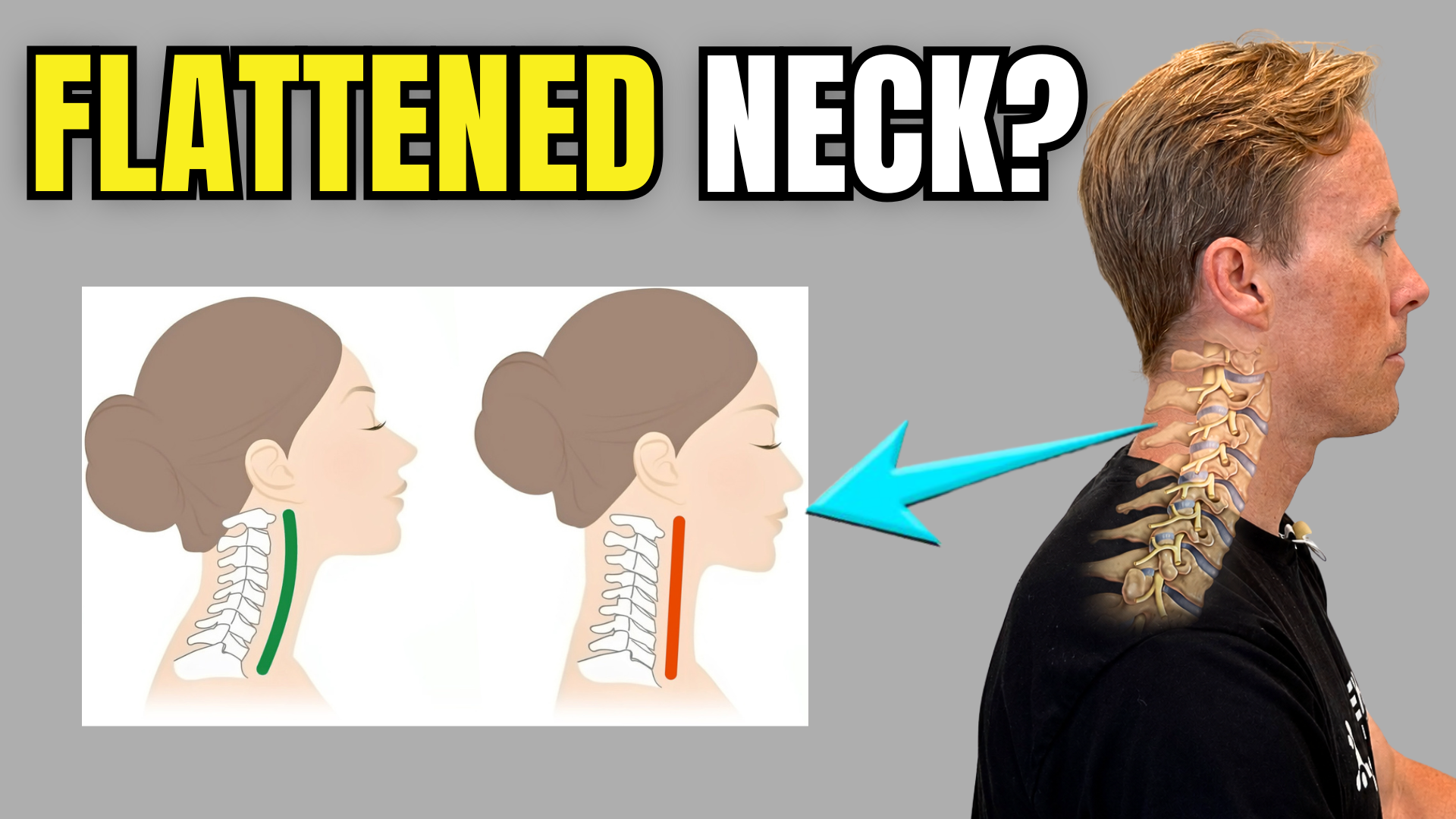
Hi everyone,
A new video looking at a loss of the cervical lordosis or a flattening of the neck curve and exercises that can help reduce pain is now available. Here is a link for the video.
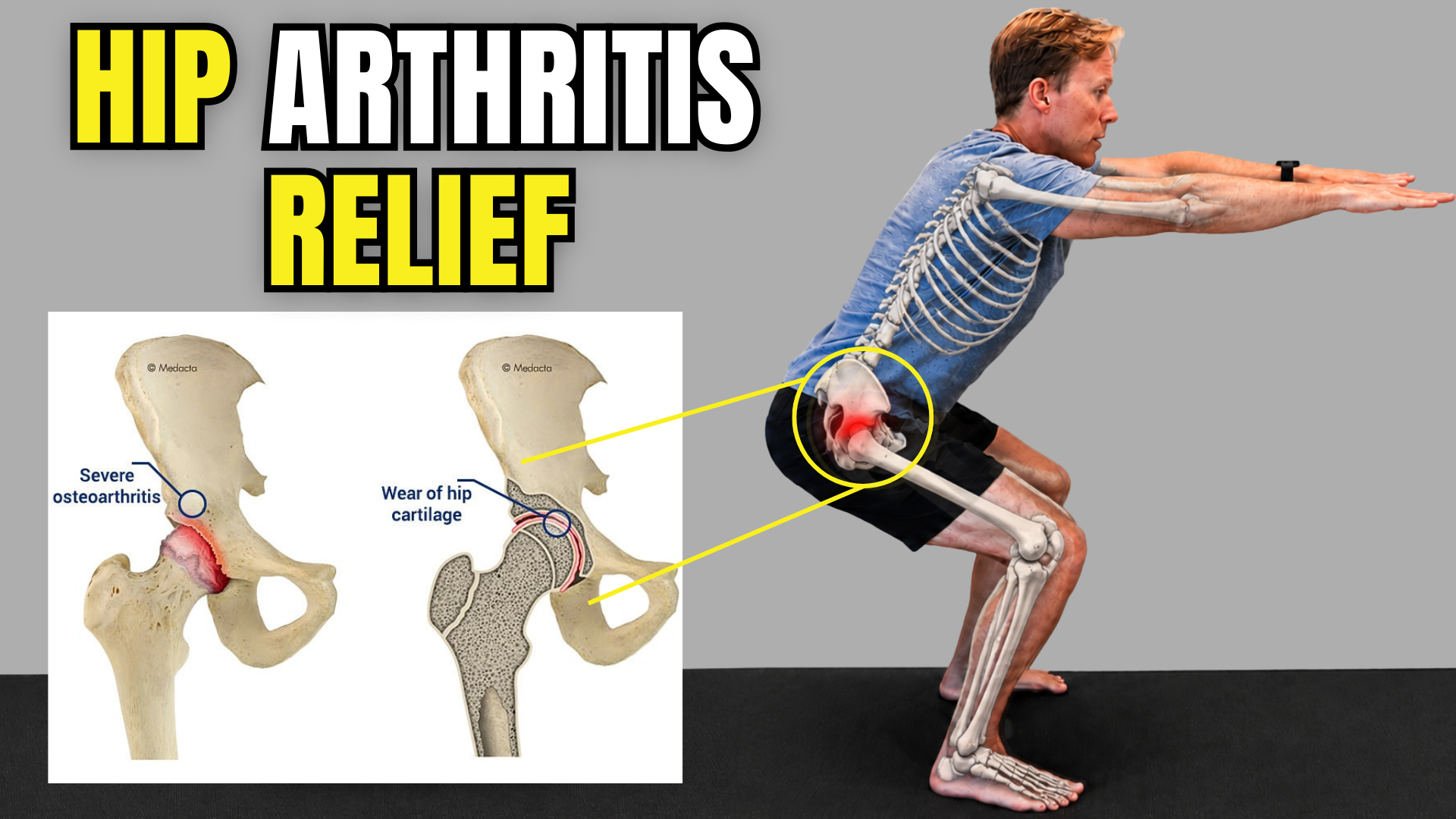
Hi everyone, a new hip arthritis rehab video is available here in the app. Here is a link for the video.
📚Rectus femoris is a two joint (biarticular) muscle that crosses both the hip and knee joints. This muscle is technically part of the quadriceps group, but has the ability to create both hip flexion and knee extension due to its attachment points.
🔎The position shown in this video is referred to as the Thomas test and is often used by physical therapists to assess hip flexor and rectus femoris flexibility. But, you can also do it at home with a partner!
🧠The Thomas test position can also be great for stretching rectus femoris and the other hip flexors and can be quite helpful to people with low back pain and/or anterior hip and thigh tightness.
✅In order to maximize the stretch, follow the cues listed below and complete 2 to 4 repetitions with 15 to 30 second holds.
1️⃣Hold the pelvis down in order to limit low back movement.
2️⃣Push the knee down toward the floor gently to create hip extension.
3️⃣Bend the knee slowly to create knee flexion until a moderate stretch is reported by your partner.

Hi Tom, is there any particular brand/type of "Peanut Tool" I should buy? There are a bunch on Amazon! Thx!
📚The elbow is composed of the humeroulnar, humeroradial (shown here) and proximal radioulnar joints.
🔎The humeroradial and humeroulnar joints allow the elbow to move through approximately 150 degrees of flexion (bending) and full extension (straightening).
🧠The humeroradial joint is made up of the concave radial head and convex capitulum portion of the humerus bone.
✅In the elbow section of the app, you will find three elbow rehab programs for tennis elbow, golfers elbow, and triceps tendinopathy.
📚The term shoulder impingement was traditionally used to describe shoulder pain that was thought to result from the rotator cuff tendons or subacromial bursa being “pinched” beneath the acromion.
🔎People with subacromial pain syndrome often experience pain when lifting the arm out to the side or overhead, with symptoms commonly occurring during the painful arc shown in the first image of today’s post.
🧠Today, many clinicians prefer the term subacromial pain syndrome because research has shown that structural “impingement” alone does not fully explain why symptoms develop. Many people have narrowing of the subacromial space or rotator cuff changes without any pain, while others develop symptoms despite minimal structural findings. Instead, pain is thought to result from a combination of factors including tendon loading capacity, muscle function, movement patterns, and nervous system sensitivity.
💪The good news is that most people improve with a progressive rehabilitation program focused on restoring shoulder strength, improving tolerance to movement, and gradually returning to overhead activities.
✅The app contains a comprehensive, 3-phased program for subacromial pain syndrome that will guide you through the rehabilitation process. Click the link below to access this program.
https://membership.rehabscience.com/programs/shoulder-pain?category_id=259882