Tom W.

Image for the badge Activation.
Activation earned for a 1-day streak!
Image for the badge Control.
Control earned for a 7-day streak!

Posted

21 Oct 10:22

Posted

20 Oct 12:31

01:00

📚 Plantar fasciopathy (PF) is one of the most common causes of heel pain and can affect both sedentary and active individuals. The pain is typically felt near the front of the heel, where the plantar fascia attaches to the calcaneus (heel bone).

🧠 Symptoms often include sharp or aching heel pain with the first few steps in the morning or after sitting for a while. Pain may ease as you get moving but return with prolonged standing, walking, running, or other weight-bearing activities.

🔎 PF can develop when the demands placed on the foot exceed its current capacity to tolerate them. Running volume, prolonged weight-bearing, body mass, and individual differences in foot and ankle function may all play a role. However, there is no single foot type or biomechanical characteristic that explains every case.

🔎 Here are three foot-focused drills that may help manage symptoms and rebuild your tolerance to loading.

1️⃣ Soft Tissue Mobilization: Using a ball, as demonstrated in the first video, may temporarily reduce pain or sensitivity in the bottom of the foot. Roll gently back and forth for 30–60 seconds. This is an optional symptom-management strategy, not a requirement for recovery.

2️⃣ Plantar Fascia and Calf Stretching: Extending the toes while gently stretching the ankle and calf places tension on the plantar fascia and surrounding tissues. Hold for 20–30 seconds and repeat as tolerated. You can also perform a plantar fascia-specific stretch by pulling the toes back toward the shin while supporting the heel.

3️⃣ Progressive Plantar Fascia Loading: This is an important part of rebuilding the foot’s capacity to tolerate everyday activities and higher-demand tasks like running. Placing a towel beneath the toes during a calf raise increases tension on the plantar fascia as you lift your heel.

Start with a manageable resistance and perform 3 sets of 8–12 slow repetitions every other day, adjusting the load to your current capacity. Gradually increase the resistance as your tolerance improves. Some discomfort may be acceptable, but if pain increases substantially or your first-step pain is worse the following morning, reduce the load or range of motion.

3

Posted

19 Oct 11:28

00:18

🔎 Ankle sprains are among the most common musculoskeletal injuries. Although many people recover well, some experience persistent pain, stiffness, instability, and difficulty with walking or physical activity. A previous ankle sprain is also a significant risk factor for future sprains.

🧠 Shown in this post are some of my favorite exercises for improving ankle strength, balance, and neuromuscular control. Incorporating these types of exercises into a progressive rehabilitation program can help restore function and reduce the risk of recurrent ankle sprains.

✅ A more comprehensive ankle sprain program can be found here in the app. Here is a link for this program.

https://membership.rehabscience.com/programs/ankle-sprain?category_id=261017

Posted

16 Oct 10:34

Image from Tom W.'s post

Hi everyone!

My interview with functional podiatrist, Dr. Emily Splichal, DPM, is now available here in the app. If you’re interested in foot health, this is a great one to watch!

https://membership.rehabscience.com/programs/emily-splichal?utm_source=product&utm_medium=share&utm_campaign=content_share&utm_term=4395784&utm_content=mobile

2

Posted

15 Oct 08:57

00:20

👉Posterior chain exercises like these have been shown to be more effective than general resistance training and less specific movements, like walking, when combatting chronic low back pain.

🔎While general exercise has been shown to have a significant positive impact on pain, disability and strength, posterior chain strengthening was shown in this study (see citation at bottom of post) to be even more powerful, especially when done over a longer time interval (12-16 weeks vs 6-8 weeks).

🧠As a clinician who often treats individuals with chronic low back pain, I have seen how helpful resistance training exercises that target the posterior chain (glute bridges, hip thrusts, hamstring curls, supermans, deadlifts, etc) can be for people with persistent back pain.

✅I don’t think this research means we should get rid of general resistance training or walking as a treatment for low back pain, but I do think it means we should make sure to emphasize movements that target posterior chain muscle groups when combatting back pain.

📚Tataryn N, et al. Posterior-Chain Resistance Training Compared to General Exercise and Walking Programmes for the Treatment of Chronic Low Back Pain in the General Population: A Systematic Review and Meta-Analysis. Sports Med Open. 2021.

Posted

14 Oct 09:24

Posted

12 Oct 08:15

00:21

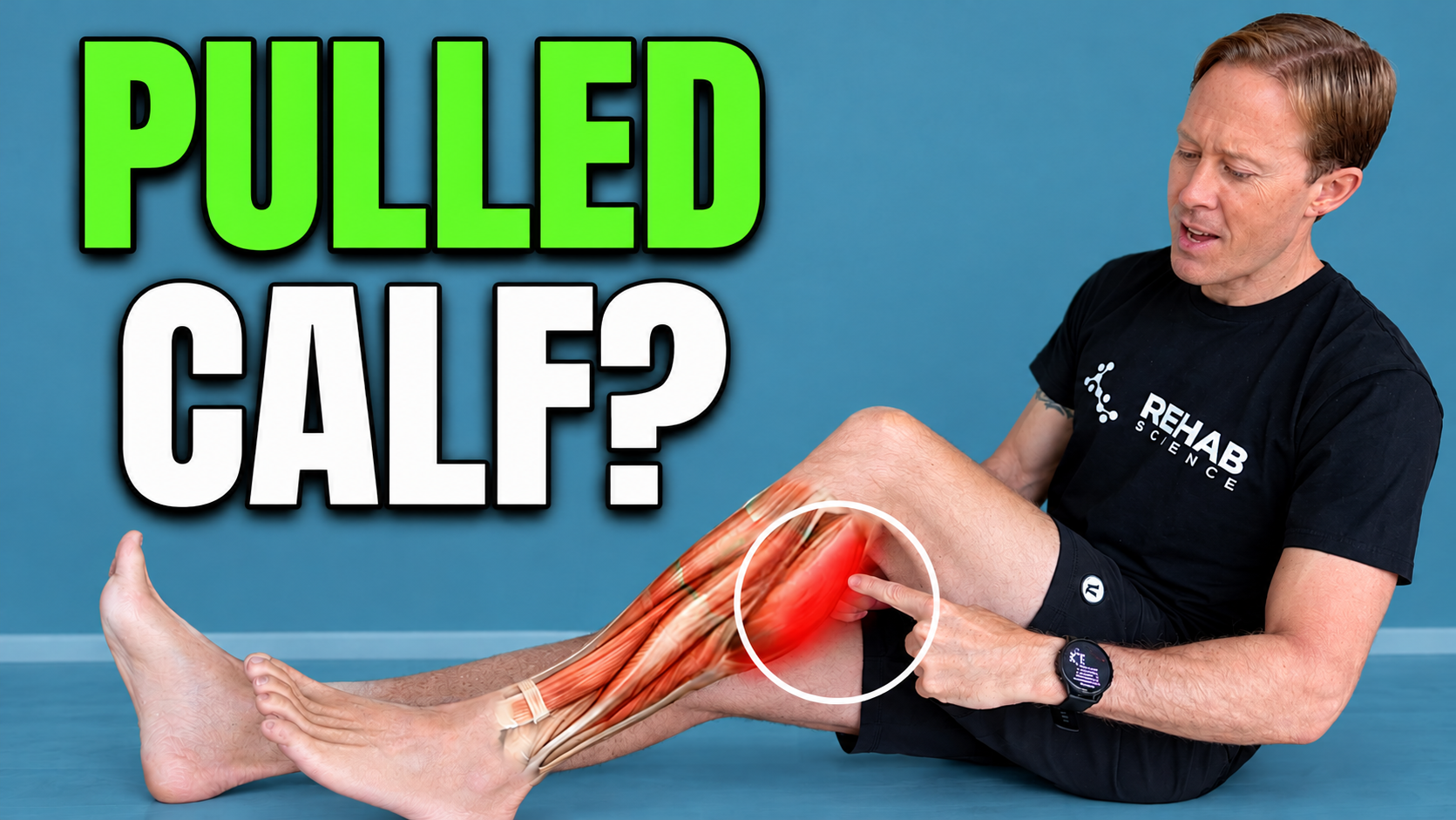
🔎The calf muscle complex includes both the gastrocnemius and soleus muscles as they work together to move the ankle through plantarflexion. These muscles are heavily recruited during activities like running, hiking, walking and cycling, which is also where people tend to report pain.

🧠A bit of soft tissue work like shown here that is used in conjunction with calf strengthening (see my other posts on this) can greatly help reduce pain and get you back to doing your favorite activities again.

✅You can also self-massage your calf with a foam roller or similar tool. The calf and achilles tendon pain program here in the app shows how to treat calf pain and injuries on your own. Click the link below to access this program.

https://membership.rehabscience.com/programs/achilles-tendinopathy?category_id=261017

Posted

09 Oct 15:16

Image from Tom W.'s post

Hey everyone!

The replay from today’s office hours session is now available. Thank you to everyone that joined!

https://membership.rehabscience.com/programs/100926-d2190c?utm_source=product&utm_medium=share&utm_campaign=content_share&utm_term=4389118&utm_content=mobile

5

Posted

09 Oct 11:47

00:24

📚Supination and pronation are the two primary rotational movements of the forearm. Supination turns the palm upward, while pronation turns the palm downward.

🔎The proximal and distal radioulnar joints, along with the interosseous membrane, provide the anatomical foundation for these movements. In supination, the radius and ulna lie parallel, whereas in pronation, the radius crosses over the ulna.

🧠Muscles driving these actions include the biceps brachii and supinator for supination, and pronator teres and pronator quadratus for pronation. Together, these movements are essential for functional tasks like turning a doorknob, using tools, or typing on a keyboard.

✅For mobility and strengthening exercises that target these movements and associated muscles, I would recommend following the wrist pain program here in the app. Here is a link for this program.

https://membership.rehabscience.com/programs/wrist-pain?category_id=260466

Posted

07 Oct 09:42

Image from Tom W.'s post

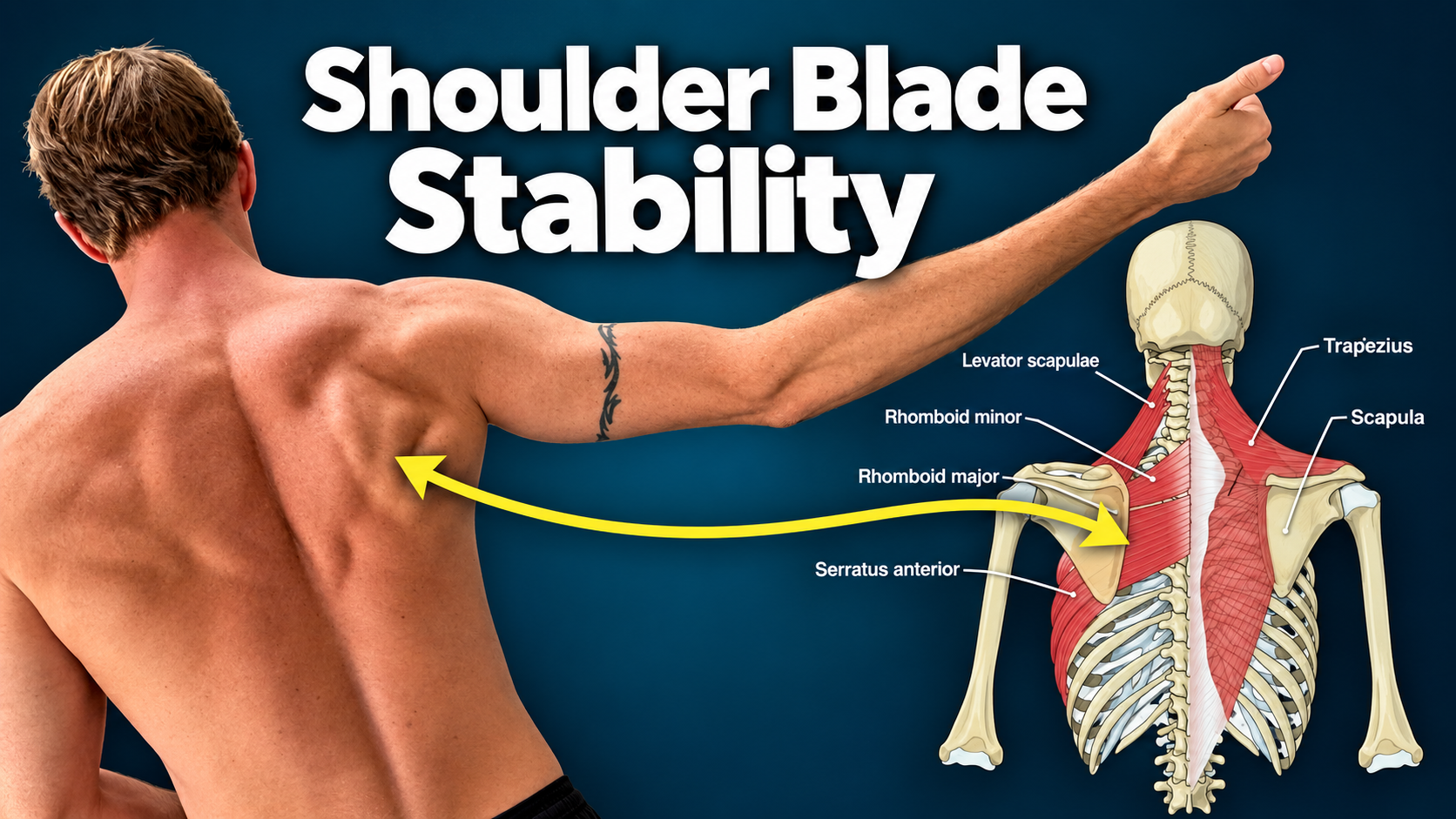
Hey everyone! A new video on exercises to help improve scapular stability and control is available. Here is a link for the video.

https://membership.rehabscience.com/programs/scapular-stability?utm_source=product&utm_medium=share&utm_campaign=content_share&utm_term=4385698&utm_content=mobile