Tom W.

Image for the badge Activation.
Activation earned for a 1-day streak!
Image for the badge Control.
Control earned for a 7-day streak!

Posted

04 May 09:49

Image from Tom W.'s post

Hi everyone, our next office hours session will be this Wednesday at 9am PT. Here is a link to RSVP. I hope to see you there!

https://membership.rehabscience.com/programs/live-tdjv-ogkgoe?category_id=262577&utm_source=product&utm_medium=share&utm_campaign=content_share&utm_term=4178799&utm_content=copy

Replied on Dead Bug

03 May 10:15

Clicking sounds in the absence of pain are not something we worry about as they are quite common.

Reply

Posted

02 May 09:23

00:27

🧠Pain in the muscles along the medial tibial border can occur with posterior shin splints, calf strains, tibialis posterior tendinopathy and arch related issues, like plantar fasciopathy.

šŸ”ŽIf you are having pain in this region, the massage technique shown in this video may be helpful. It is an area I often find myself working when patients present with the conditions mentioned above.

āœ…Besides soft tissue/massage work, make sure to also add the exercises for the calf muscles and tibialis posterior. The shin splints program here in the membership is a good place to start.

30 Apr 13:41

Nice! I’m glad the video was helpful.

30 Apr 09:34

Hey Chris, it is very common to see hip internal rotation mobility deficits in this 90/90 position. A lack of hip internal rotation mobility will also limit squat depth.

In some people, this limitation is due to the structure of their hip socket and doesn’t change much with exercise or stretching.

To improve this mobility deficit, since it is related to the hip joint capsule and surrounding connective tissues, the key is to perform low-load long-duration holds in the restricted positions. This means taking the hip to the point of restriction and just before cramping and then to hold for 2-10 minutes. Joint tissues require long holds to slowly adapt and change. Does that make sense?

Here is a YouTube video where I cover these in more detail.

https://youtu.be/qzwgYHJZBow?si=Dz43OpprQH3bGlPJ

Reply

Posted

29 Apr 08:05

Posted

28 Apr 13:03

00:15

šŸ”ŽWhen the supraspinatus tendon sustains a large or ā€œmassiveā€ tear, the issue isn’t just local tissue damage—it fundamentally alters how the shoulder moves and functions.

🧠The supraspinatus plays a key role in initiating shoulder abduction and, more importantly, in stabilizing the humeral head within the glenoid. When that stabilizing force is compromised, the biomechanics of the shoulder begin to shift.

šŸ‘‰Here’s what typically happens:

• Loss of humeral head controlWithout adequate supraspinatus function, the humeral head tends to migrate superiorly during arm elevation. This reduces the available subacromial space and increases mechanical compression of surrounding structures.

• Deltoid dominance without restraintThe deltoid continues to generate upward force, but without the counterbalance of the rotator cuff, that force becomes less efficient. Instead of producing smooth rotation, it drives excessive superior translation.

• Altered force couplingThe rotator cuff normally works as a coordinated unit. With a massive tear, this balance is disrupted, often leading to compensatory overactivity of the remaining cuff and scapular musculature.

• Functional limitationsPatients often report difficulty with overhead movements, weakness, and in more severe cases, an inability to actively elevate the arm (sometimes referred to as pseudoparalysis).

āœ…Over time, these changes can contribute to chronic dysfunction, pain, and even rotator cuff arthropathy if left unmanaged.

1

Posted

27 Apr 11:23

00:08

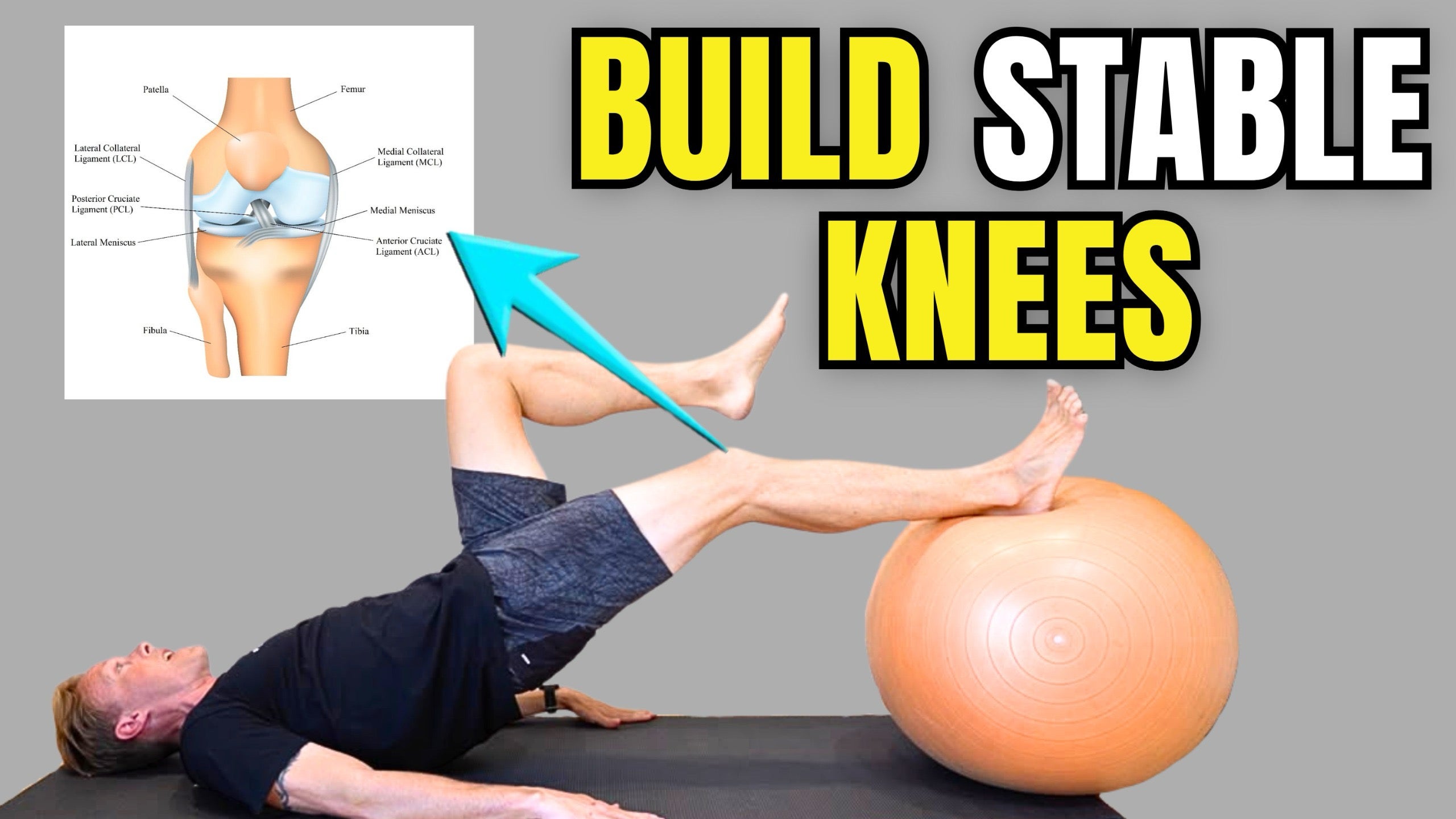
šŸ“šThe ACL connects the femur (thigh bone) to the tibia (shin bone) and runs at an oblique angle from the posterior aspect of the femur to the anterior aspect of the tibia. Due to this arrangement, the ACL is responsible for preventing anterior translation of the tibia or posterior translation of the femur.

🧠In the anterior drawer test, which is being demonstrated in the first video, the examiner attempts to pull the tibia anteriorly. If the ACL is compromised, the tibia will translate forward farther than it normally should.

āœ…Here in the app you will find a comprehensive rehabilitation program for knee ligament injuries, which can be found under the knee section. Here is a link for that program.

https://membership.rehabscience.com/programs/knee-ligament-injury?utm_source=product&utm_medium=share&utm_campaign=content_share&utm_term=3776140&utm_content=mobile

Posted

23 Apr 13:51

23 Apr 07:32

Here is a link for this tool:Ā https://amzn.to/4vMJdDI