Tom W.

Image for the badge Activation.
Activation earned for a 1-day streak!
Image for the badge Control.
Control earned for a 7-day streak!

Thank you for listening, Brandon! I hope the information on all of the factors that can influence pain was helpful.

Posted

11 Mar 12:26

Image from Tom W.'s post

I interviewed pain psychologist, Dr. Rachel Zoffness, PhD, on my podcast earlier this week and I really think you would enjoying learning more from her about how our thoughts and emotions can influence pain. Whether you are a practitioner or someone suffering from pain, Dr. Zoffness shares so many incredible insights and strategies to think about in your own life.

Here is a link for the episode, which you can find in the new 'Podcasts' section here in the membership.

https://membership.rehabscience.com/programs/riverside-tom-rachel?category_id=278870&utm_source=product&utm_medium=share&utm_campaign=content_share&utm_term=4089613&utm_content=copy

1

Posted

11 Mar 12:07

Hi Stephanie,

These are great questions. In terms of whether or not therapy is working, usually the most obvious observation would be that your symptoms are lessening. This could be that they are lessening in intensity or the symptoms are more difficult to trigger. It is very common for pain to be better one day and then to feel a setback the next day. The key is that you have a positive trend over a longer period such as several weeks or months.

In terms of moving from one phase to the next, you do not necessarily need to spend the number of weeks I listed in the program. These are just general guidelines. In many cases, people may spend longer in a particular phase or move through a phase quickly if they don’t have pain with the movements and are able to complete all of the exercises with good control and full range of motion. If you can complete all the exercises in a particular phase with minimal or no pain and full range of motion, then you can likely move onto the next phase.

Reply

Posted

09 Mar 07:51

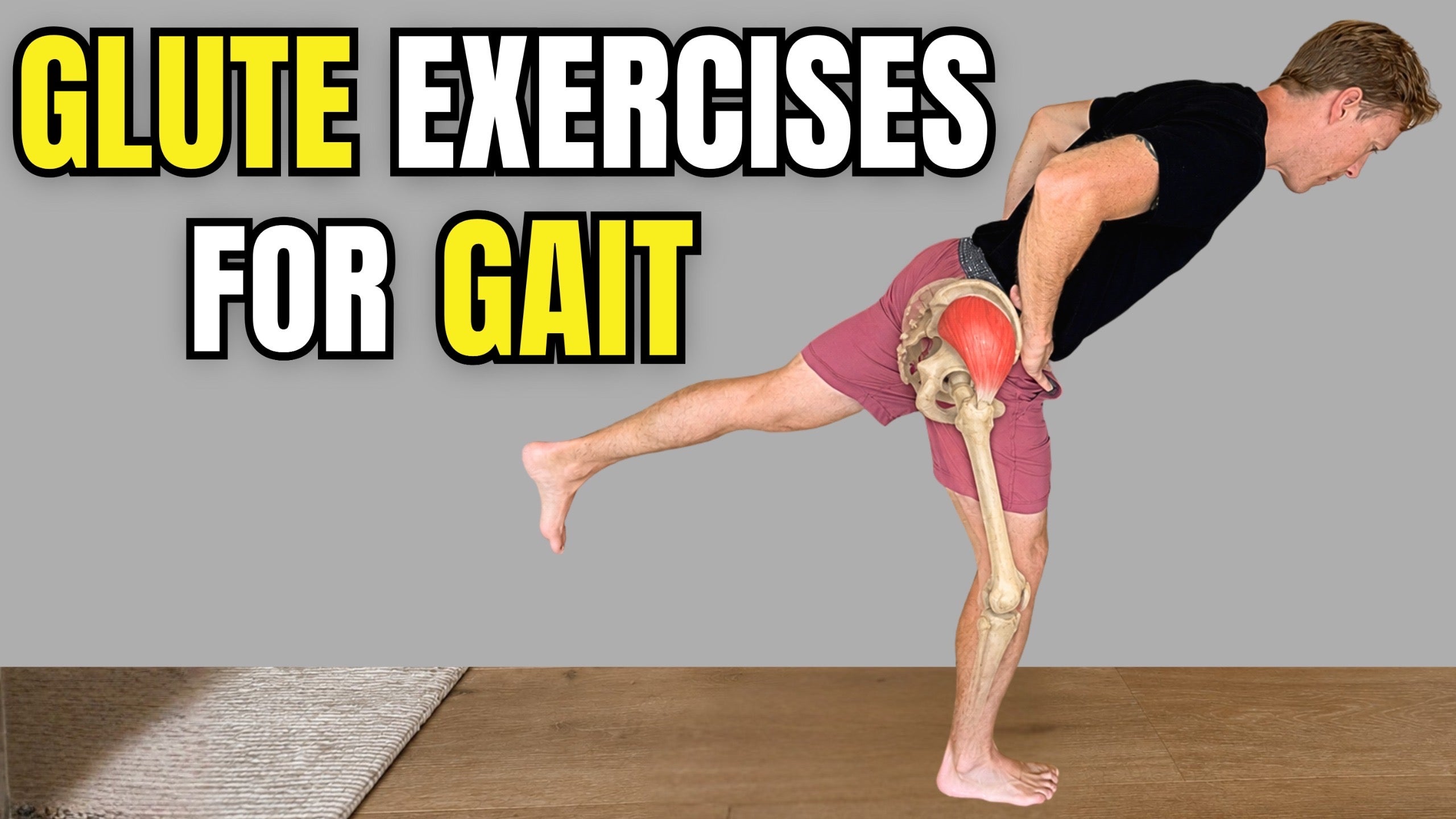
Image from Tom W.'s post

Here is the link for this week's office hours session. If you aren't able to attend and have a question, please feel free to comment on this post or send my a private message at any time. 

https://membership.rehabscience.com/programs/live-zwykylmcpxq?category_id=262577&utm_source=product&utm_medium=share&utm_campaign=content_share&utm_term=4085264&utm_content=copy

4

Posted

06 Mar 07:30

01:00

📚The median nerve begins at the neck, like our other peripheral nerves of the upper extremity, and receives contributions from many nerve roots (C5-T1). The nerve then courses down the arm, giving sensation to the palm side of the hand, the thumb, index, middle and the lateral half of the ring finger. It also provides motor input to most of the muscles that move our wrist and fingers into flexion (imagine making a fist).

🔎In terms of pathology, most of us would think of carpal tunnel syndrome when discussing the median nerve. The median nerve is the only nerve that passes through the carpal tunnel, which is the most common site for developing a compression neuropathy in the human body. Besides carpal tunnel syndrome, some people with general neck pain find this mobilization to be helpful.

1️⃣The exercise shown here is a ‘slider’ mobilization for the median nerve, which is intended to help it move (10–15 reps, perform several times each day).

✅The carpal tunnel syndrome program here in the app, will teach you more exercises for the median nerve.

Posted

05 Mar 08:50

Stephanie Dzvonick Those two programs (glute tendon pain and hamstring pain) are typically fine to do at the same time. 

Reply

You’re welcome! In many cases, it is okay to do two different programs at the same time. However, there are situations where exercises for one condition can aggravate another condition. Can you let me know which two programs you are referring to?

Reply

Posted

04 Mar 07:51

00:40

📚The hamstrings are a group of three muscles located at the back of the thigh, responsible for knee flexion and hip extension. 

🔎The medial hamstrings include the semitendinosus and semimembranosus, which run along the inner portion of the thigh. These muscles originate from the ischial tuberosity of the pelvis and insert on the tibia, contributing to knee flexion, internal rotation of the leg, and hip extension.

🧠The biceps femoris, the lateral hamstring muscle, has two heads: a long head that originates from the ischial tuberosity and a short head that originates from the femur. Both heads insert on the fibula, making this muscle unique from the medial hamstrings. The biceps femoris is primarily responsible for knee flexion and external rotation of the leg, with the long head also contributing to hip extension.

✅Strengthening both the medial and lateral hamstrings is crucial for knee stability and overall lower-body function. In the hip and knee sections here in the app, you will find a hamstring rehab program.

5