


Tom W.

Image for the badge Activation.
Activation earned for a 1-day streak!
Image for the badge Control.
Control earned for a 7-day streak!

AmirIzadi if you read through the sections related to each knee condition covered in my book, you will have a better idea of how to differentiate between the most common conditions.

Posted

26 Jun 06:38

00:19

🔎Here is a great dissection that shows how the gastrocnemius and soleus muscles blend into the Achilles tendon and how the tendon is influenced by ankle movement.

🧠During ankle dorsiflexion, we see how the Achilles tendon and calf muscles are put on tension. Then, when the ankle moves into plantarflexion, the tendon and muscles are put on slack.

✅If you are suffering from Achilles tendon issues or a calf strain, I would recommend following the calf and Achilles pain program here in the app. Here is a link for the program.

https://membership.rehabscience.com/programs/achilles-tendinopathy?category_id=261017
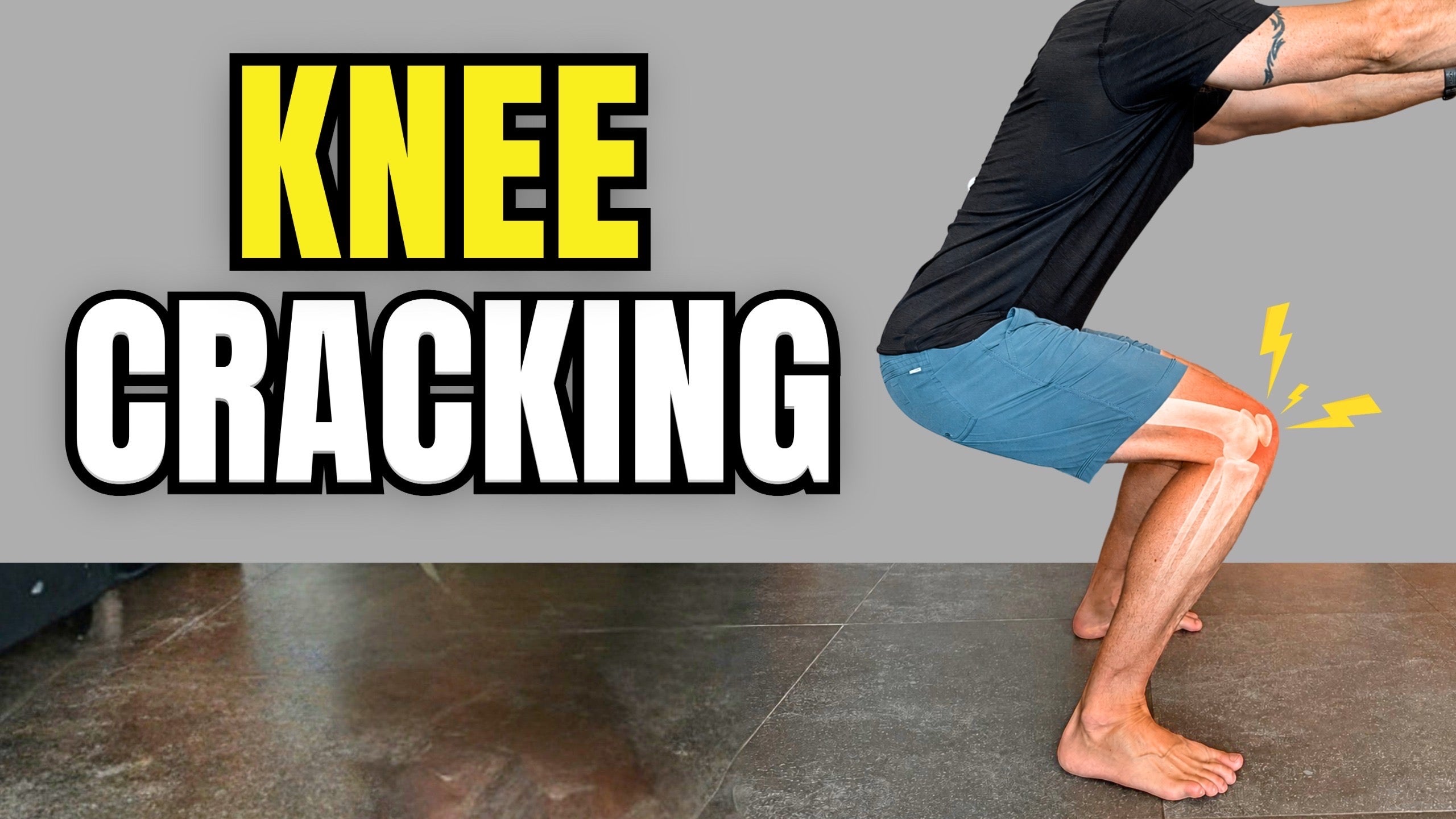
It would be difficult for me to explain all of this here in a comment. I have broken all of these details down in the knee chapter in my book. Do you have a copy of my book?

Hey Brandon, you’re welcome! I hope these exercises help with your knee pain. If you need more exercises for patellofemoral joint pain, you can find a program under the knee section here in the app.

Posted

24 Jun 12:31

Posted

23 Jun 07:10

00:27

📚Cervicogenic headache describes a form of headache that originates from the upper cervical spine and refers to regions of the head and/or face. Tissues that are thought to contribute to the development of this type of headache include muscles, ligaments, joints and discs in the region between the skull and C1-3 vertebrae.

🔎Symptoms are usually unilateral (on one side) and provoked with movement of the neck and palpation of the upper cervical spine. Other associated findings include weakness of the deep neck flexors and trigger points in the upper trapezius, levator, scalenes and suboccipitals.

✅These are just a few of the exercises that would be prescribed in physical therapy. A comprehensive program that guides you through the stages of healing can be found here in the app. Click the link at the bottom of this post to see this program.

1️⃣Suboccipital Ball Massage: Place a ball just below the base of the skull on any tender spots in the region of the suboccipital region.

2️⃣Upper Cervical Motor Control: The nodding motion shown here results from flexion and extension of the upper cervical spinal joints. This exercise is designed to teach the nervous system how to move this upper region of the neck without moving the lower portion of the neck.

3️⃣Neck Flexor Curls: Because deep neck flexor weakness can be associated with cervicogenic headache symptoms, an exercise that trains these muscles with higher loads may be appropriate. Tuck your chin and lift the head from the floor. Move slowly and perform 2-3 sets of 8-12 reps.

https://membership.rehabscience.com/programs/headache-pain?category_id=260344

Posted

21 Jun 22:56

00:20

📚During inspiration, our ribs lift and the ribcage expands allowing the lungs to fill with air. Interestingly, our ribs lift through different movement patterns depending on which portion of the ribcage you are examining.

1️⃣In the upper ribs (ribs 1-6), the pump handle motion is seen. As these ribs elevate, the front of the rib cage and sternum move upward and forward, increasing the front-to-back diameter of the chest.

2️⃣With ribs 7-10, The bucket handle motion is seen. As these ribs lift, they move more out to the sides, increasing the side-to-side width of the rib cage.

3️⃣Lastly, ribs 11-12 (floating ribs) do not attach to the sternum (breastbone) and move through a caliper motion. These ribs swing laterally outward like the opening of a caliper to help increase the width of the lower thorax.

✅Together, these motions help the thorax expand in multiple directions during inhalation. If rib cage or thoracic spine mobility is limited, breathing mechanics can become less efficient and nearby areas like the neck, upper back, and trunk may end up compensating.

👉If you have rib or thoracic spine issues, I would recommend starting with the exercises in the thoracic and rib pain program here in the app. Here is a link for that program.

https://membership.rehabscience.com/programs/thoracic-pain?category_id=259689

Posted

19 Jun 05:40

00:31

👉Shoulder internal rotation is an important movement that allows you to reach behind your back, across your body, and perform countless daily and athletic tasks. 

🔎Whether it’s tucking in a shirt, fastening a bra, reaching into a back pocket, or following through in a throwing motion, adequate internal rotation mobility is essential in many areas of life. 

🧠When this range of motion is limited, it can contribute to shoulder pain, impingement, and functional limitations. This video shows three exercises that can help improve your shoulder internal rotation mobility.

1️⃣Sleeper Stretch

2️⃣Prone Behind-the-Back Reach

3️⃣Prone Lift-Off

✅If you’ve noticed difficulty reaching behind your back, discomfort with overhead sports, or limitations during daily activities, adding these exercises to your routine may help restore healthy shoulder motion and function.

Sure thing, Stephanie! I hope the exercises in this video are helpful. Sorry to hear both of your feet are giving you trouble.

Reply

17 Jun 06:16

The video is above the text.