Tom W.

Image for the badge Activation.
Activation earned for a 1-day streak!
Image for the badge Control.
Control earned for a 7-day streak!

Posted

14 Jan 10:06

Image from Tom W.'s post

Hi all,

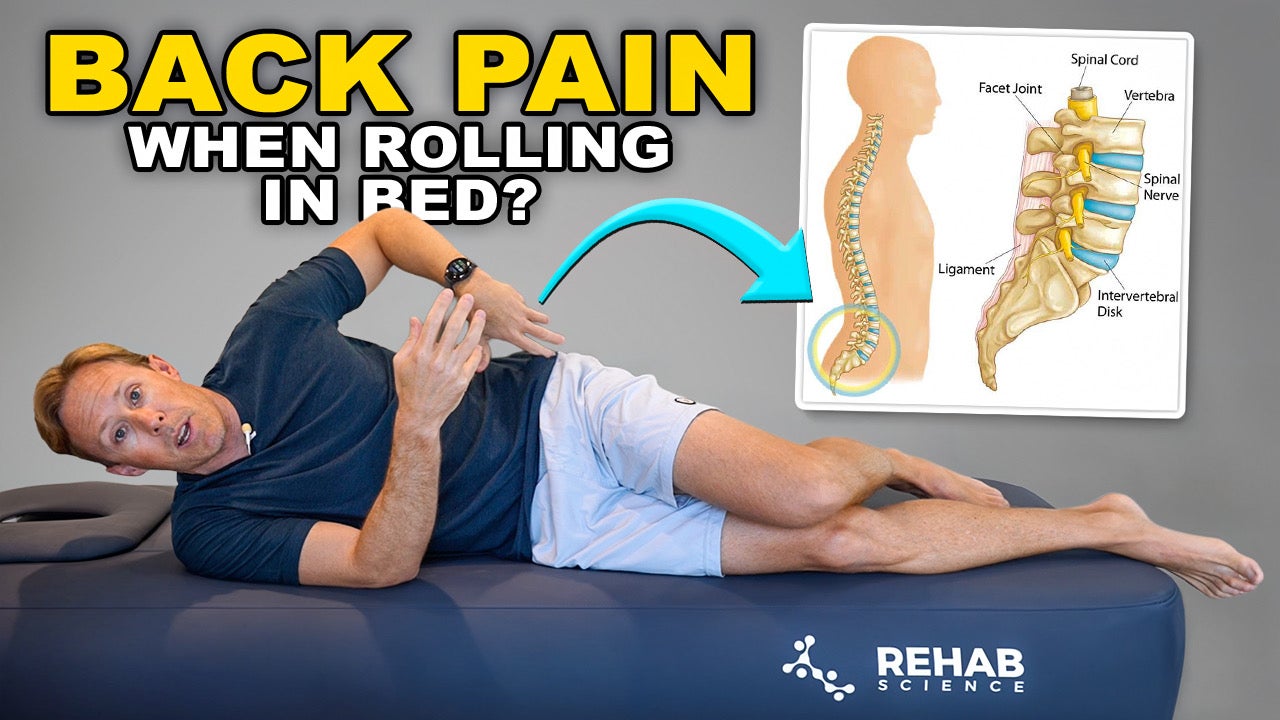
I uploaded a new video on exercises that can help with back pain associated with rolling in bed or getting out of bed. Here is a link for the video.


https://membership.rehabscience.com/programs/back-pain-rolling?utm_source=product&utm_medium=share&utm_campaign=content_share&utm_term=3981518&utm_content=mobile

Posted

13 Jan 11:46

Image from Tom W.'s post

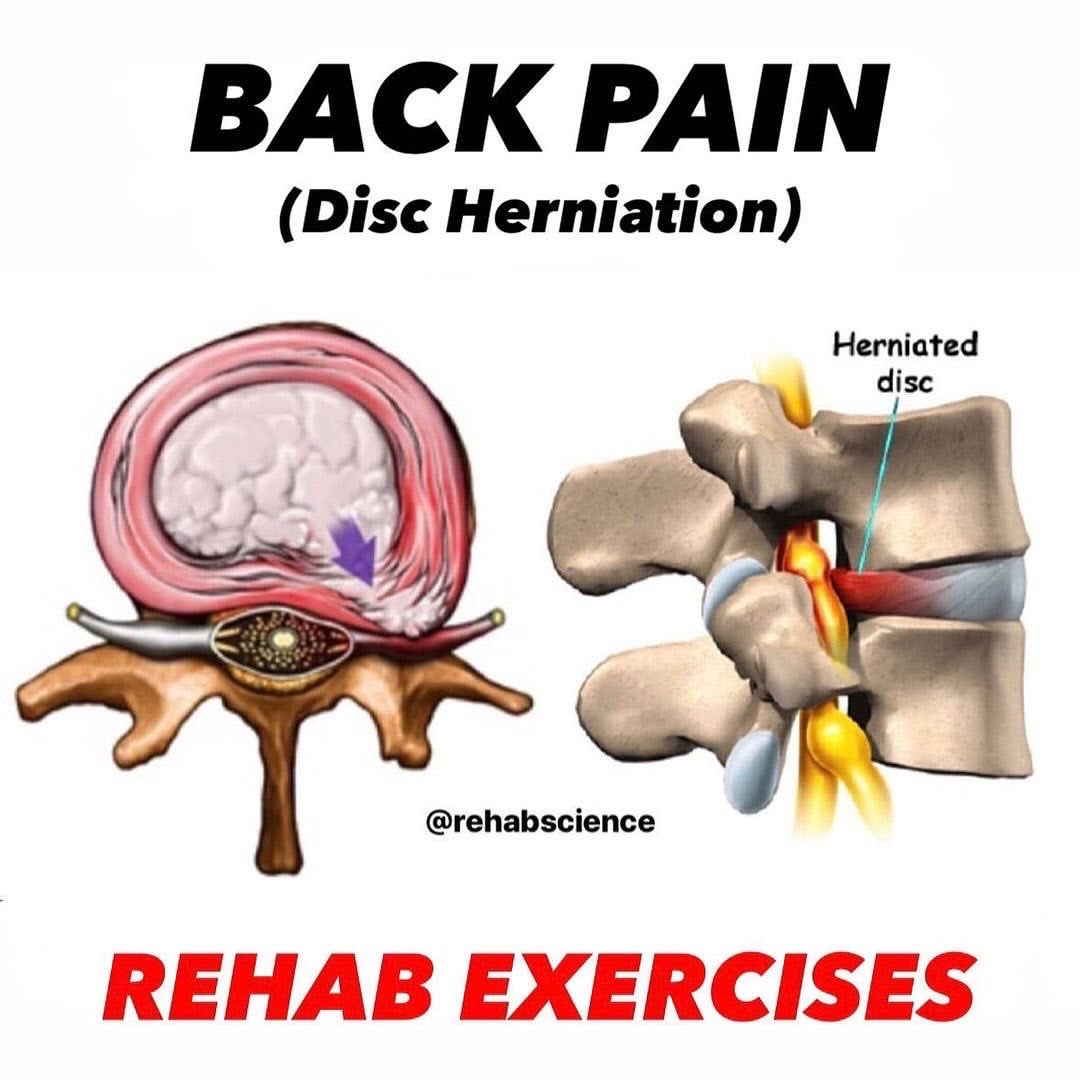
📚Lumbar disc herniations occur when the soft, gel-like center (nucleus pulposus) of a spinal disc in the lower back bulges or leaks through a tear in the tougher outer layer (annulus fibrosus).

🔎When a disc herniates, it may irritate or even mechanically compress nearby nerves, causing pain, numbness, or weakness in the lower back, legs, and sometimes feet. The severity of symptoms varies, with some individuals experiencing mild discomfort, while others suffer from significant neurological deficits depending on the location and extent of the herniation.

🧠It’s important to note that many of us with no pain (asymptomatic) actually have degenerative disc changes and disc herniations that would be visible on an MRI. Furthermore, many disc herniations heal and reabsorb without surgery.

✅If you or one of your clients are suffering from a lumbar disc herniation or disc bulge, I would encourage you to implement the exercise exercises in the nerve pain program here in the membership. Here is a link for that program.

https://membership.rehabscience.com/programs/sciatica?category_id=259689

Posted

11 Jan 15:04

Today's Instagram post was a video from Seattle Science Foundation that looked at the three primary ligaments that stabilize the lateral aspect of the ankle joint, which include: the anterior talofibular ligament (ATFL), calcaneofibular ligament (CFL), and posterior talofibular ligament (PTFL). 

Together, these structures resist excessive inversion and internal rotation of the talus, particularly during weight-bearing and rapid changes in direction.

In an inversion ankle sprain, the ATFL is most commonly injured first due to its orientation and role in stabilizing the ankle in plantarflexion, followed by the CFL with more severe forces. Understanding this ligamentous anatomy helps guide rehabilitation, emphasizing progressive loading, proprioception, and restoring control through ranges where these ligaments are most stressed. 

If you have suffered an ankle sprain or are working with someone who has, I would recommend following the ankle sprain program here in the membership. Here is a link for that program:

https://membership.rehabscience.com/programs/ankle-sprain?category_id=261017&utm_source=product&utm_medium=share&utm_campaign=content_share&utm_term=3805466&utm_content=copy

Hi Brandon! I would love to have you join an office hours session at some point if you can make it work with your work schedule.

Hi Moira,

I totally understand. These are very early for you. I will try to schedule another office hours session at some point that is later in the day.

Posted

09 Jan 14:00

Image from Tom W.'s post

Hi all,

Next week's live office hours session will be on Thursday at 9am PT rather than Wednesday. Please use the link below to RSVP for the live session.

https://membership.rehabscience.com/programs/live-y4nwvwuzou4?category_id=262577&utm_source=product&utm_medium=share&utm_campaign=content_share&utm_term=3977960&utm_content=copy

4

You can share the link from the video with her and she can watch it without subscribing to the app.

Reply

Sure thing! I hope these exercises help her.

Reply

Here are research studies related to what I am recommending in this video.

Bae S, Lee S, Park H, et al. Position Statement: Exercise Guidelines for Osteoporosis Management and Fall Prevention in Osteoporosis Patients. J Bone Metab. 2023;30(2):149-165. doi:10.11005/jbm.2023.30.2.149. 

Brooke-Wavell K, Skelton DA, Barker KL, et al. Strong, steady and straight: UK consensus statement on physical activity and exercise for osteoporosis. Br J Sports Med. 2022;56(15):837-846. doi:10.1136/bjsports-2021-104634. 

Zhao F, et al. Optimal resistance training parameters for improving bone mineral density in postmenopausal women: a meta-analysis. [Journal/Source as indexed in PMC]. 2025. 

Florence GE, Oosthuyse T, Bosch AN. Skeletal site-specific effects of jump training on bone mineral density in adults: a systematic review and meta-analysis. J Sports Sci. 2023;41(23):2063-2076. doi:10.1080/02640414.2024.2312052. 

Watson SL, Weeks BK, Weis LJ, Harding AT, Horan SA, Beck BR. High-Intensity Resistance and Impact Training Improves Bone Mineral Density and Physical Function in Postmenopausal Women With Osteopenia and Osteoporosis: The LIFTMOR Randomized Controlled Trial. J Bone Miner Res. 2018;33(2):211-220. doi:10.1002/jbmr.3284. 

Xiaoya L, et al. Effect of different types of exercise on bone mineral density in postmenopausal women: a network meta-analysis. Sci Rep. 2025.

Posted

08 Jan 12:04

Image from Tom W.'s post

Hi everyone!

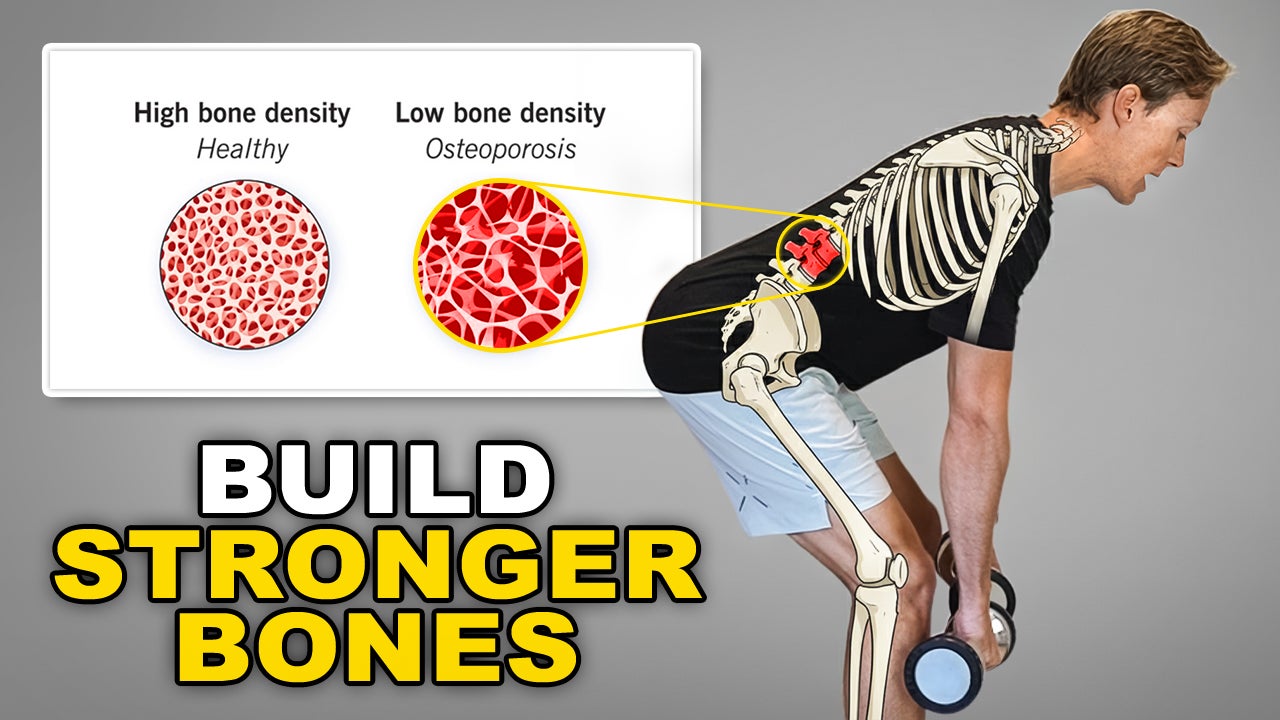
I published a new video this morning on research and exercises that can help improve bone density. Here is a link for the video.

https://membership.rehabscience.com/programs/bone-density?category_id=267144&utm_source=product&utm_medium=share&utm_campaign=content_share&utm_term=3973720&utm_content=copy

4